EXPLORE THE ECOSYSTEM
Audio
Speech recognition and voice interfaces in the open ecosystem.
10 articlesNewest announcements first
QVAC's 254M-parameter TranscribePsy release targets offline speech recognition across European languages, with separate broad-coverage, focused, GGUF, and Core ML builds. Here is how to interpret its benchmarks and evaluate it for a real product.
NVIDIA’s air-traffic-control study offers a useful blueprint for adapting speech recognition without losing sight of data roles, general-language retention, and honest checkpoint selection.
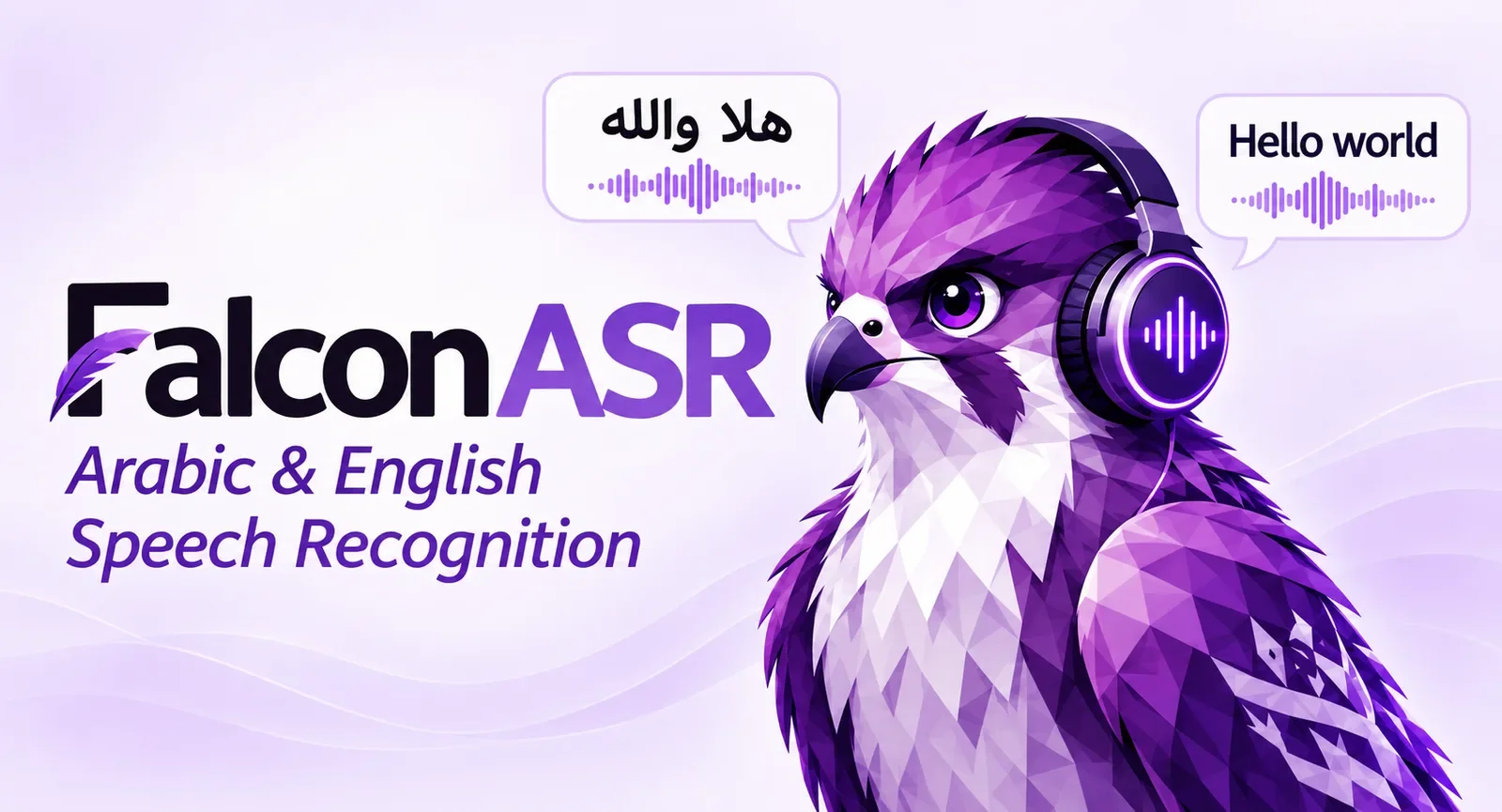
TII's 1.6B-parameter Falcon-ASR targets Arabic speech, especially Emirati, while sharing one set of weights across five languages. Its reported results are promising, but deployment decisions still require tests on real accents, audio conditions, and workflows.
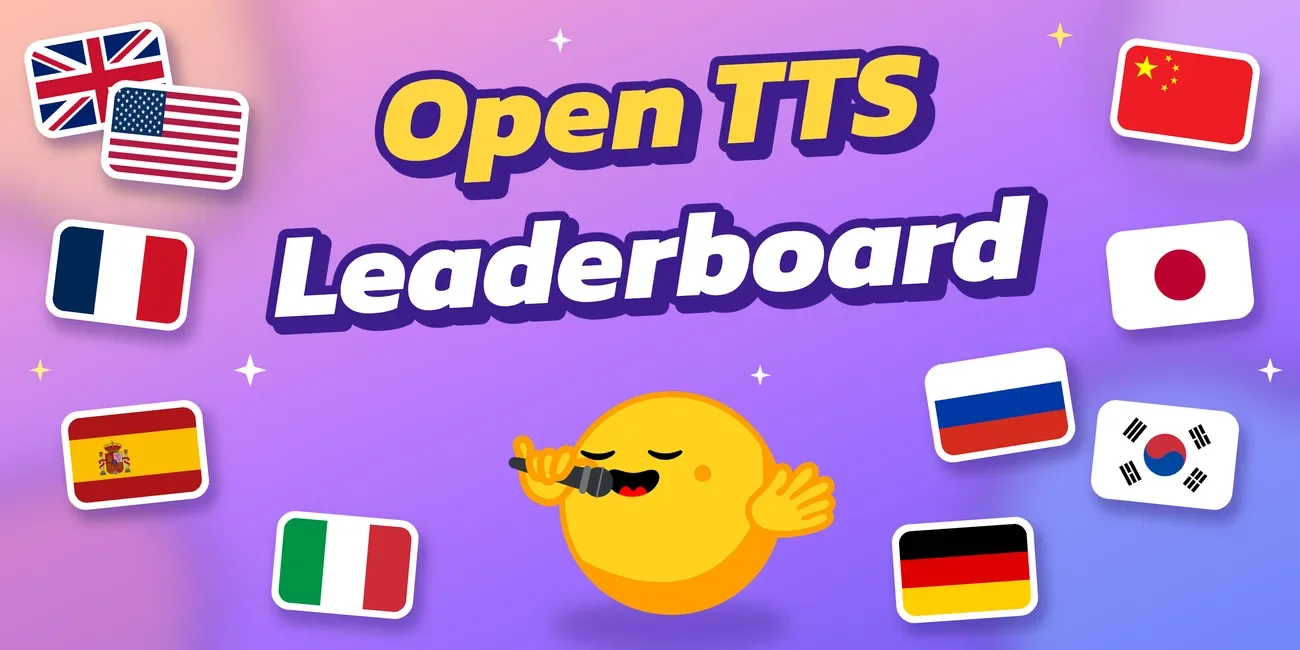
The Open TTS Leaderboard brings reproducible multilingual, voice-cloning, and latency measurements to open text-to-speech models. Its real value is not a universal winner, but a structured way to build a shortlist for a specific product and then validate it with listening tests.
NVIDIA’s 100M-parameter Nemotron 3 Diarization model supports offline and streaming processing for as many as eight speakers. Its release also shows why teams must evaluate attribution, latency and transcription as separate concerns.

Open Yap 1K focuses on overlapping, dual-channel conversation. Its release highlights why turn timing, speaker separation and dataset access terms matter alongside transcript accuracy.

The Monsoon evaluation sets broaden language coverage and make it possible to investigate differences hidden by an overall error rate.

Speech-recognition evaluation needs to distinguish faithful listening from patterns learned around a familiar benchmark.

Multilingual and long-form tracks made the evaluation more relevant to real transcription workloads.

Python developers get a communication layer for live audio and video applications.
 Article·5 min