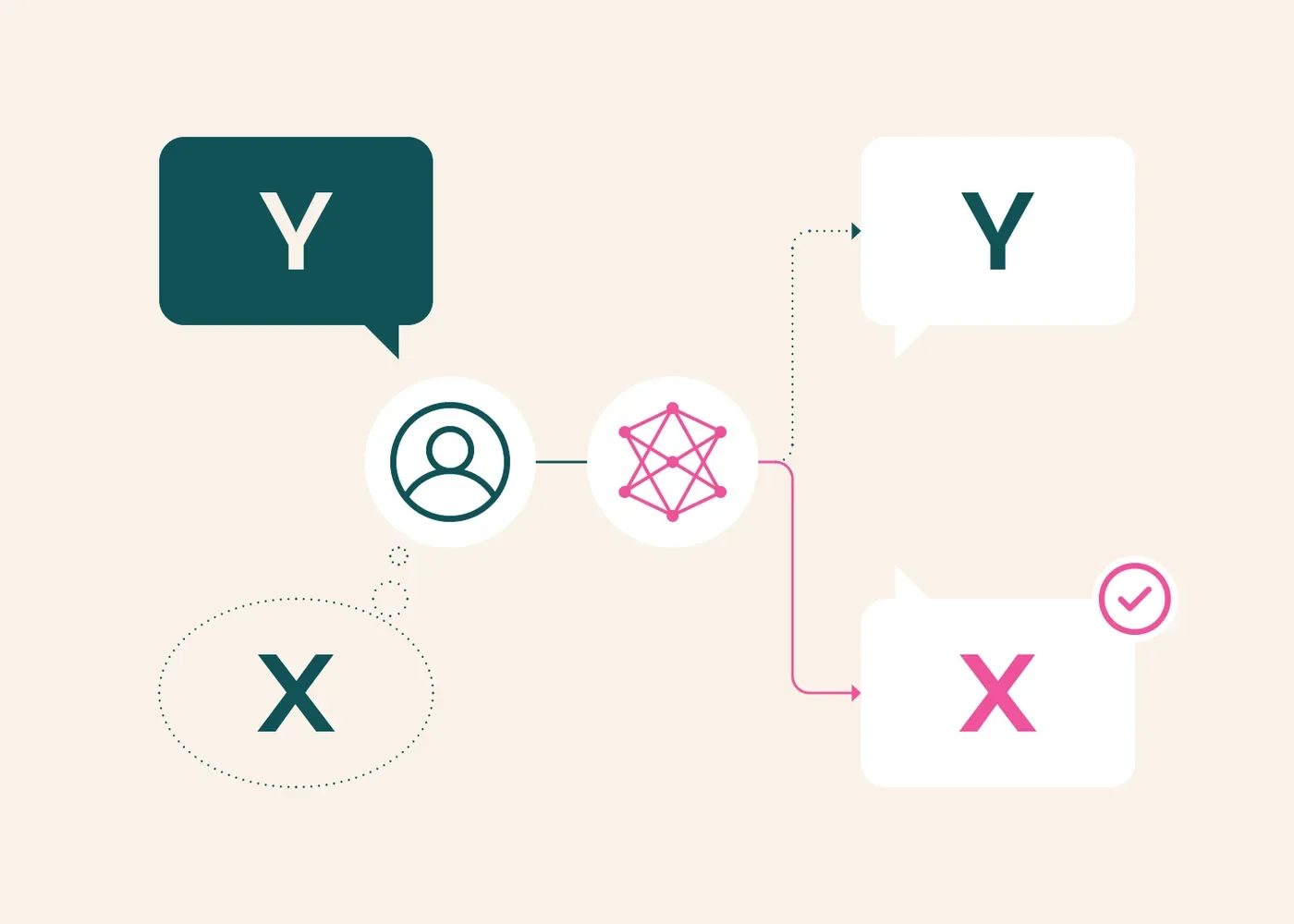
Ai2's XYBench evaluates whether assistants can detect a mistaken premise, redirect attention to the user's underlying goal, and emphasize the advice that is most likely to help.
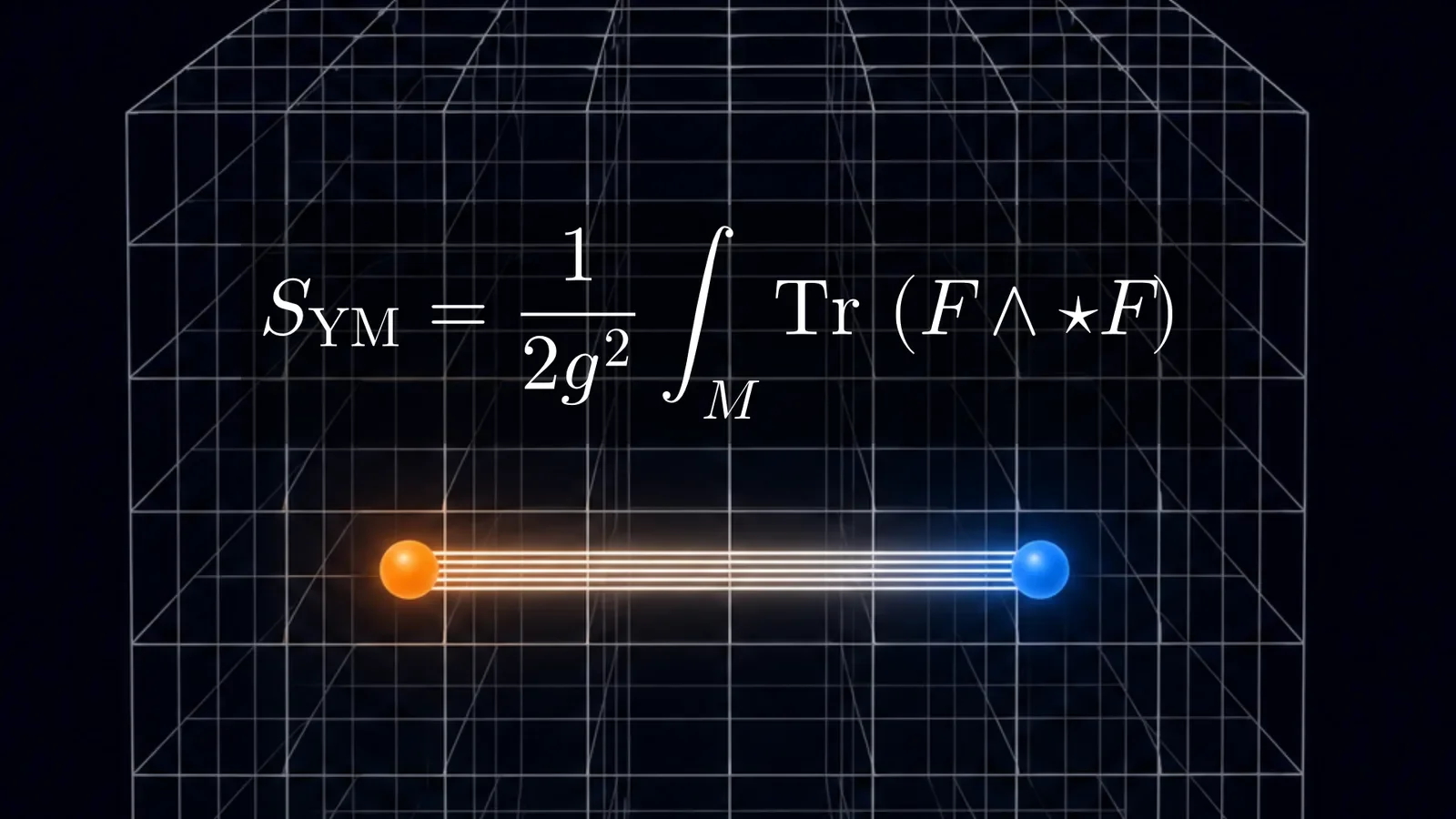
A reported Lean-checked construction advances the existence side of four-dimensional Yang–Mills theory, while leaving universality, uniqueness, and the celebrated mass-gap question unresolved.
llama.cpp and ggml have reached 1.0 with explicit semantic-versioning rules for their public C interfaces. The milestone gives local-AI integrators a clearer way to manage upgrades, packaging, and compatibility risk.
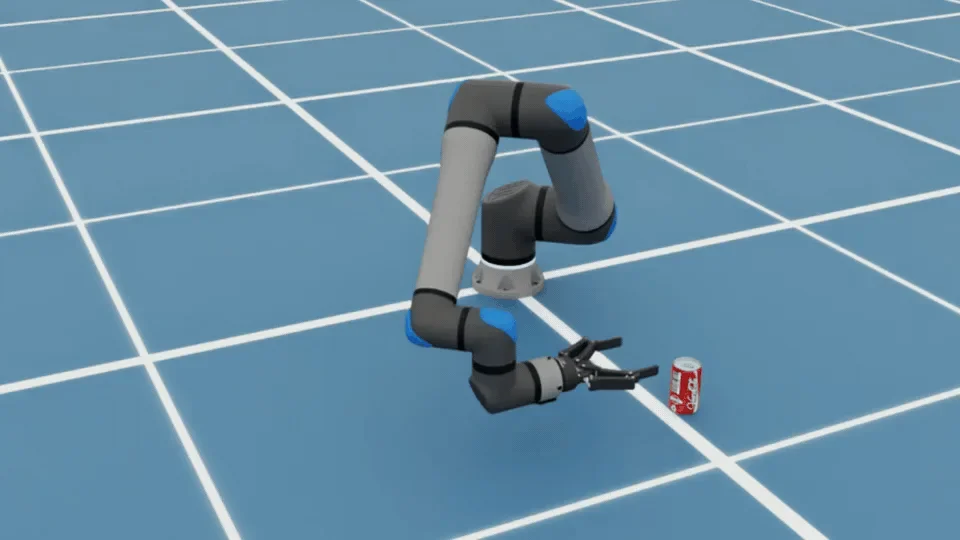
NVIDIA’s SimReady pick-and-place walkthrough shows how validated OpenUSD assets can reduce scene setup work in Isaac Sim—but reliable robotics evaluation still depends on testing the complete controller, contacts, and task assumptions.
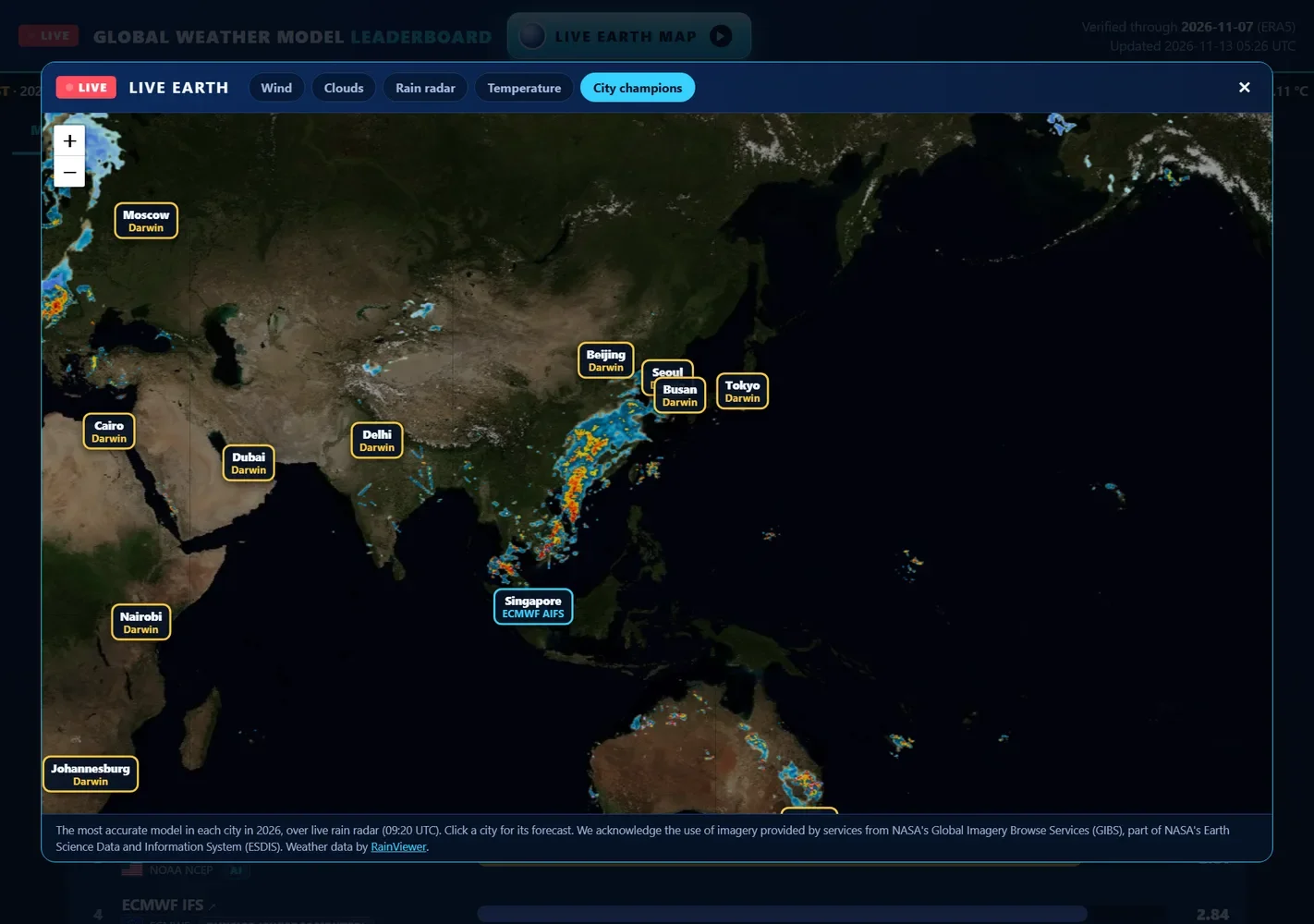
FINAL-Bench compares physics, AI, and fused weather forecasts against a common reference each day. Its public record is useful, but interpreting a winner requires attention to coverage, verification data, metrics, and independence.
IBM's experimental Granite 4.1 LLMON models separate instructions, data, and requirements with model-native markup. The useful question is not whether the format replaces JSON, but whether explicit authority links improve reliability under realistic adversarial evaluation.
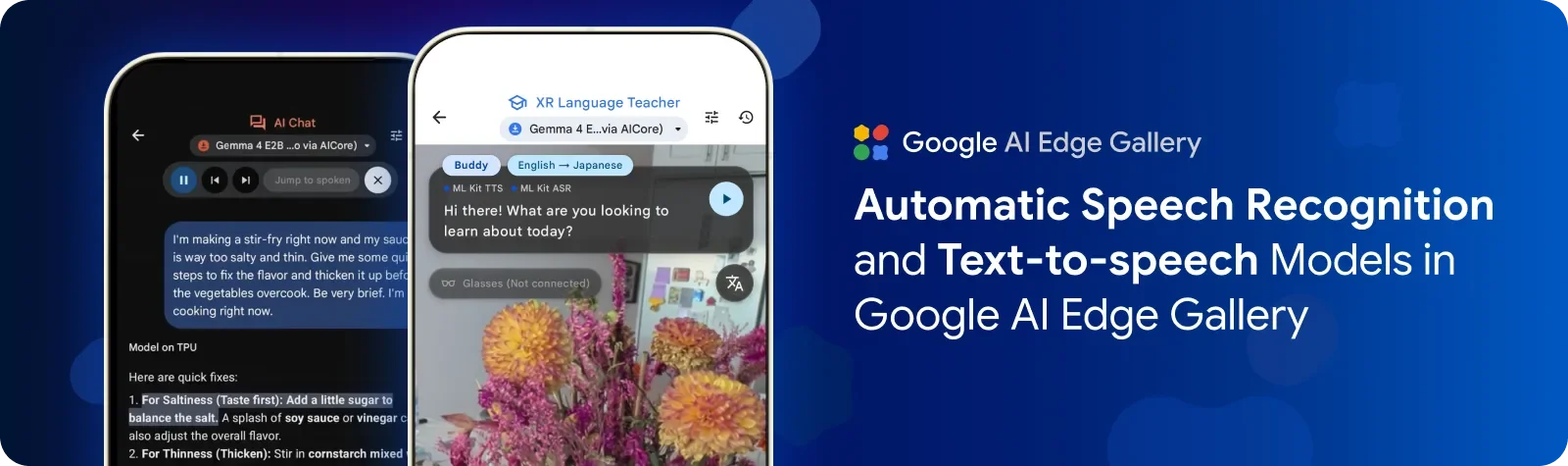
Google AI Edge Gallery's new local speech features offer a useful reference architecture for combining streaming recognition, small language models, and speech synthesis without making the network part of every interaction.
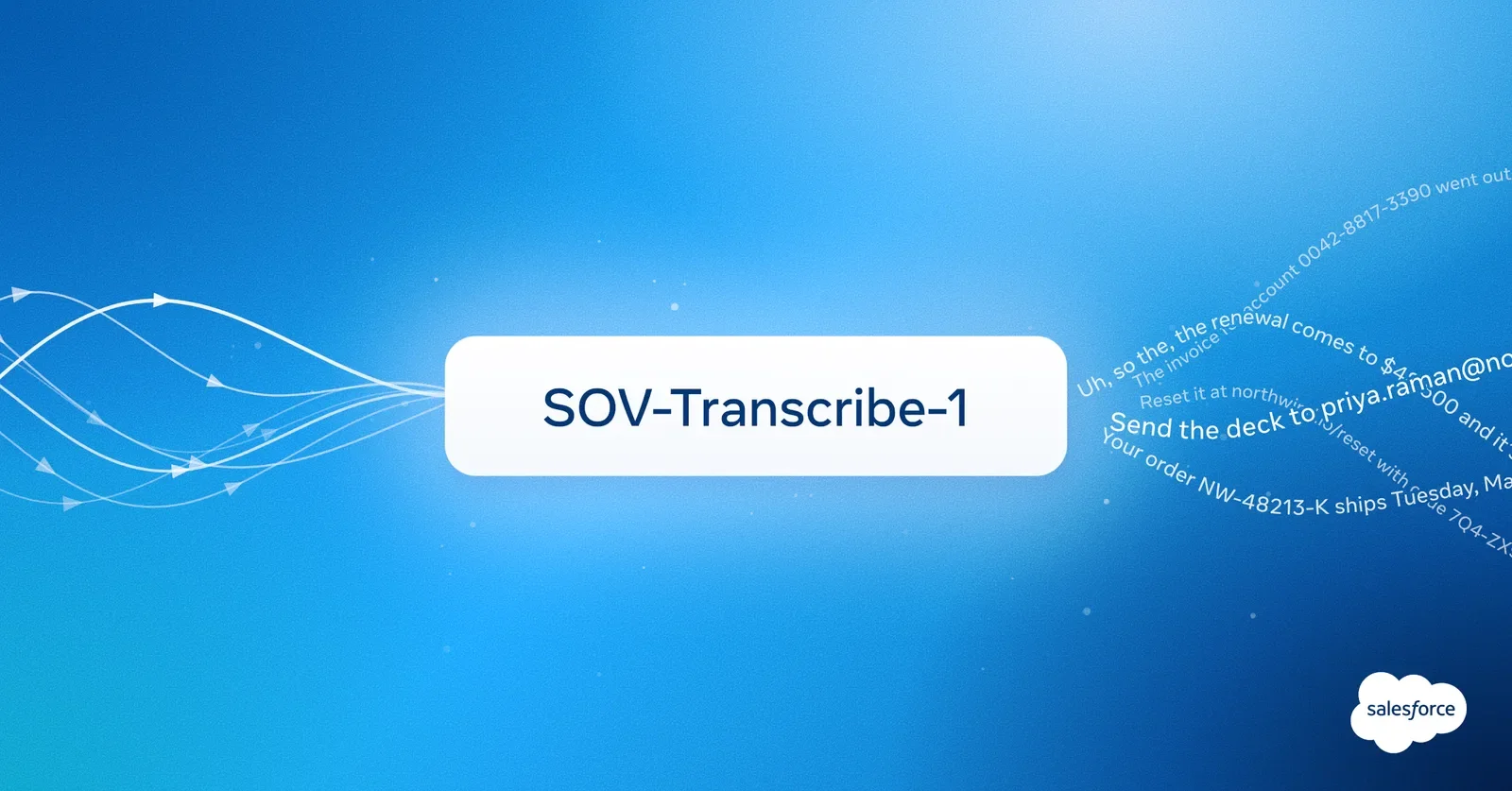
Salesforce's new open-weight ASR model combines non-streaming transcription with instruction-driven formatting and contextual hints, highlighting why deployment control and task-specific evaluation matter as much as headline word error rate.
ZONOS3-Mini brings an open, multilingual voice-cloning model to several local runtimes. Its release also shows why teams should evaluate control, latency, consent and failure recovery together.
Token pooling cuts the number of document vectors in late-interaction retrieval. A new Sentence Transformers workflow makes that compression part of training, helping models preserve ranking quality at practical storage budgets.
Article·5 min
Explore releases and guides from 2024 onward. Dates refer to the original announcements; each article also shows when our coverage was published. How we cover the ecosystem ↗
 Article·5 min