EXPLORE THE ECOSYSTEM
Agents
Useful tools, memory, and better workflows for AI agents.
17 articlesNewest announcements first
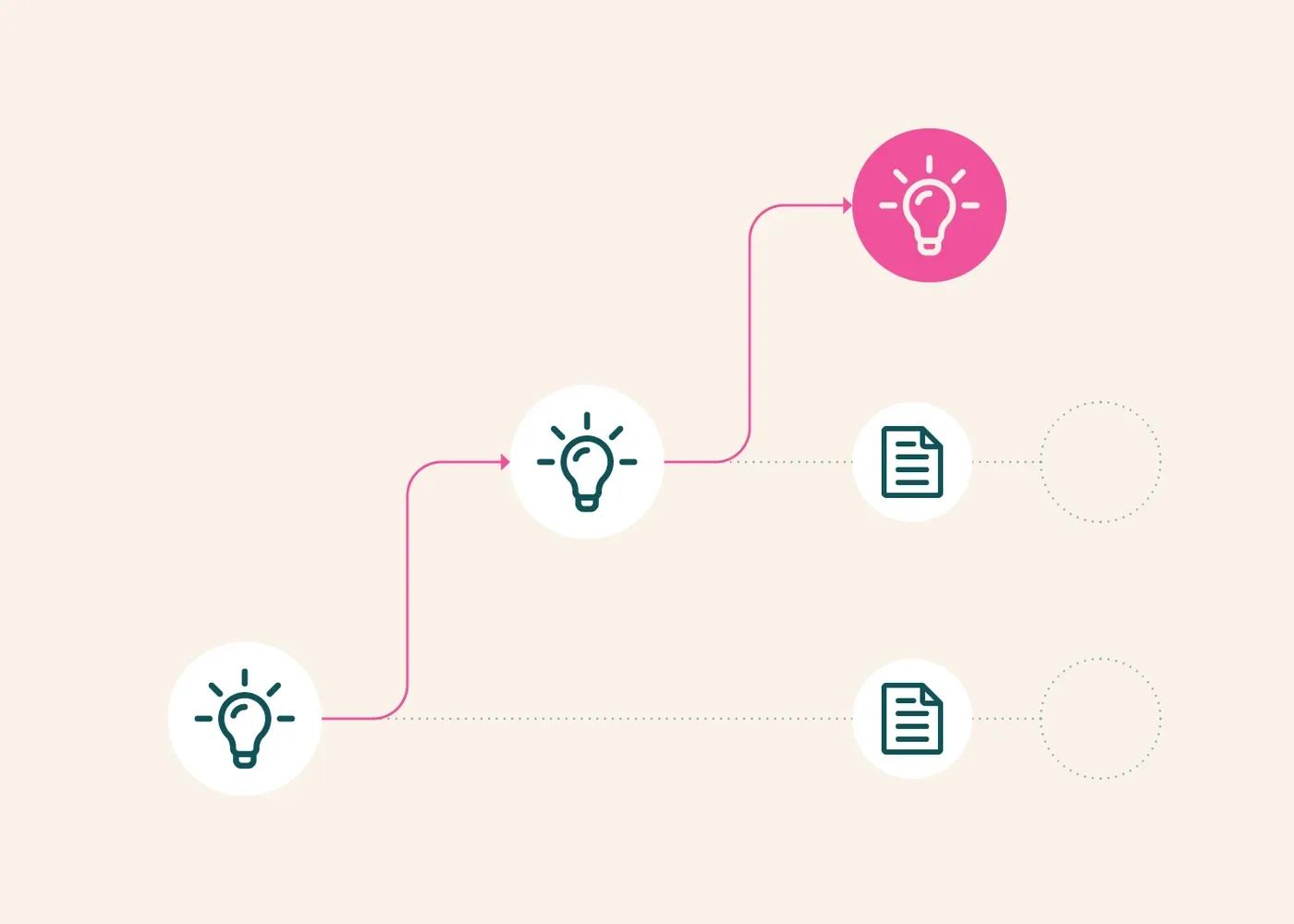
Ai2's LitPivot organizes papers around the problem, contribution, or evaluation being revised, then links critiques and suggested changes to researcher-selected evidence.
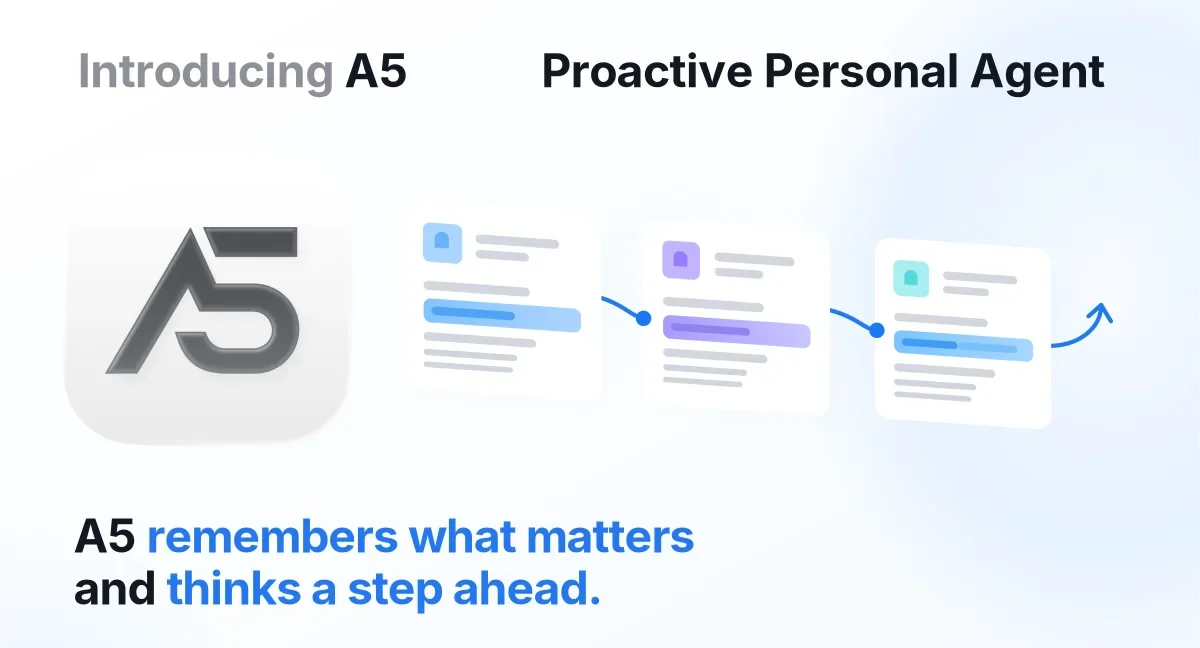
A5 presents a personal-agent harness built for work that spans conversations. Its design connects persistent context, memory maintenance, workspace change detection, and user-approved proposals—but also highlights why provenance, permission boundaries, and silence are core product requirements.

ColGrep-Agent-2B moves repository exploration to a small local model. Its reported benchmark highlights a useful design pattern—and the accuracy, latency and evaluation questions teams should examine before adopting it.

ThinkingBox evaluates whether an AI agent leaves business systems in the required final state, then repeats each workflow to expose inconsistency. Here is how that changes agent testing and deployment decisions.
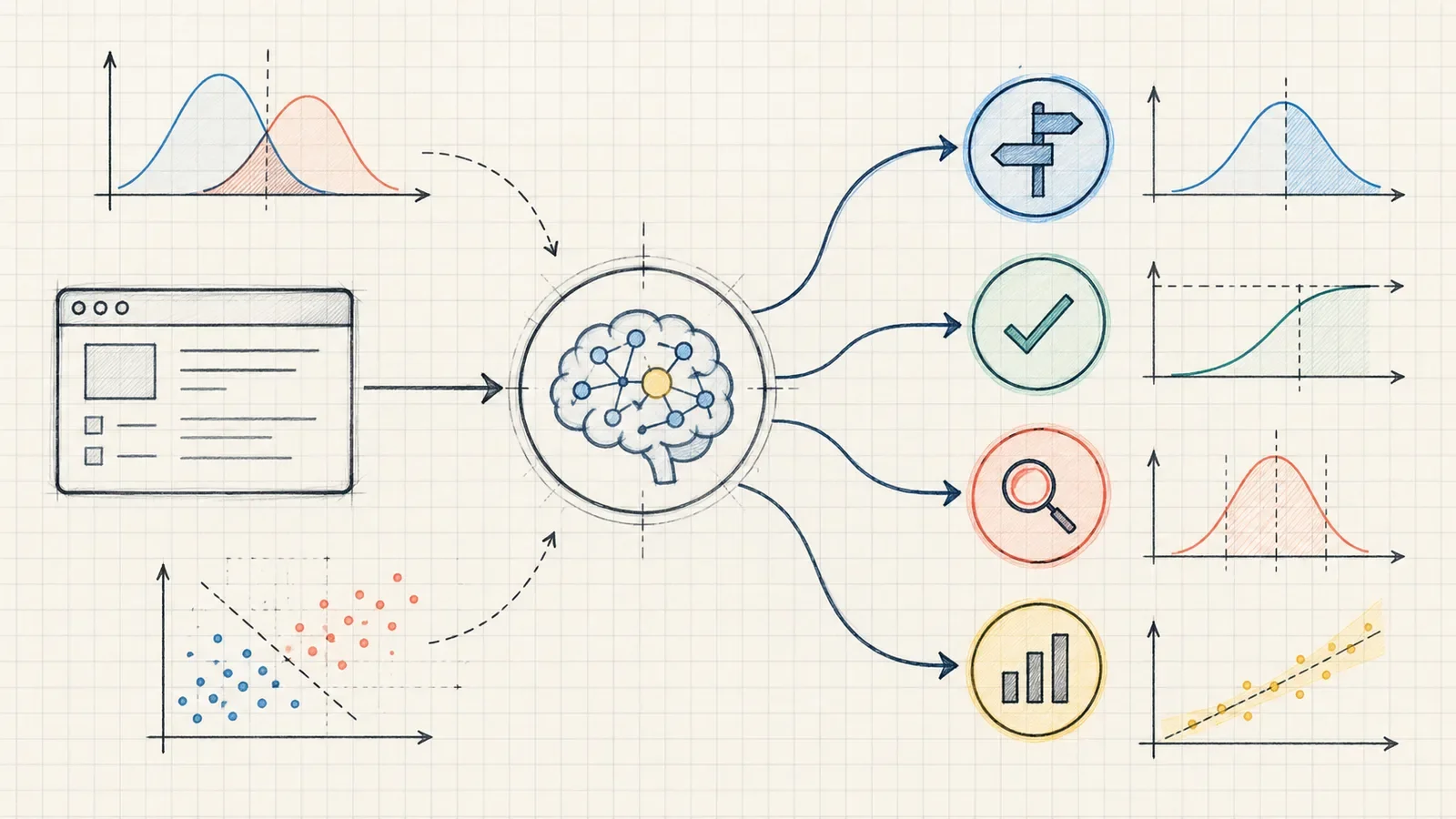
A preview decision-oriented API highlights a useful architecture for routing, triage, and agent control. The real engineering work lies in defining answer spaces, measuring abstention, and keeping authorization outside the model.
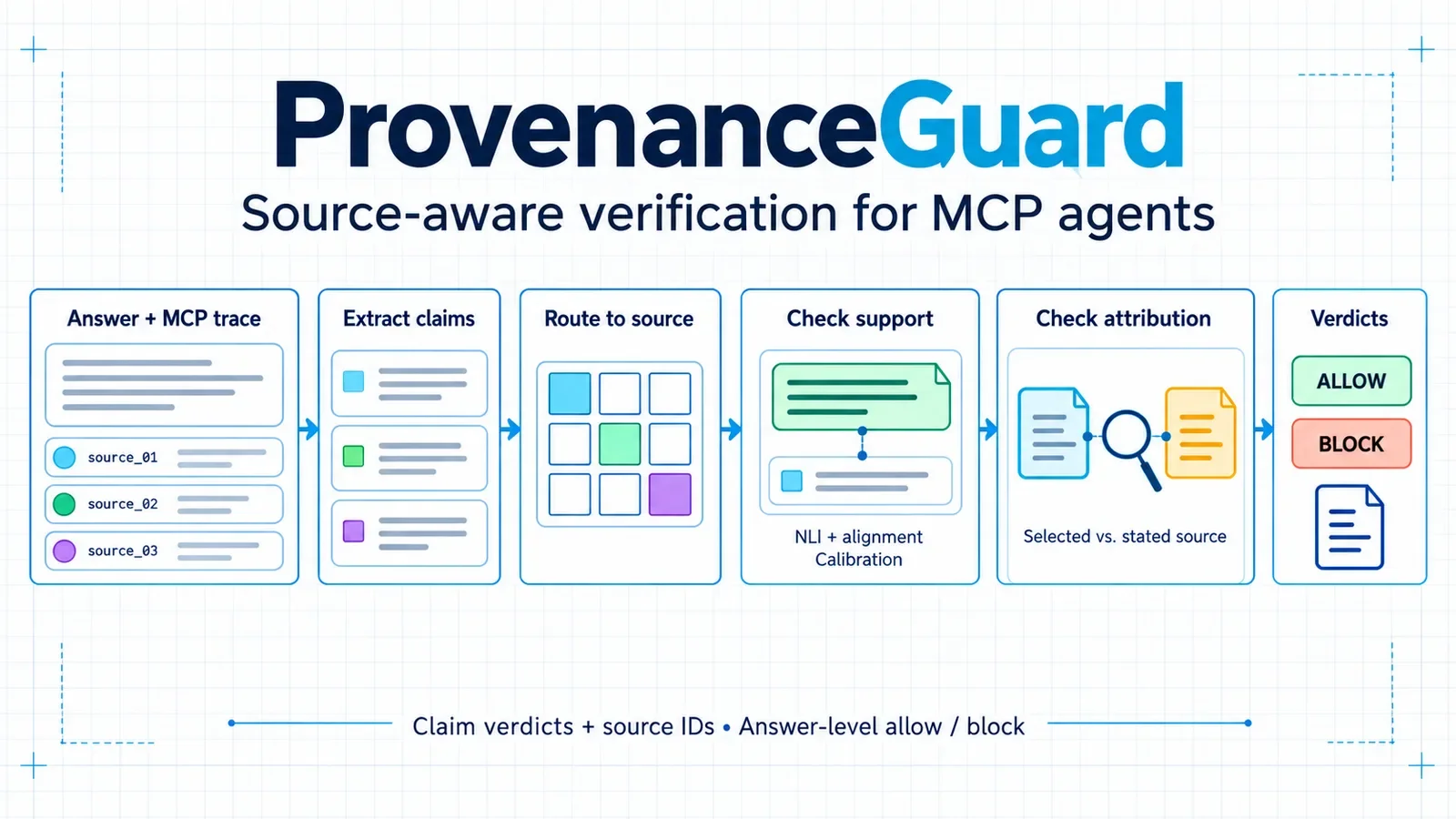
ProvenanceGuard evaluates whether each claim is supported by the source an agent attributes it to. The research also offers a practical blueprint for testing source-aware verification without confusing a conservative gate with proof of correctness.
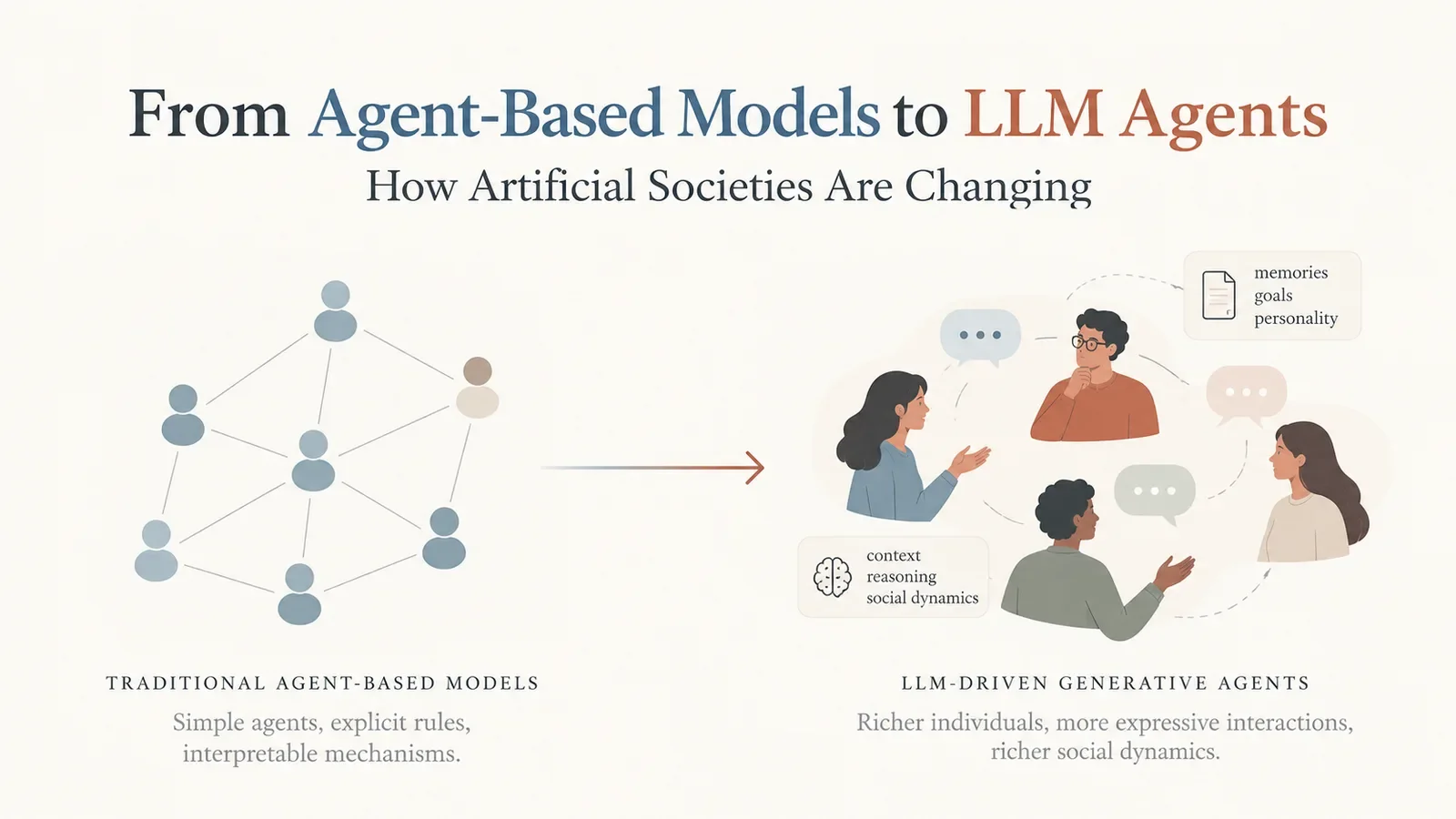
Language-model agents can make social simulations more expressive, but convincing dialogue is not proof of valid collective behavior. A practical evaluation framework separates semantic capability from social mechanism and tests each layer independently.

A practical method for narrowing a crowded field of agent frameworks and harnesses by testing permissions, recovery, observability, cost, and operational fit on one representative task.
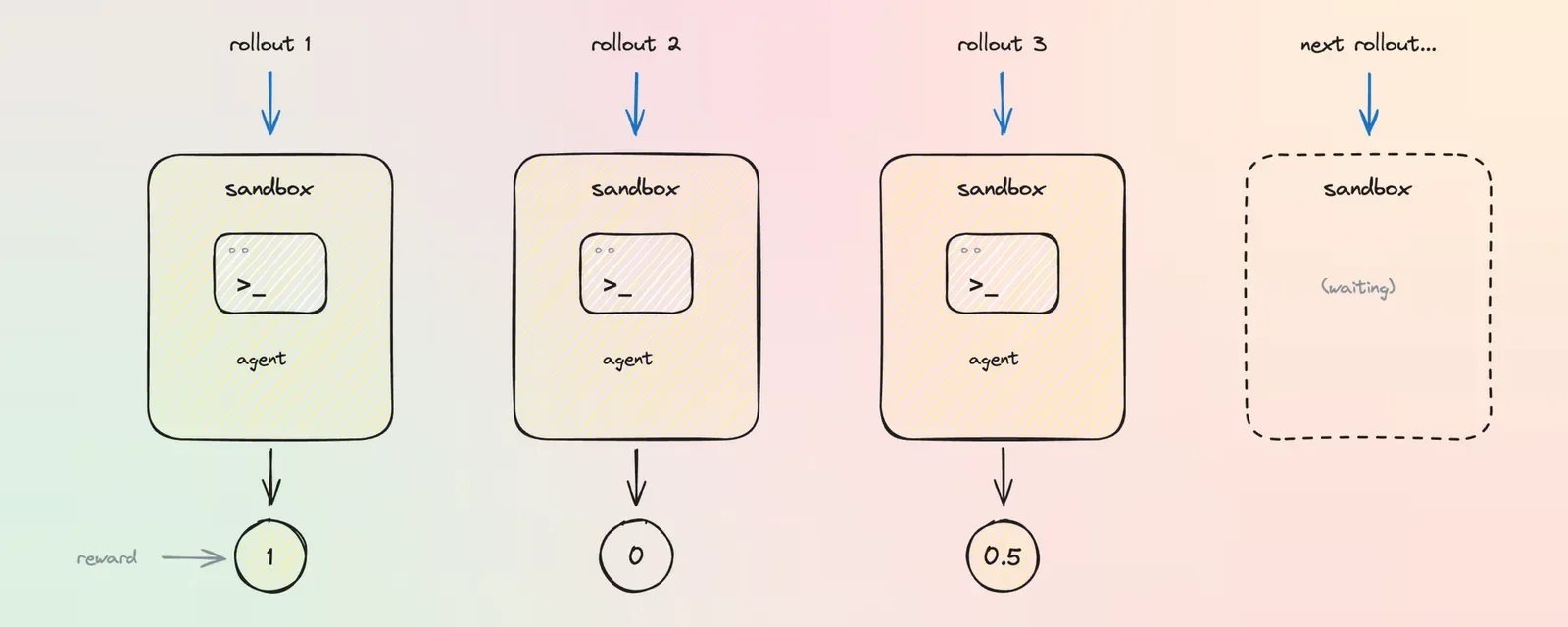
A recent Hugging Face community survey puts the execution environment at the centre of agent training. Here is how to reason about isolation, reset behaviour and reliable rewards.

The project addressed the gap between keeping old sessions and retrieving useful context from them.
 Article·6 min