A Smaller Model File Is Only Half the Quantization Story
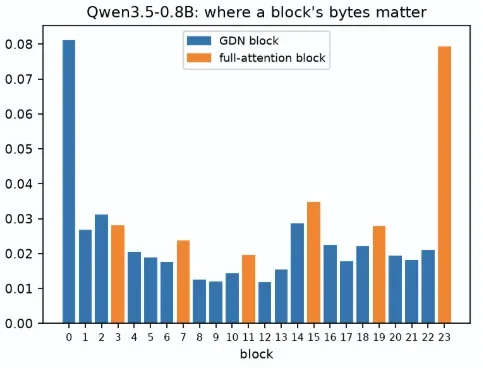
A September 14 community report on AutoRound offers a useful reminder: matching file sizes does not mean two quantized models preserve the same behaviour.
 Article·4 min
What’s new, what matters, and what to build next.
A September 14 community report on AutoRound offers a useful reminder: matching file sizes does not mean two quantized models preserve the same behaviour.
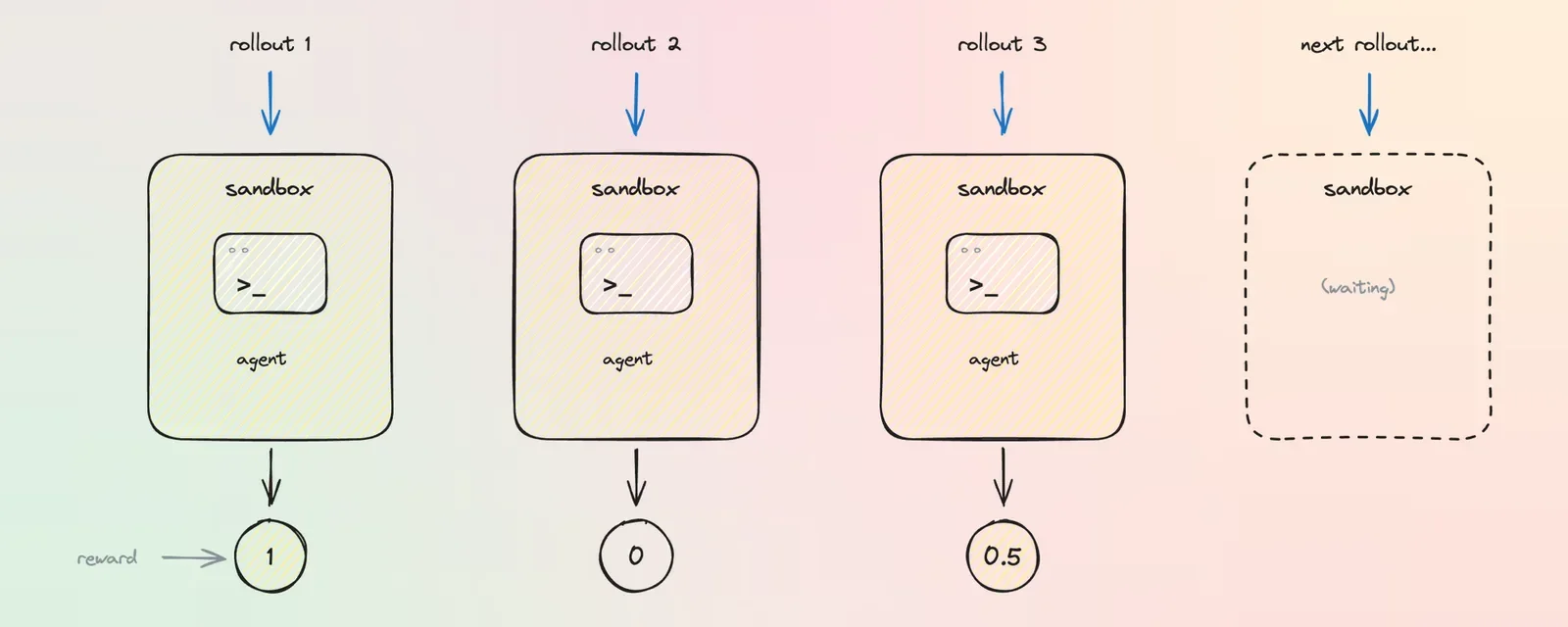
Article·4 minA recent Hugging Face community survey puts the execution environment at the centre of agent training. Here is how to reason about isolation, reset behaviour and reliable rewards.
Article·4 minBartowski’s September 10 experiments explore tensor-specific precision choices. The practical lesson is to compare allocation strategies at a matched memory budget and validate on your workload.
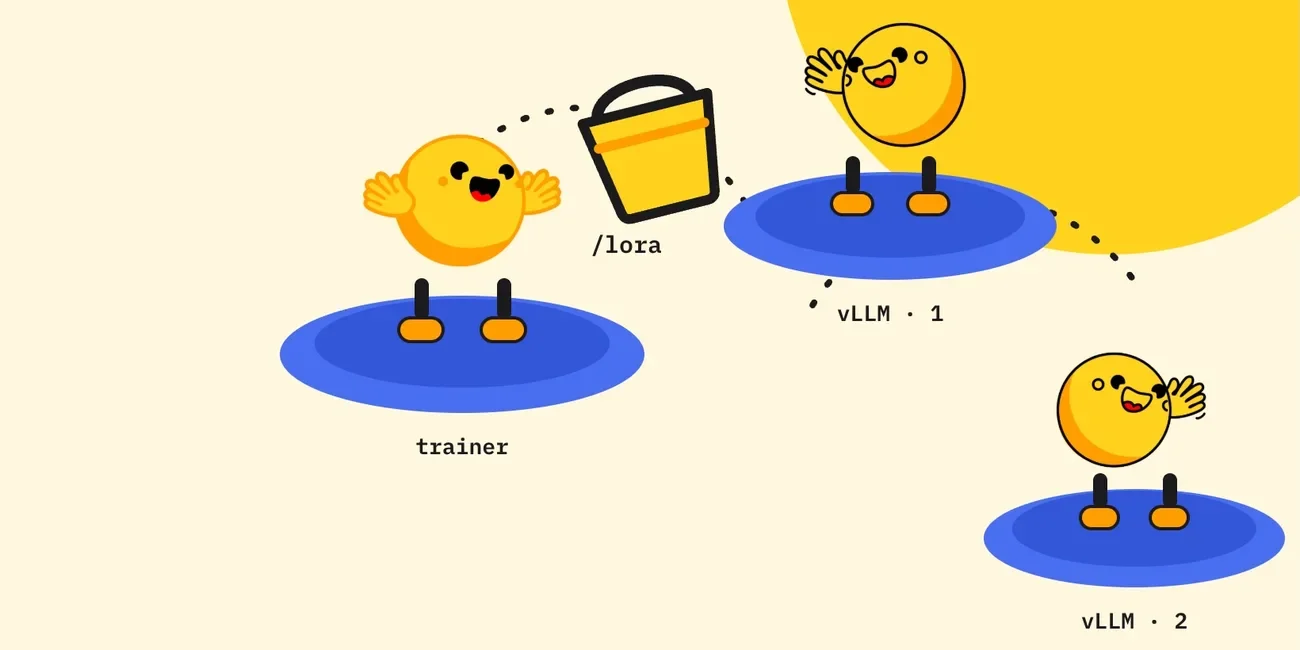
Article·4 minA new AsyncGRPO workflow separates training from rollout generation by moving compact LoRA adapters through shared storage. The design shows how versioning, cache-aware routing, and explicit consistency rules can replace assumptions built into a tightly coupled cluster.
Article·6 minA September community tutorial builds a small collection of Hugging Face repository metadata. The useful ideas extend beyond the example: preserve raw responses, distinguish missing values and record collection boundaries.
Article·4 minA community account of training TinyDiT highlights the choices that matter before a long run begins: image-caption agreement, evaluation prompts and honest boundaries around pretrained components.
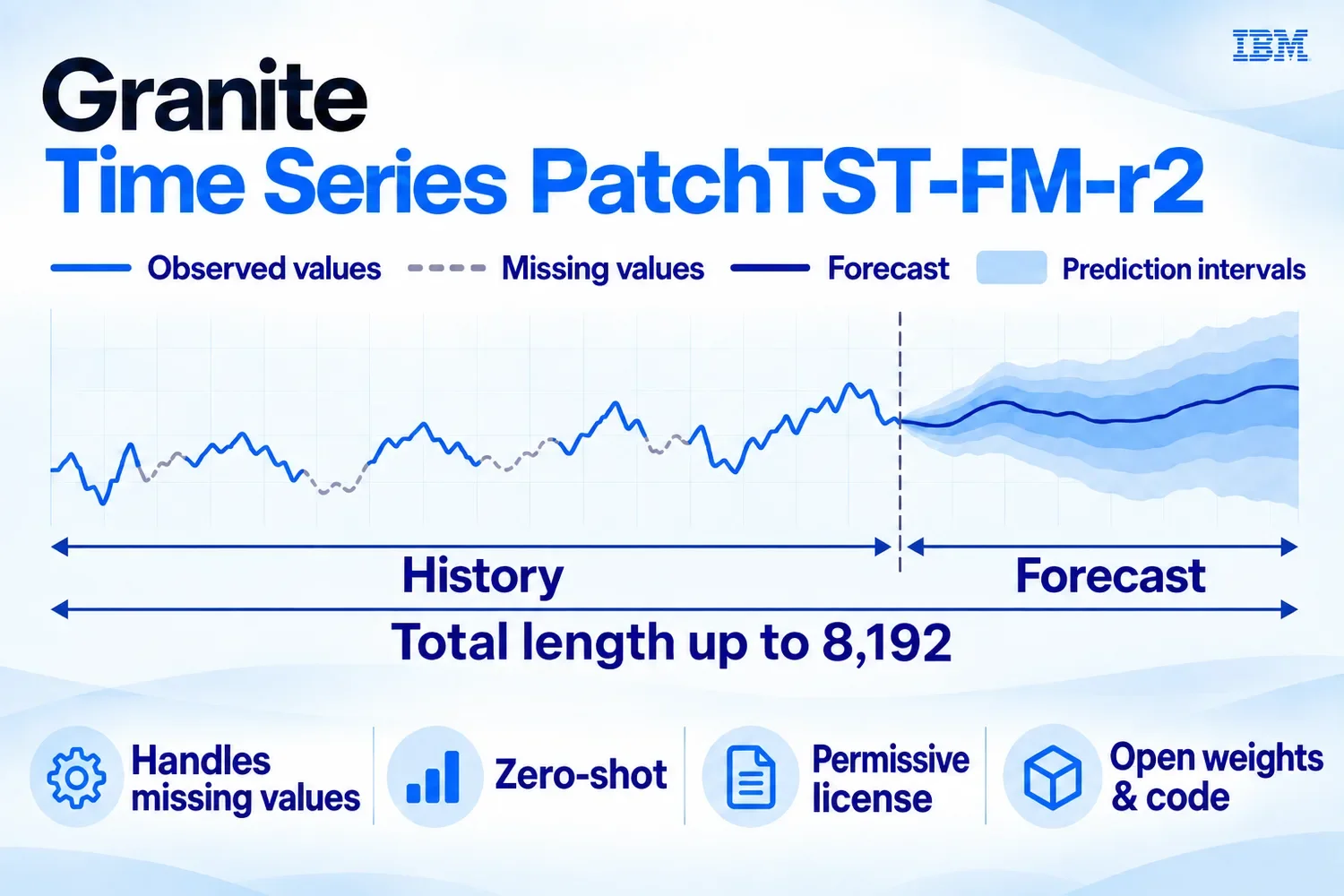
Article·4 minIBM’s latest time-series release makes a useful starting point for discussing uncertainty, honest backtests and the difference between benchmark performance and operational value.
Article·4 minHugging Face and Earthmover’s September guide addresses the practical work around weather inference. Here is how to evaluate the complete pipeline, from initial conditions to a useful forecast.
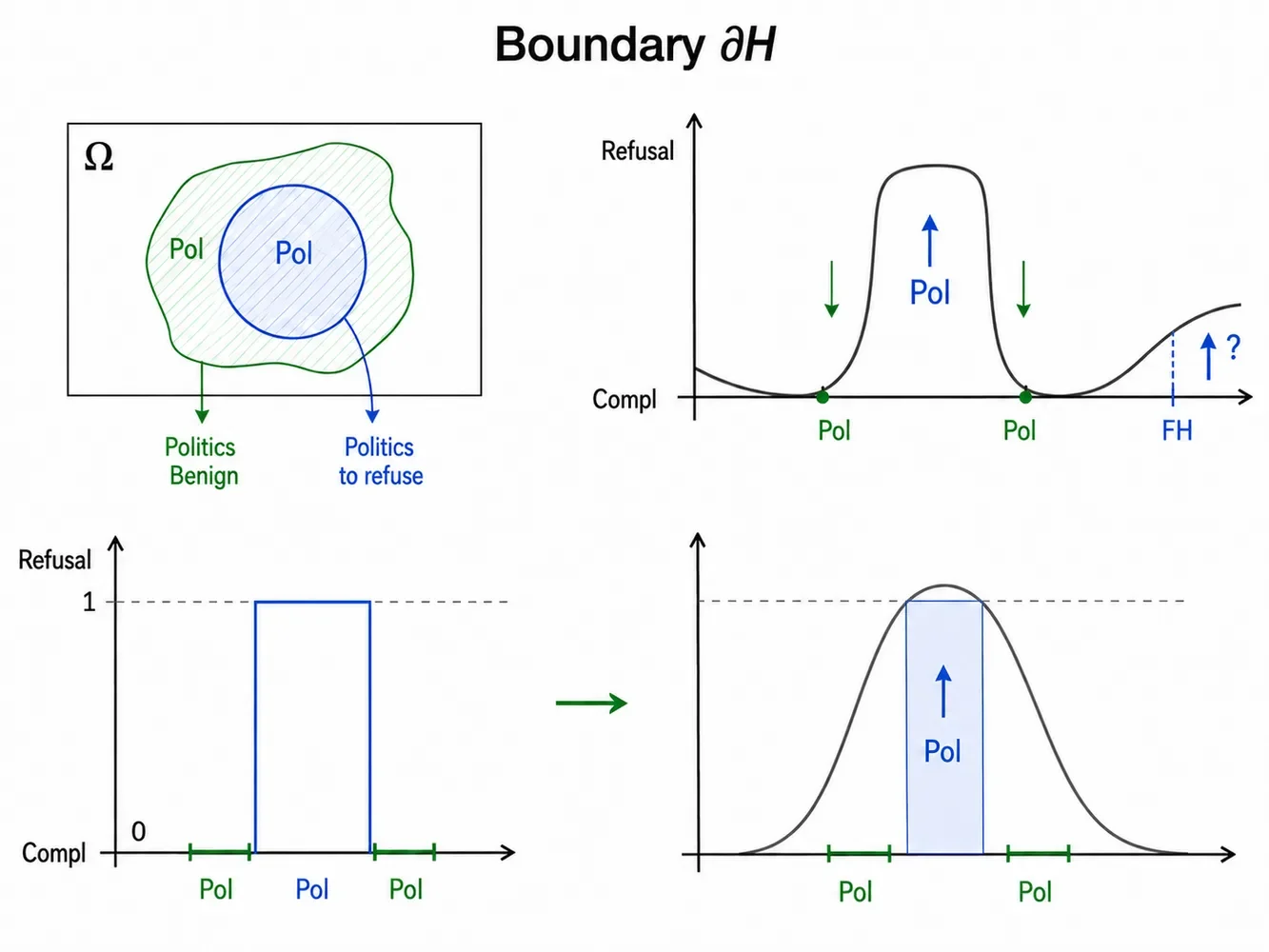
Article·4 minA new boundary-aware safety study highlights a familiar deployment problem: stopping harmful requests without also blocking the legitimate work an assistant exists to do.
Article·5 minOpen Yap 1K focuses on overlapping, dual-channel conversation. Its release highlights why turn timing, speaker separation and dataset access terms matter alongside transcript accuracy.
Article·4 minExplore releases and guides from 2024 onward. Dates refer to the original announcements; each article also shows when our coverage was published. How we cover the ecosystem ↗