EXPLORE THE ECOSYSTEM
Training
Fine-tuning, evaluation, and reproducible learning recipes.
29 articlesNewest announcements first
Microsoft and Hugging Face used executable database checks as reinforcement-learning rewards for a tool-using agent. The results show why task selection and repeated evaluation matter as much as average accuracy.
A native PyTorch backend for AWS Trainium reduces the amount of accelerator-specific code needed in Hugging Face training and inference workflows, while compilation and shape constraints still require deliberate engineering.
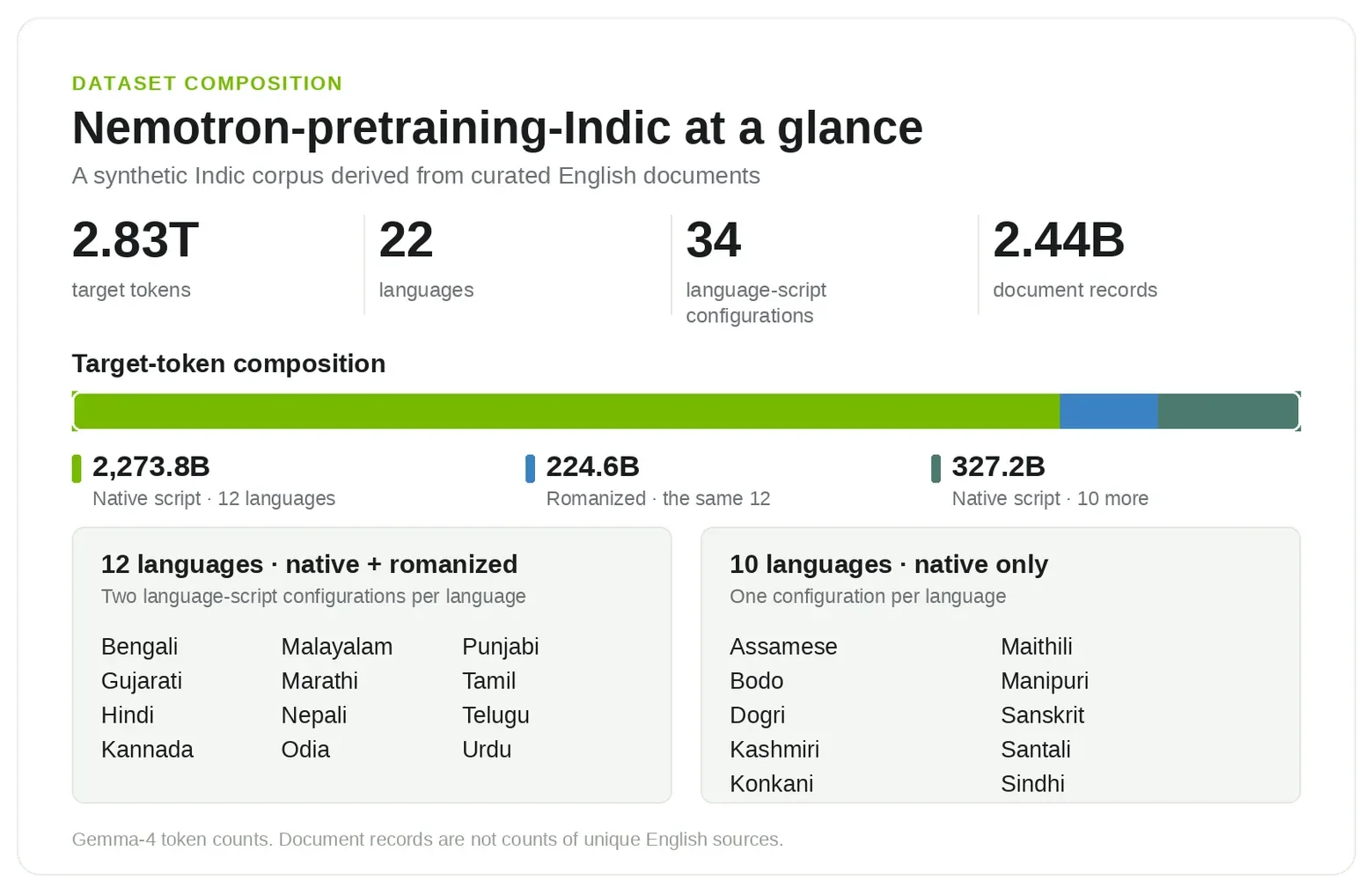
NVIDIA and AI4Bharat's forthcoming Indic corpus pairs broad language and script coverage with an open generation workflow. Its greatest value may be the ability to audit, adapt, and test the recipe—not merely the headline token count.
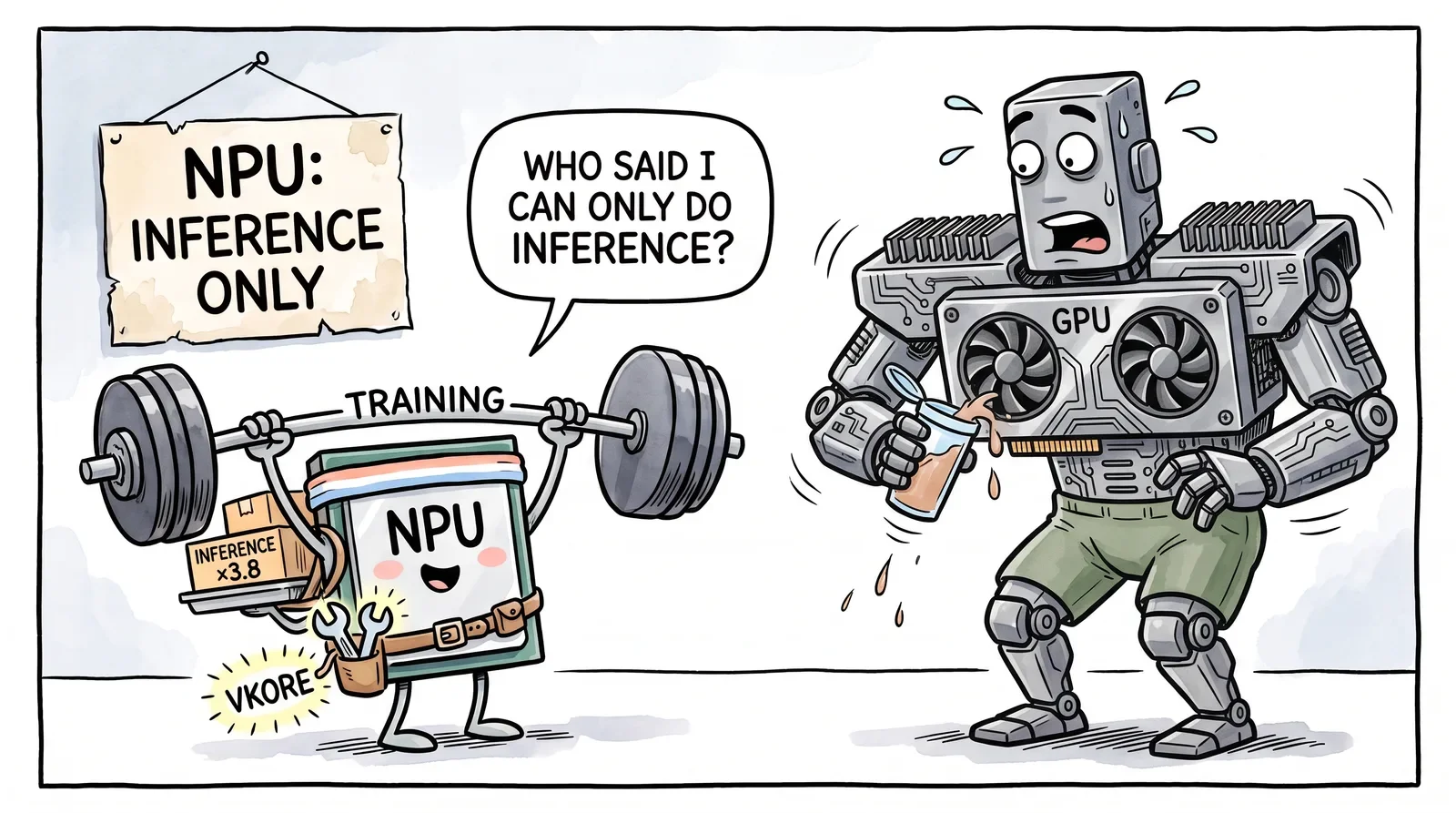
VKORE-46M-NPU turns an unusual hardware claim into a useful evaluation case: can an inference-oriented accelerator execute a complete training loop, and what evidence is needed before that result generalizes?
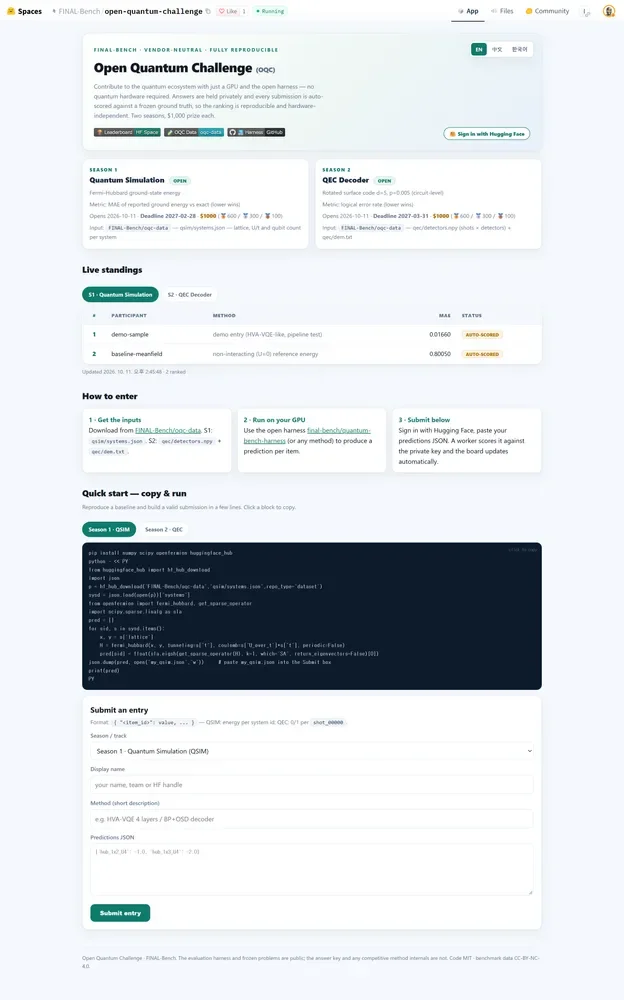
FINAL-Bench's Open Quantum Challenge turns quantum simulation and error-correction decoding into two public GPU tasks. The format highlights how fixed targets and shared harnesses can make specialized research easier to compare, reproduce, and enter.

Ai2 replaced cost-free priority labels with time budgets, hierarchical fair share, and bounded preemption. The design offers a practical lesson: scarce accelerator capacity is easier to govern when policy, accounting, and runtime guarantees are explicit.
Hunmin-CUA offers a useful case study in transferring computer-use behavior while tracking what a specialized checkpoint might damage. The broader lesson is to treat preservation metrics, evaluation configuration, and stopping rules as first-class parts of post-training.
ML Intern turns a model idea into a budgeted training workflow. The valuable lesson is not full automation, but a disciplined brief: establish a baseline, run a smoke test, define acceptance criteria, and preserve evidence for review.
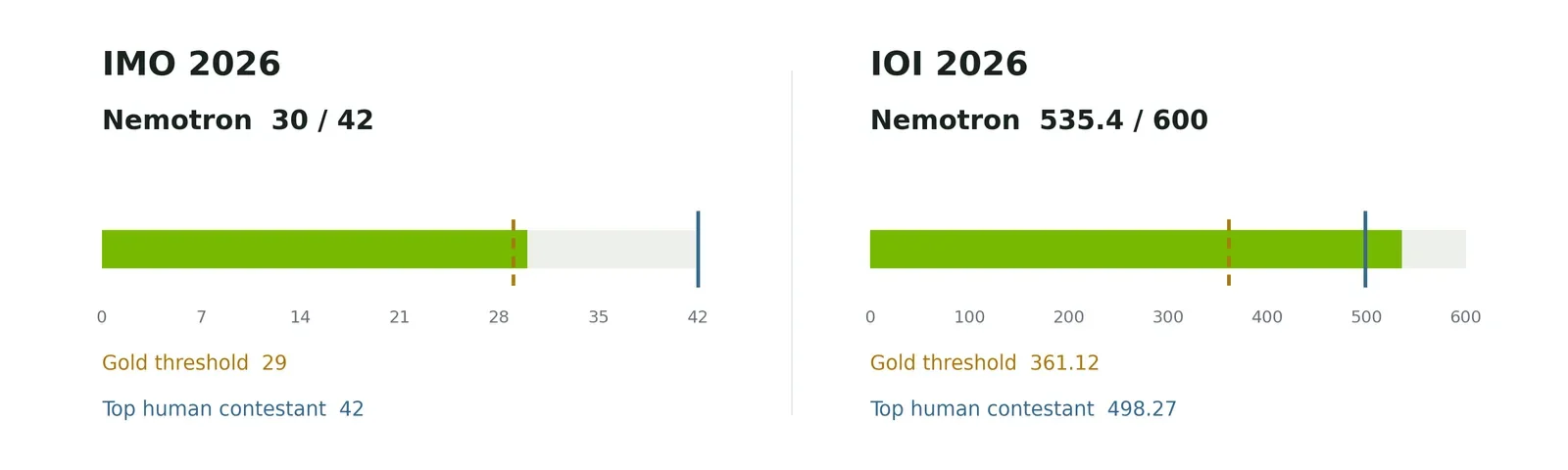
Nemotron's IOI and IMO systems show why domain adaptation, verification, and test-time search should be evaluated as one pipeline rather than as an isolated model checkpoint.
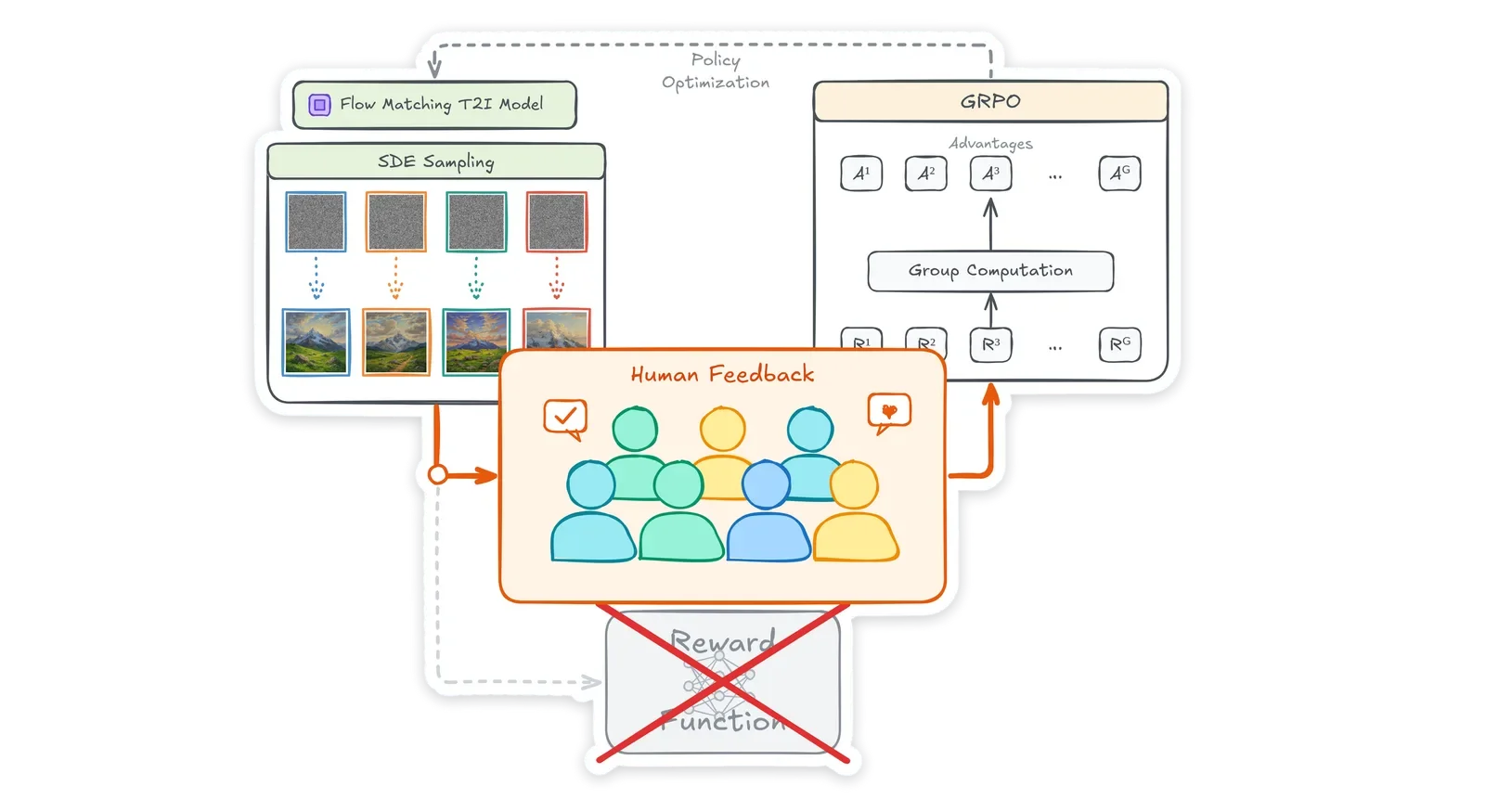
Rapidata proposes replacing a learned image reward model with live pairwise judgments during online alignment. The interesting engineering question is not only whether people can respond quickly, but how to keep their signal reliable as the model changes.
 Article·6 min