Browse by the date of the original announcement. These retrospective entries were written for this blog in September 2026—not published by us on the historical dates shown.
Recent hf CLI and huggingface_hub updates connect caching, Jobs, Storage Buckets, and Sandboxes into a more coherent automation workflow. Here is how to evaluate the changes and where their operational boundaries still matter.
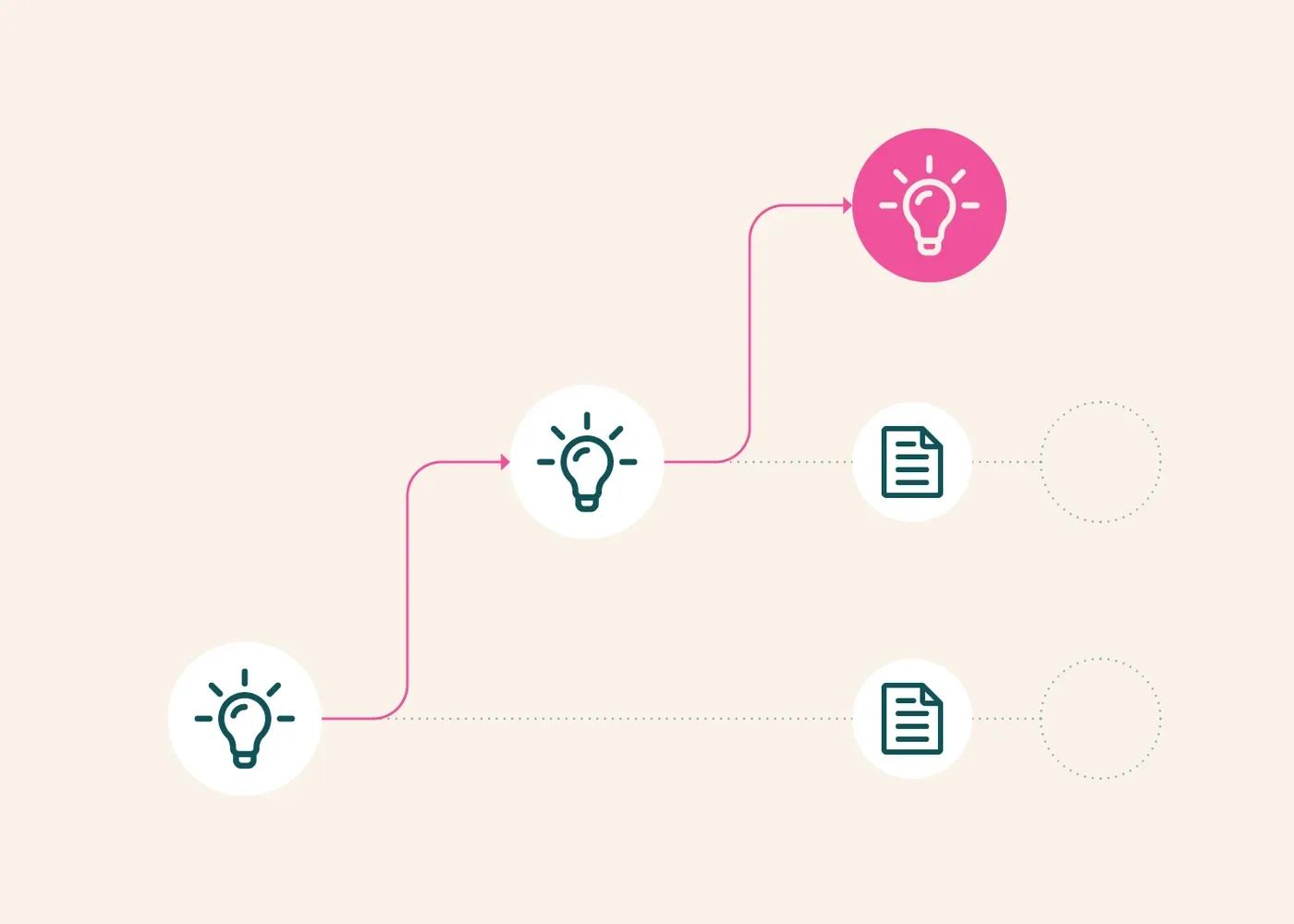
Ai2's LitPivot organizes papers around the problem, contribution, or evaluation being revised, then links critiques and suggested changes to researcher-selected evidence.
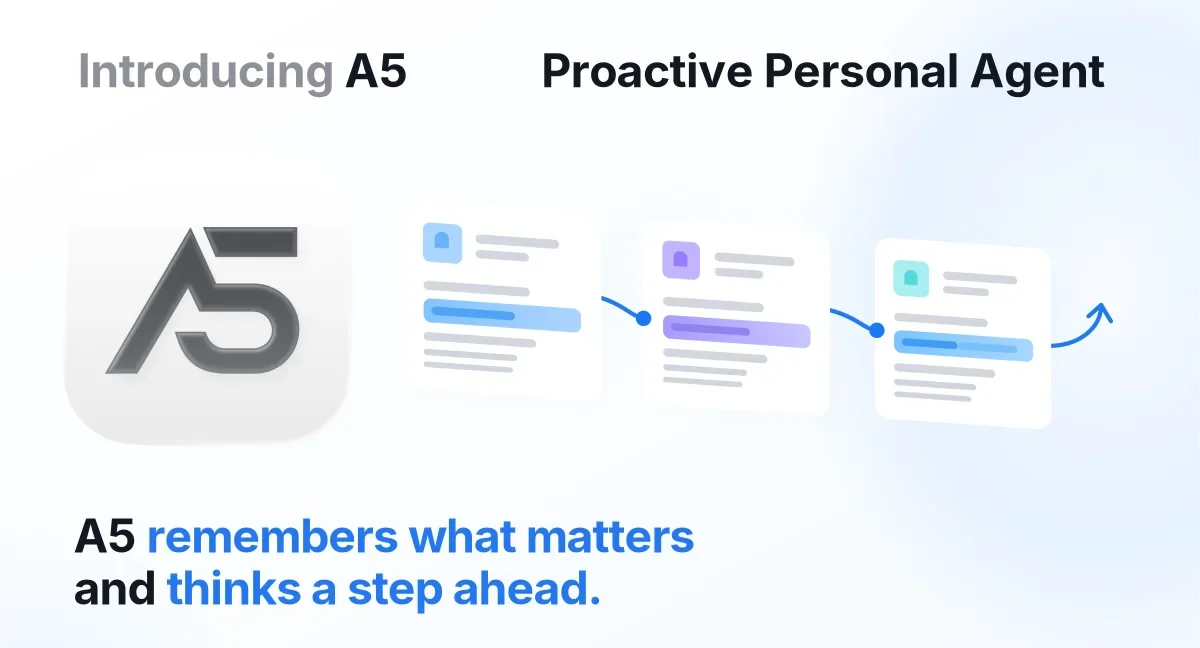
A5 presents a personal-agent harness built for work that spans conversations. Its design connects persistent context, memory maintenance, workspace change detection, and user-approved proposals—but also highlights why provenance, permission boundaries, and silence are core product requirements.
Mundo reconstructs a place as an editable 3D proxy, advances it with simulation code, and uses a video model to render the result. The separation makes its controls easier to inspect while exposing clear limits around geometry, speed, and long-term consistency.
A new public lookup connects popular Transformers checkpoints with reproducible AWS Trainium compatibility results. Its real value is faster technical triage—provided teams treat a passing run as a starting point, not a production benchmark.
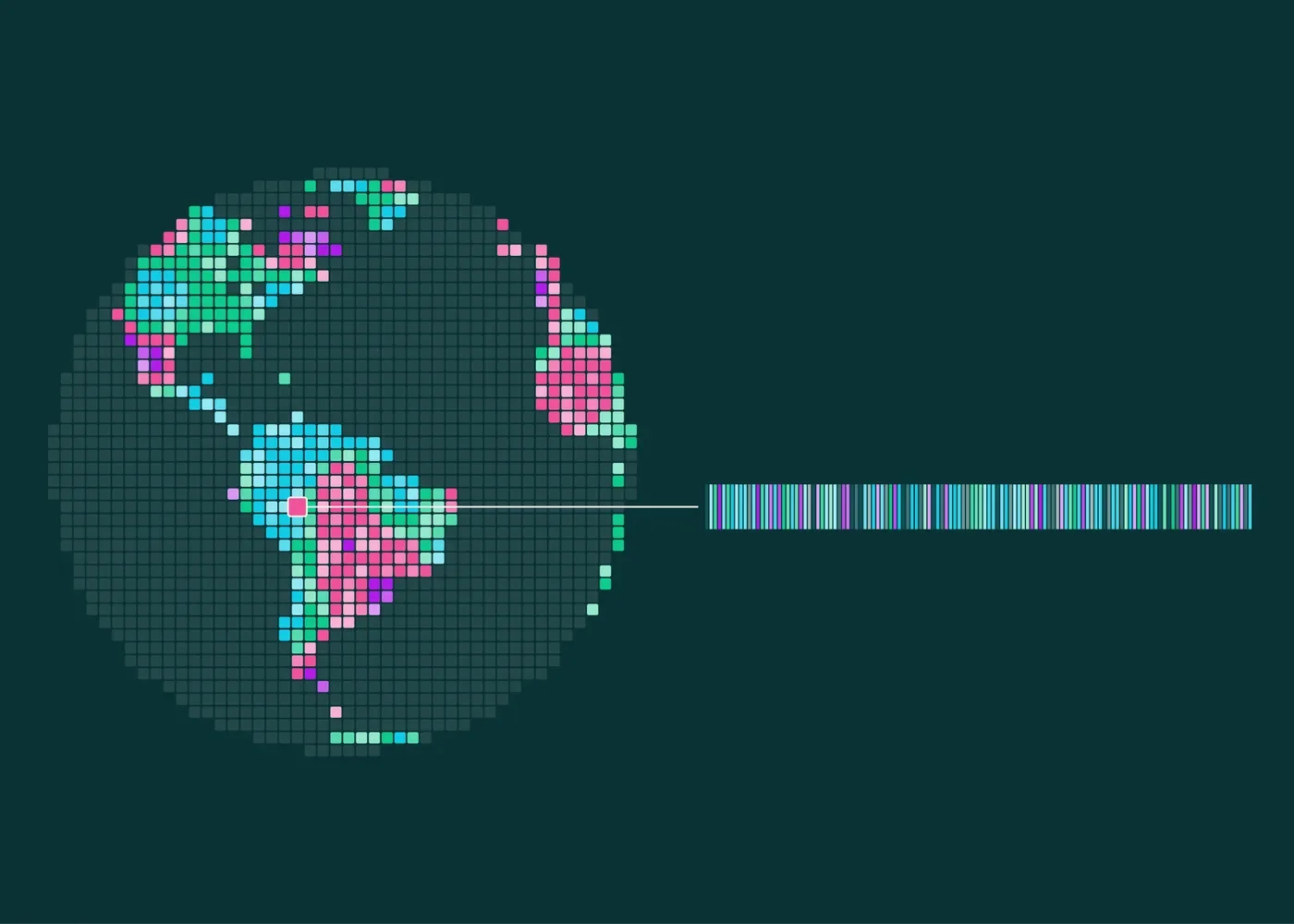
Ai2’s OlmoEarth v1.3 release pairs a satellite foundation model with annual, global embeddings and an interactive explorer. The practical shift is from repeatedly processing raw imagery to testing mapping ideas with reusable feature vectors.
A Hugging Face and Farsight article argues that financial firms increasingly judge AI by where models run and how access is governed. The useful lesson is broader: deployment architecture, controls, and workflow evidence must be evaluated together.
Microsoft and Hugging Face used executable database checks as reinforcement-learning rewards for a tool-using agent. The results show why task selection and repeated evaluation matter as much as average accuracy.
IBM Research has packaged four Granite forecasters behind one quantile-forecasting interface. Here is how to evaluate the ensemble’s accuracy, calibration, cost, and operational fit before choosing it over a single model.
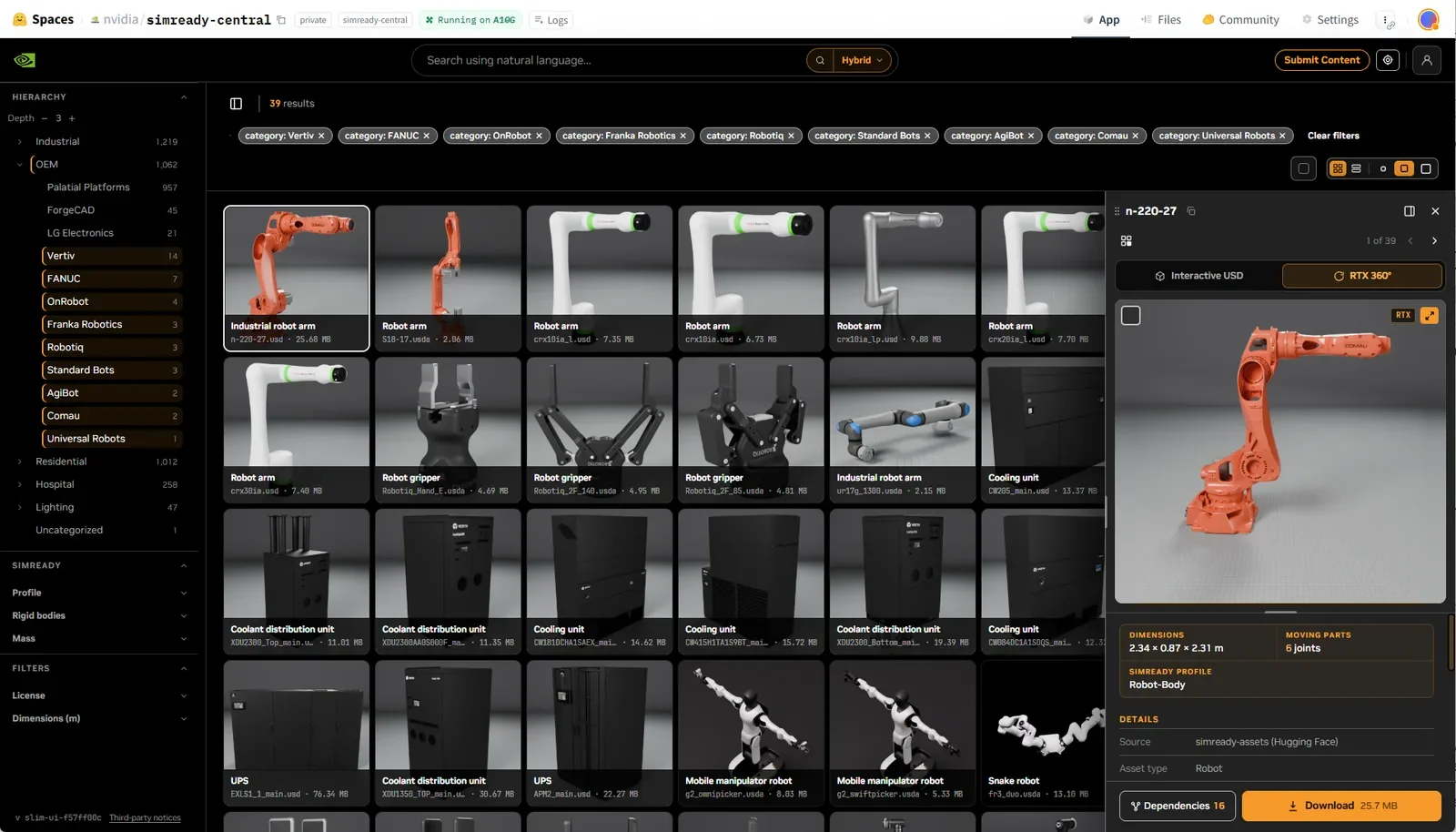
SimReady Central packages OpenUSD models with simulation metadata. The useful shift is not simply a larger asset catalog, but a more disciplined way to select, validate, version, and reuse components across robotics and digital-twin experiments.
 Article·6 min