Mundo reconstructs a place as an editable 3D proxy, advances it with simulation code, and uses a video model to render the result. The separation makes its controls easier to inspect while exposing clear limits around geometry, speed, and long-term consistency.
A new public lookup connects popular Transformers checkpoints with reproducible AWS Trainium compatibility results. Its real value is faster technical triage—provided teams treat a passing run as a starting point, not a production benchmark.
A Hugging Face and Farsight article argues that financial firms increasingly judge AI by where models run and how access is governed. The useful lesson is broader: deployment architecture, controls, and workflow evidence must be evaluated together.
Microsoft and Hugging Face used executable database checks as reinforcement-learning rewards for a tool-using agent. The results show why task selection and repeated evaluation matter as much as average accuracy.
IBM Research has packaged four Granite forecasters behind one quantile-forecasting interface. Here is how to evaluate the ensemble’s accuracy, calibration, cost, and operational fit before choosing it over a single model.
SimReady Central packages OpenUSD models with simulation metadata. The useful shift is not simply a larger asset catalog, but a more disciplined way to select, validate, version, and reuse components across robotics and digital-twin experiments.
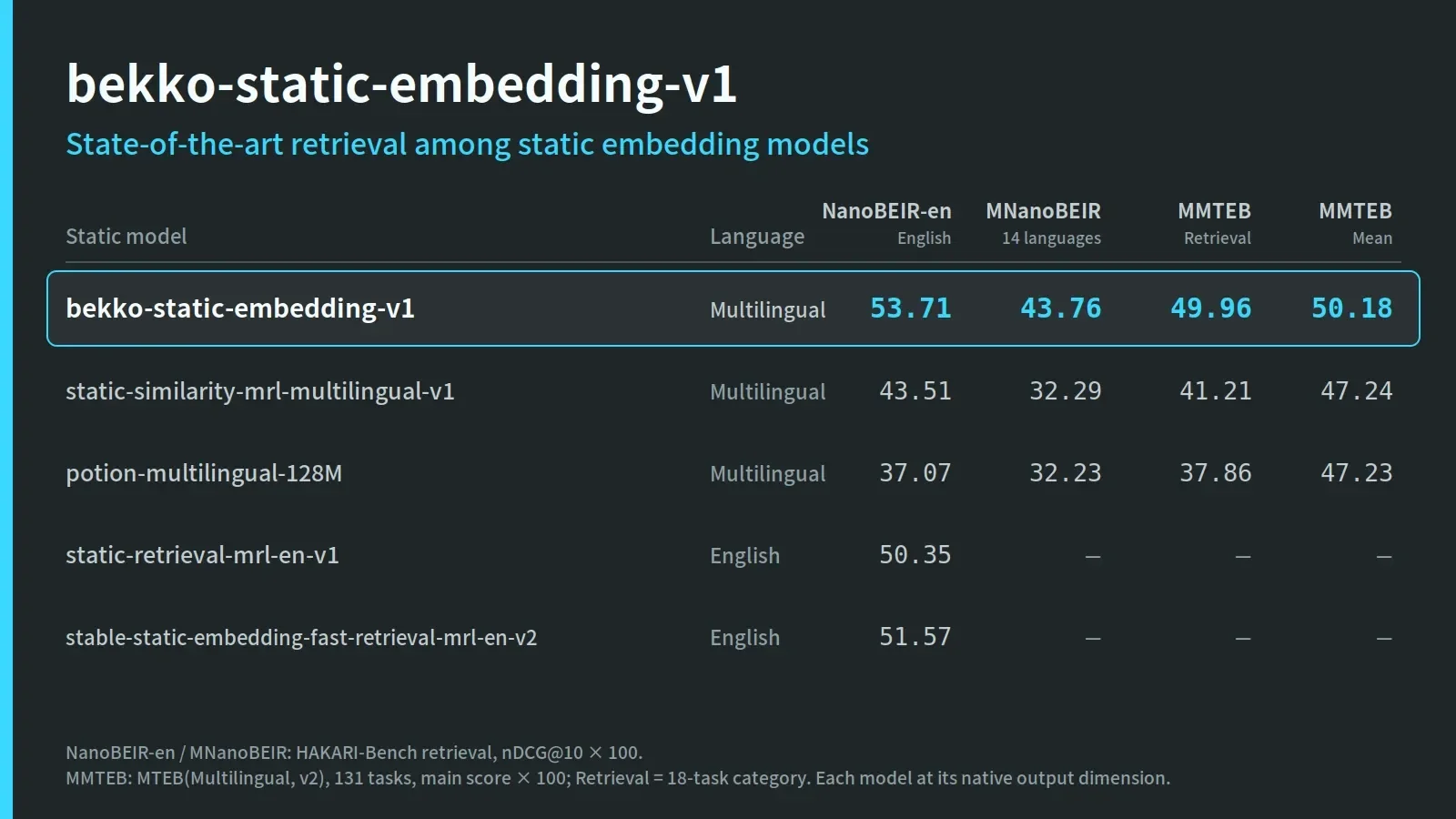
Bekko's new multilingual static embedding model highlights a useful retrieval tradeoff: extremely cheap encoding can be valuable even when contextual models retain the quality lead.
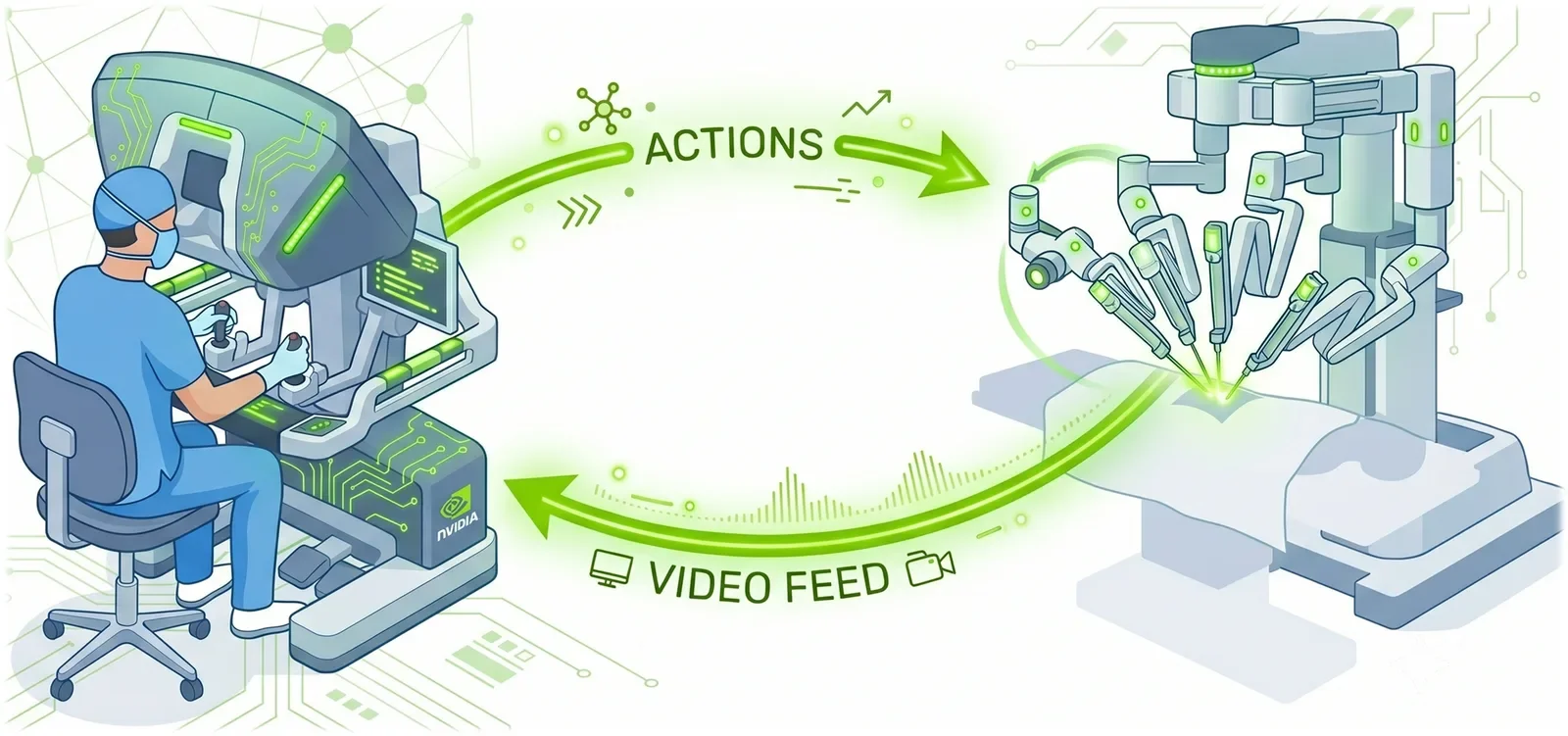
NVIDIA's Cosmos3-H-Dreams brings action-conditioned video generation into clinical surgical scenes, making validation of control fidelity, temporal stability, and safety boundaries the central engineering challenge.
A native PyTorch backend for AWS Trainium reduces the amount of accelerator-specific code needed in Hugging Face training and inference workflows, while compilation and shape constraints still require deliberate engineering.
LightOn’s SlideOn and mSlideOn explore a practical middle path in neural search: convert dense or late-interaction token representations into learned sparse features that can be served through an inverted index.
Article·6 min
Explore releases and guides from 2024 onward. Dates refer to the original announcements; each article also shows when our coverage was published. How we cover the ecosystem ↗

 Article·6 min