The Open ASR Leaderboard has added private conversational speech for Egyptian and Nigerian English. The update is small in hours but important in method: it makes accent coverage visible while limiting optimization against public test audio.
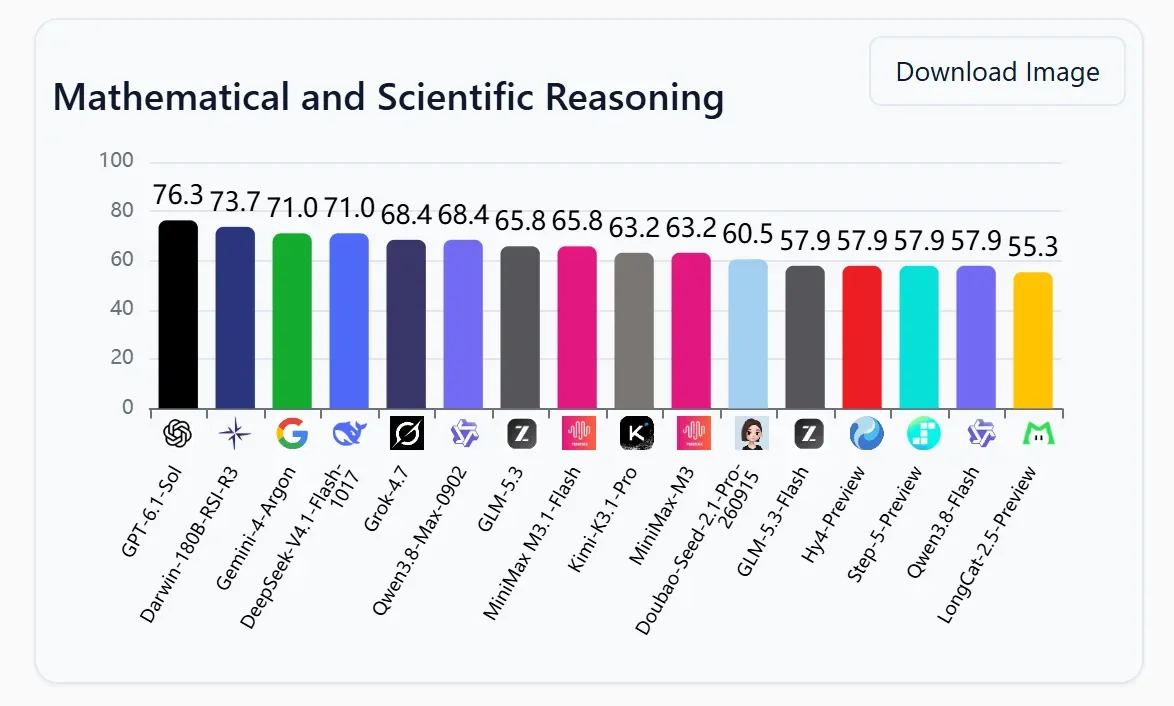
SuperCLUE’s November table has different leaders for coding, reasoning, hallucination control, instruction following, and long context. The useful lesson is not a universal winner, but a better way to build workload-specific model trials.
Phonon's small, multilingual text-to-speech models shift the deployment question from raw model quality to a broader balance of latency, privacy, licensing, hardware coverage, and voice control.
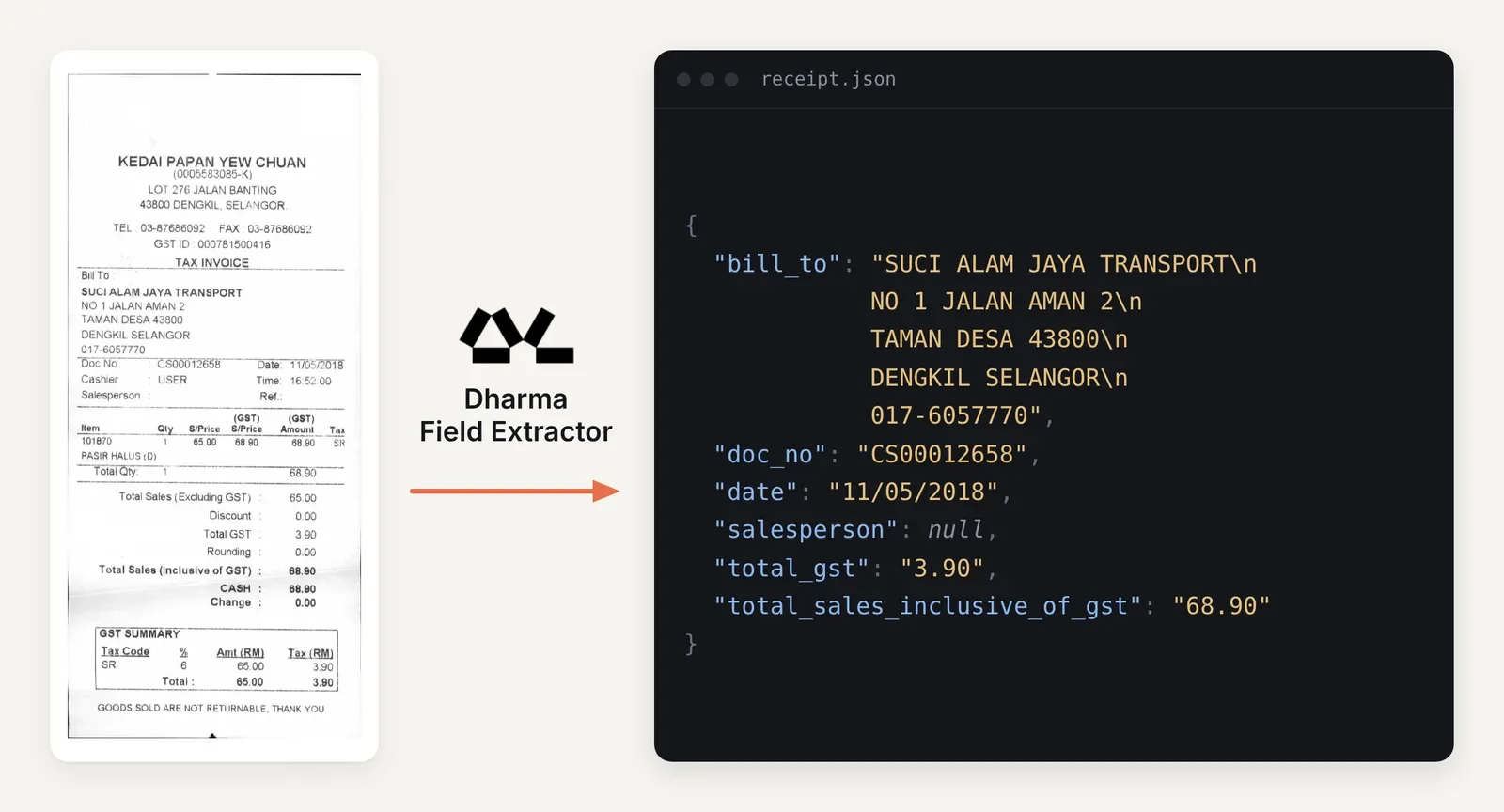
Dharma Field Extractor turns document images into typed JSON, illustrating how smaller specialized models can simplify extraction pipelines while leaving validation, abstention, and operational testing firmly in scope.
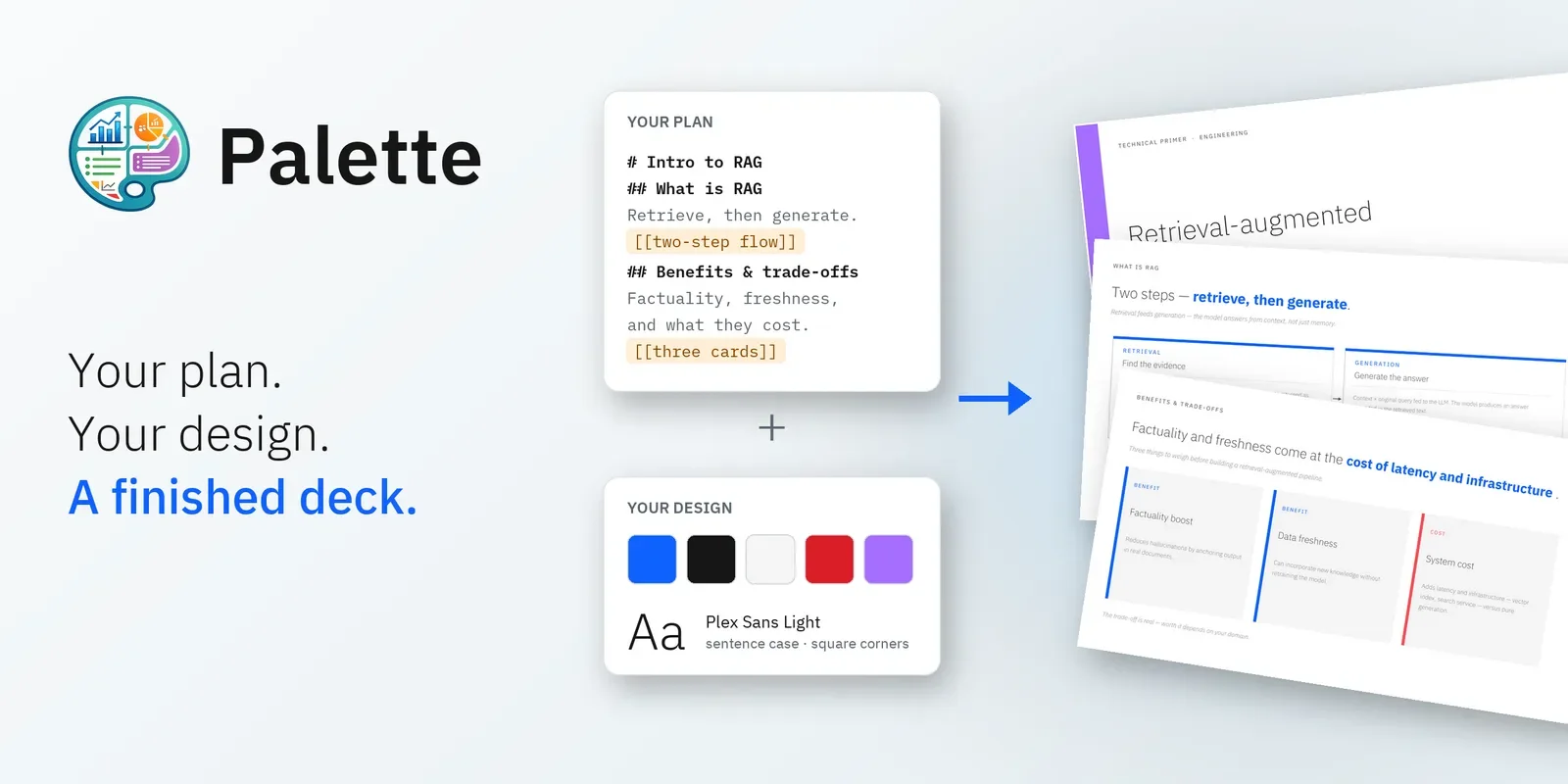
IBM Research’s Palette shows how a 20B open-weight model, structured planning, synthetic training data, and guarded repair can make brand-specific slide generation more controllable.
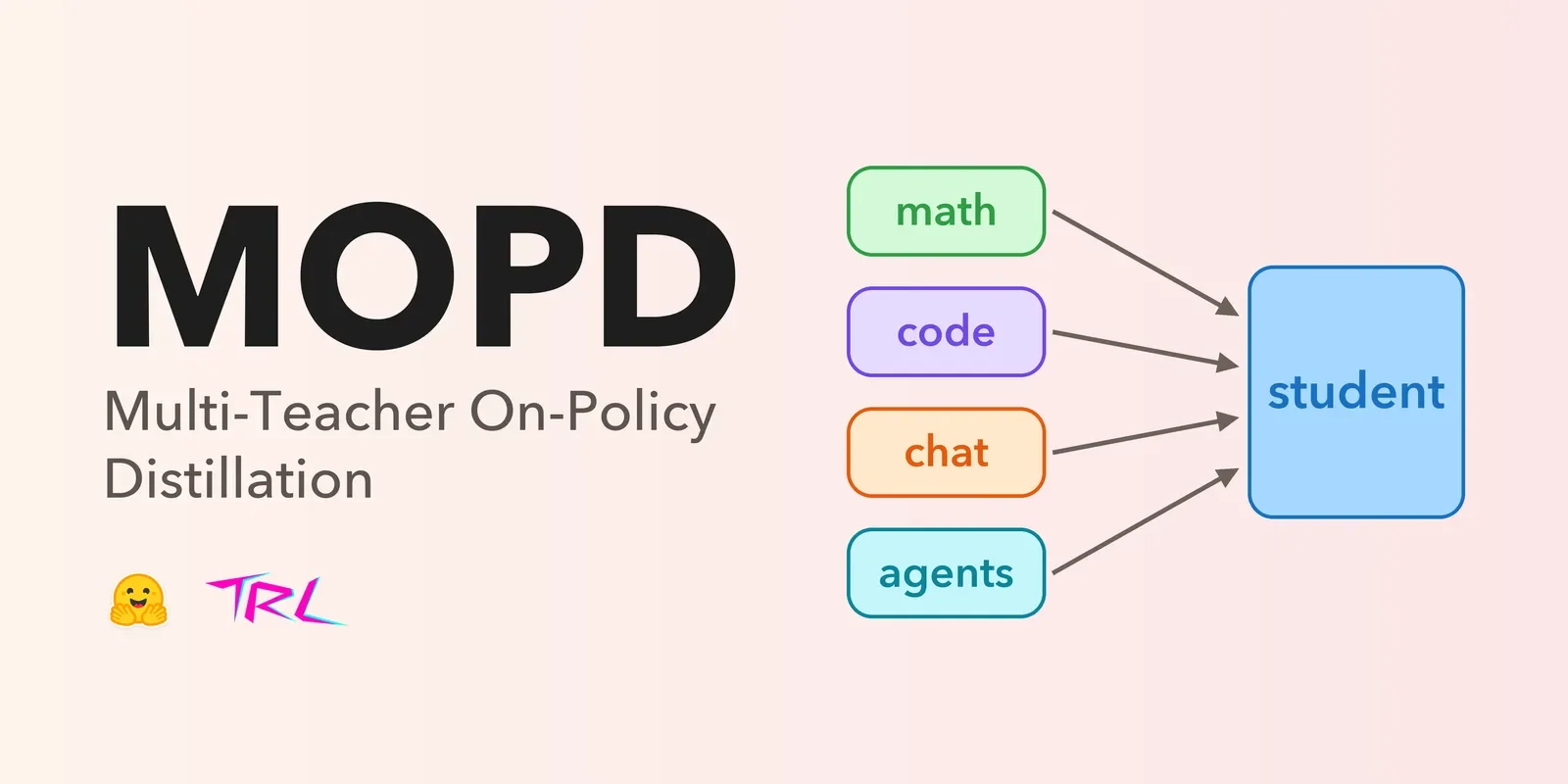
TRL now supports multi-teacher on-policy distillation through its asynchronous trainer, giving teams a practical route for combining domain specialists while exposing a crucial balancing problem: prompts are not the same thing as training tokens.
A proposed testing standard uses small, architecture-aware fixtures and reviewed behavioral baselines to catch model regressions on ordinary CPU CI, while preserving full-checkpoint tests for realism.
CyberArena replaces static security puzzles with live, three-round contests in which AI agents must exploit an opponent while keeping their own vulnerable service working.
A community experiment with a deliberately backdoored command-line model illustrates why clean evaluations cannot prove an agent is safe—and why narrow, pre-execution policy gates are a practical final line of defense.
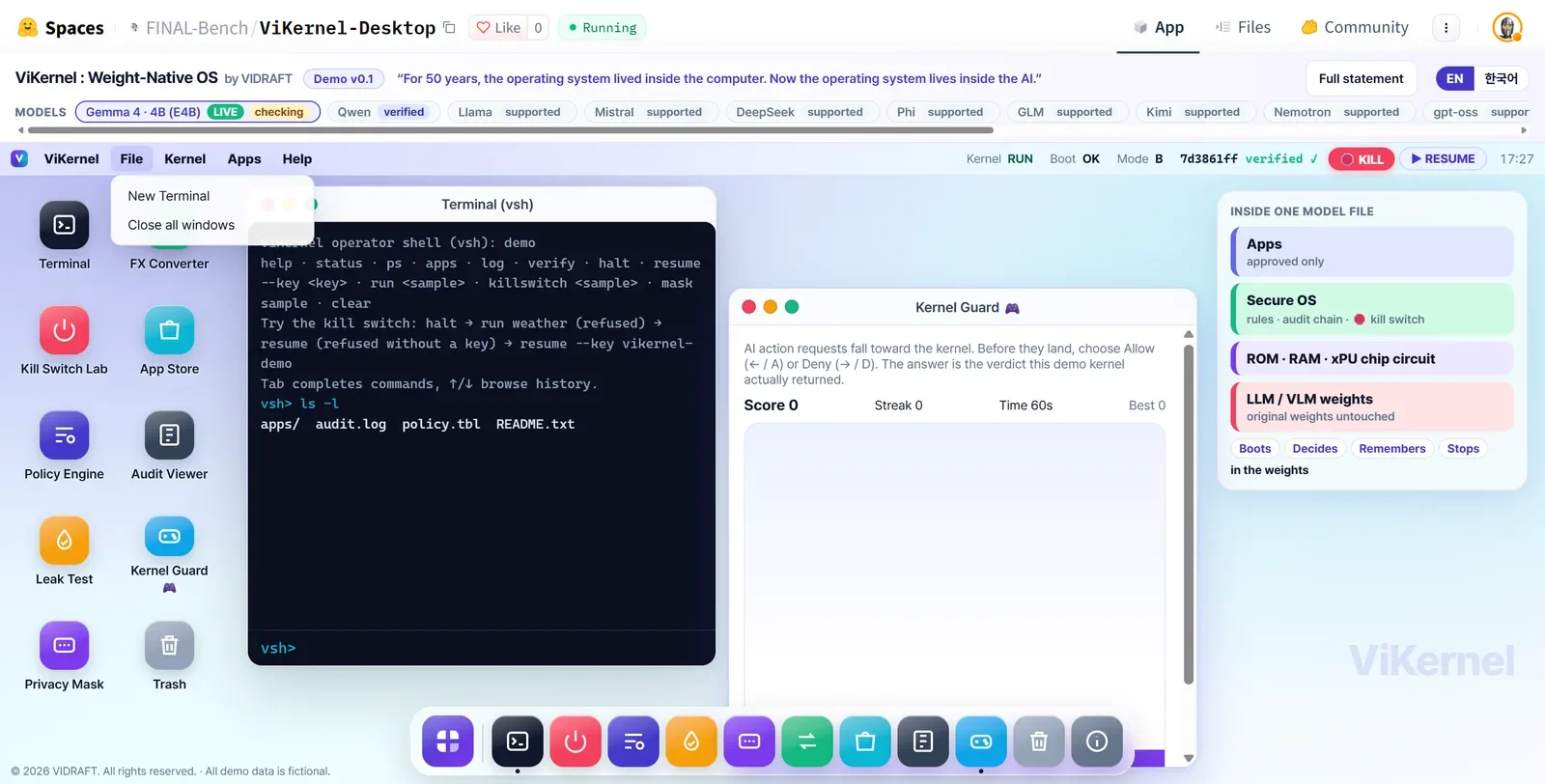
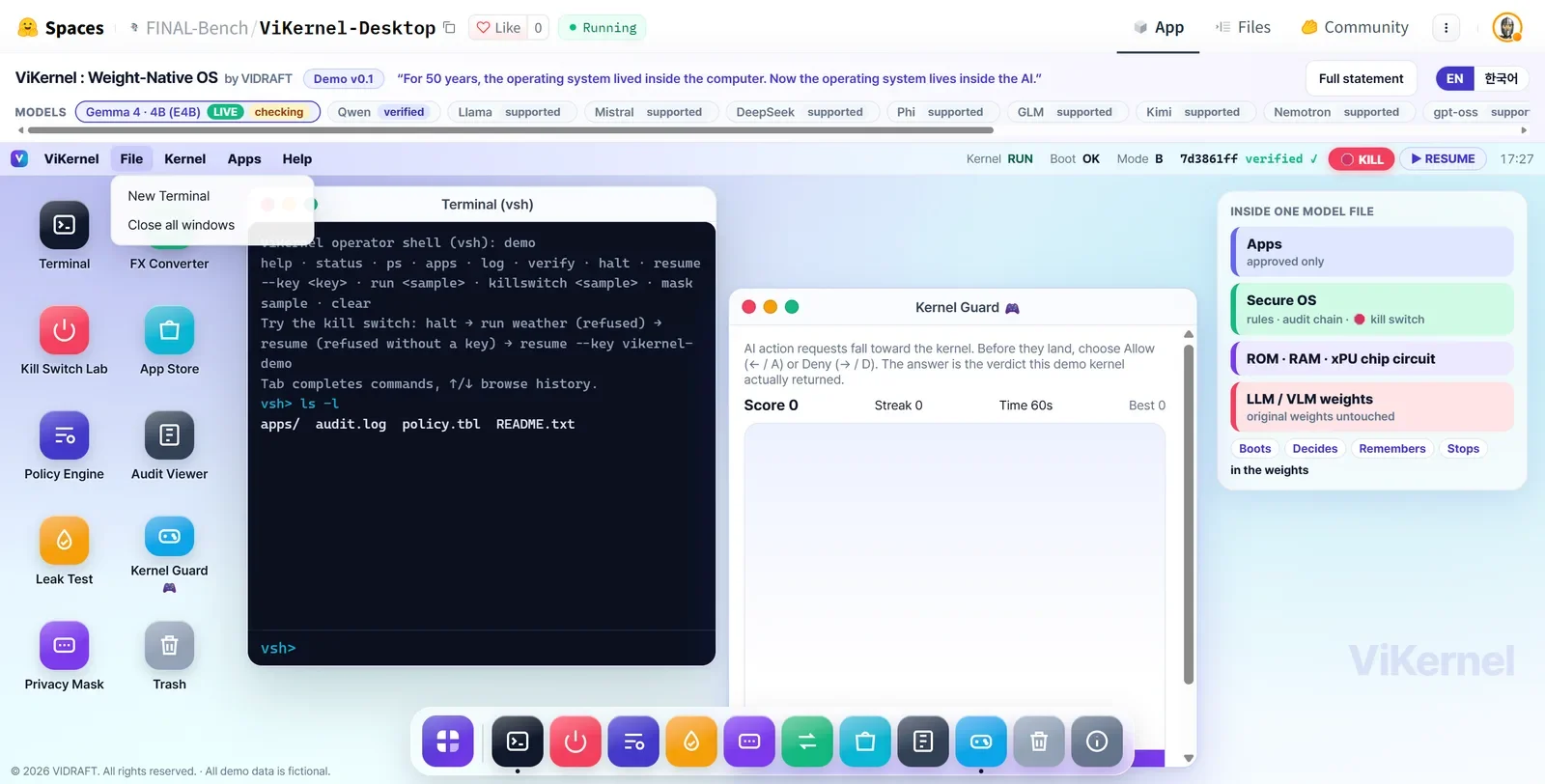
ViKernel proposes packaging policy, integrity checks, audit state, and an asymmetric stop mechanism with a model. The useful question is not whether the controls are described as weight-native, but which threats the complete deployment can resist and how operators can verify that resistance.
Article·6 min
Explore releases and guides from 2024 onward. Dates refer to the original announcements; each article also shows when our coverage was published. How we cover the ecosystem ↗

 Article·5 min