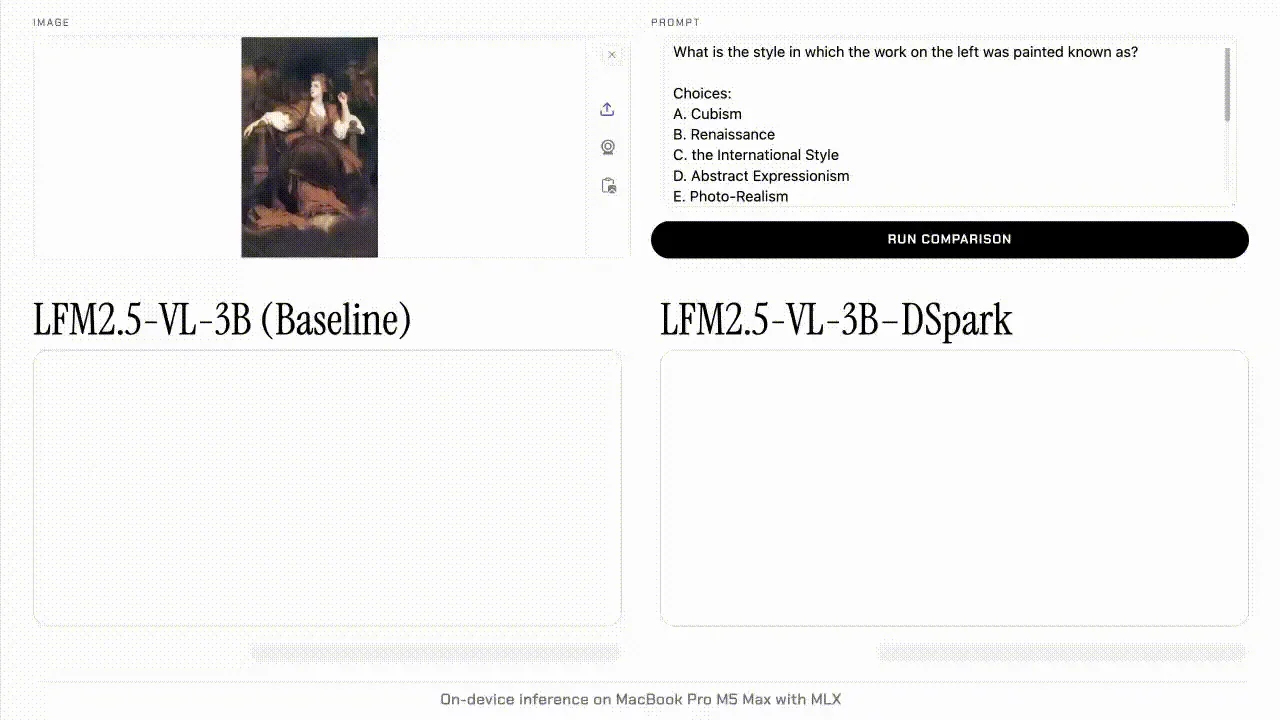
Liquid AI's compact draft model accelerates token generation for LFM2.5-VL-3B, but its real value depends on how much of a vision-language workload is spent decoding rather than processing images and prompts.
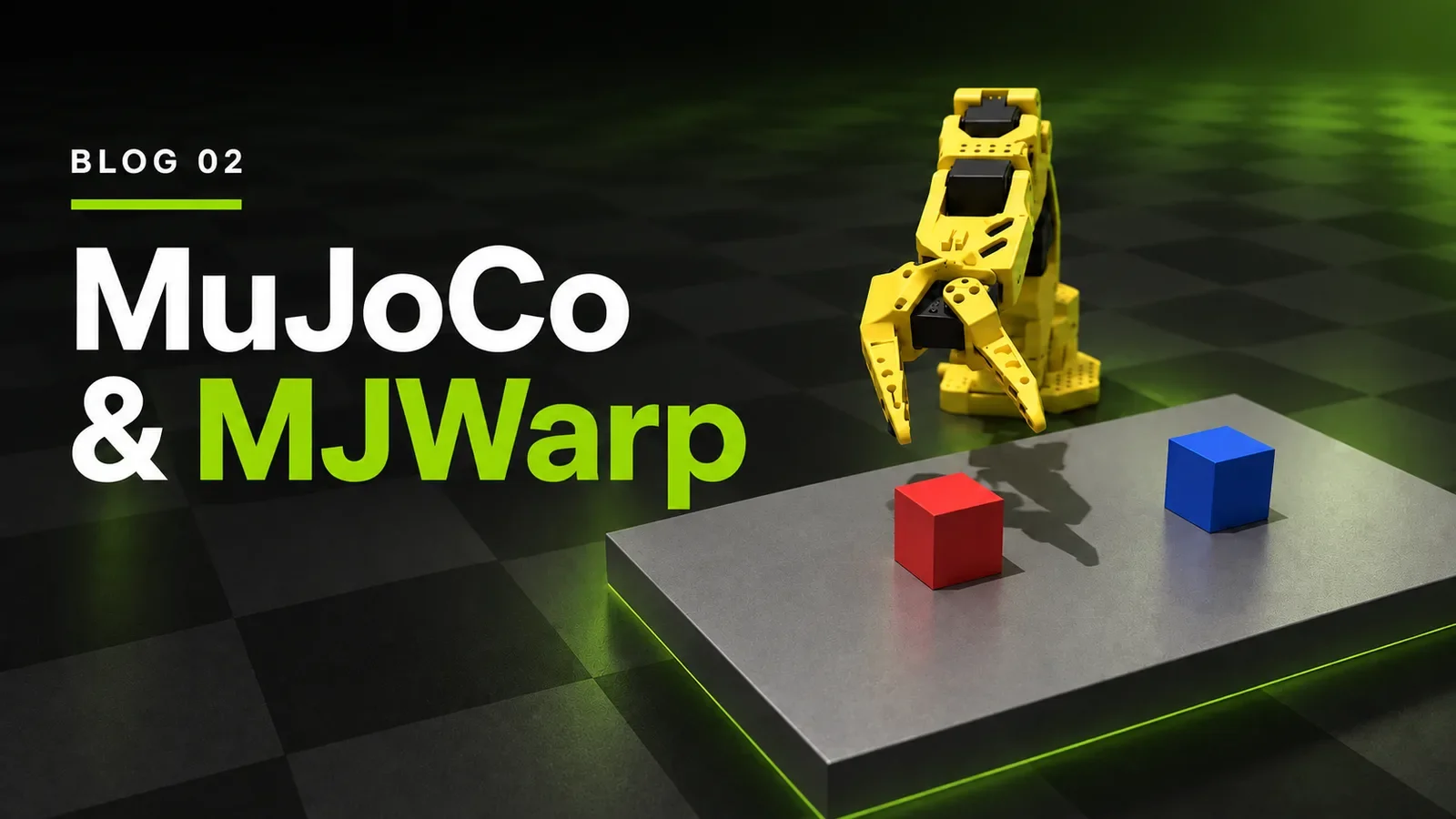
NVIDIA’s Warp and MuJoCo Warp can batch compatible robot simulations on a GPU. The important engineering work is preserving task behavior, sizing resources, and measuring throughput without confusing queue time for completed physics.
NVIDIA’s 100M-parameter Nemotron 3 Diarization model supports offline and streaming processing for as many as eight speakers. Its release also shows why teams must evaluate attribution, latency and transcription as separate concerns.
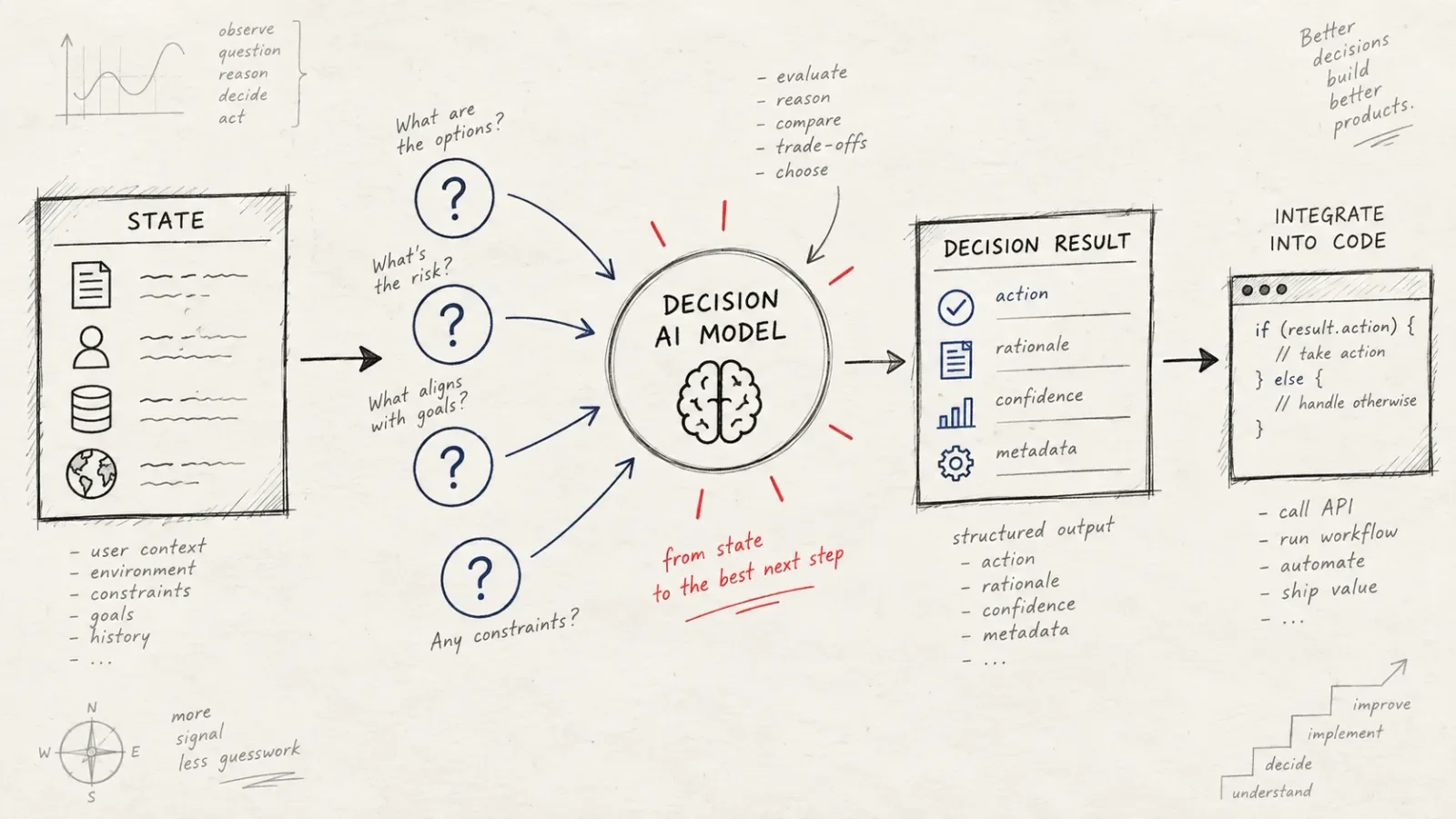
Jev turns bounded questions about text or structured state into typed signals. The harder engineering work is defining answer spaces, evaluation sets, escalation rules, and application-owned safeguards around those signals.
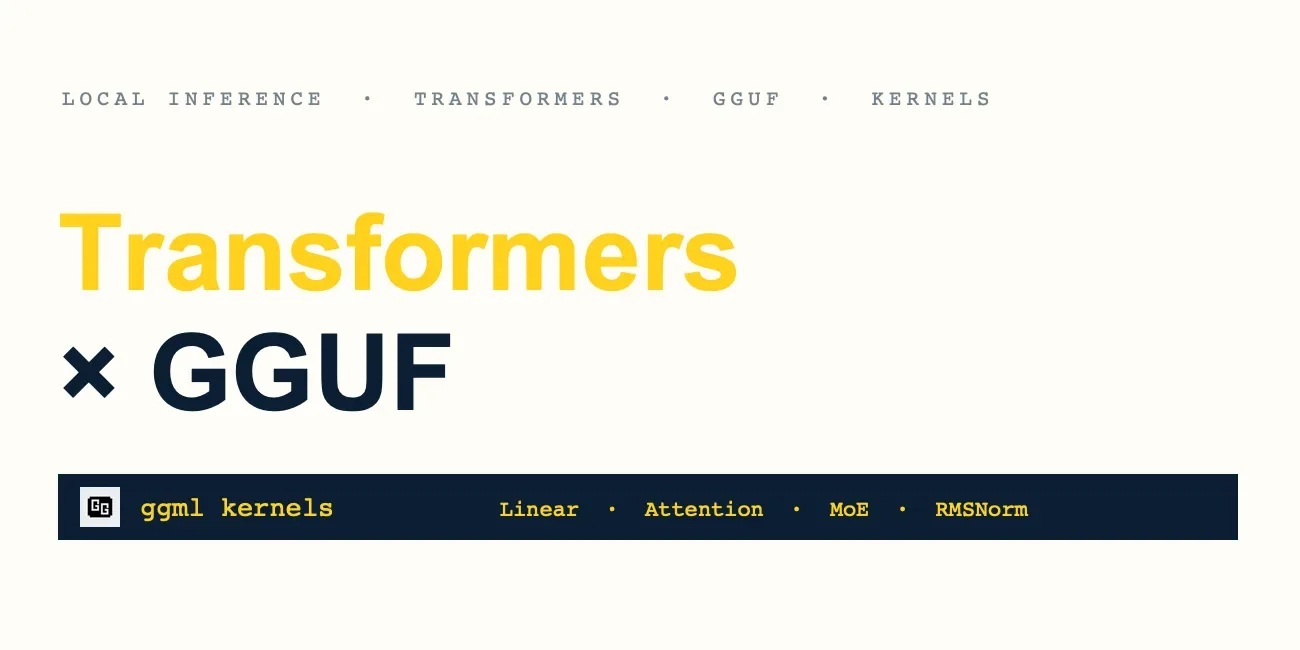
Native GGUF loading brings compact local checkpoints into familiar Transformers workflows, but hardware, kernel, architecture, and memory constraints still determine whether the packed path is the right choice.
oMLX maintainer Jun Kim is joining Hugging Face while continuing to lead the Apache-2.0 project. The move matters less as a change of ownership than as a test of how sustained maintenance can strengthen the wider MLX ecosystem.
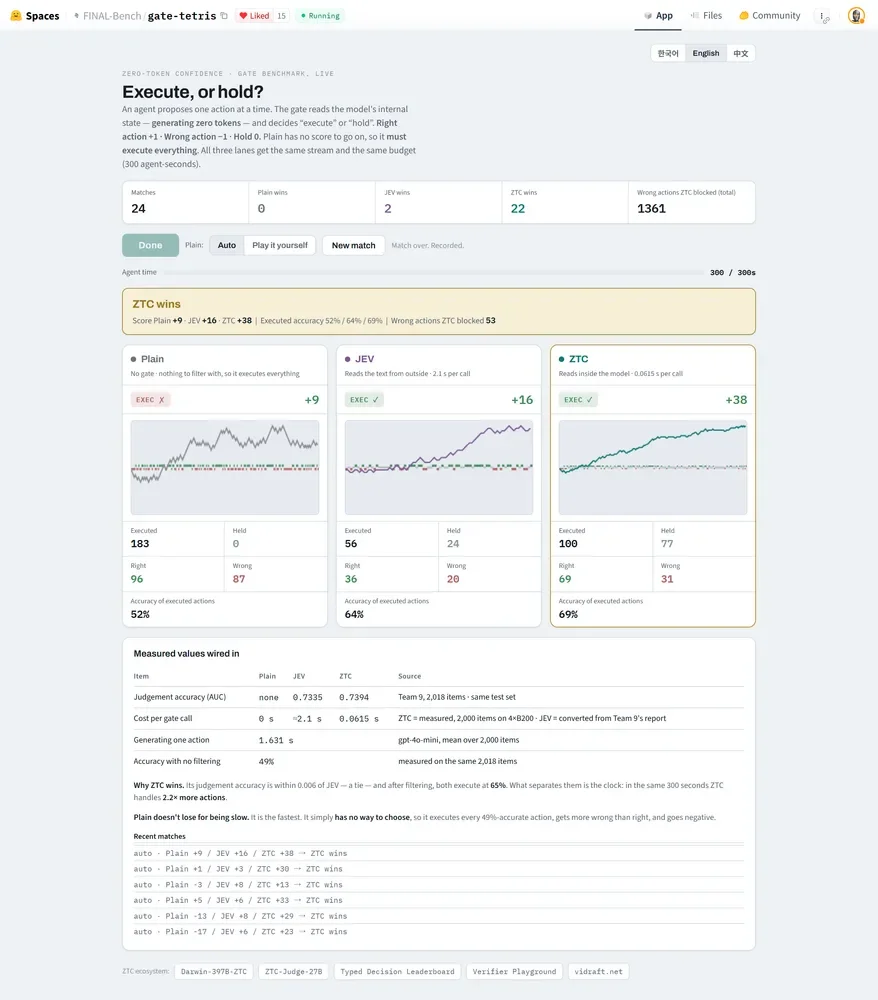
FINAL-Bench introduces Zero-Token Confidence, a calibrated probe that estimates answer correctness from a model's hidden state without generating verification tokens. The release raises useful questions about calibration, transfer, and how teams should test low-cost gates before putting them in an agent loop.
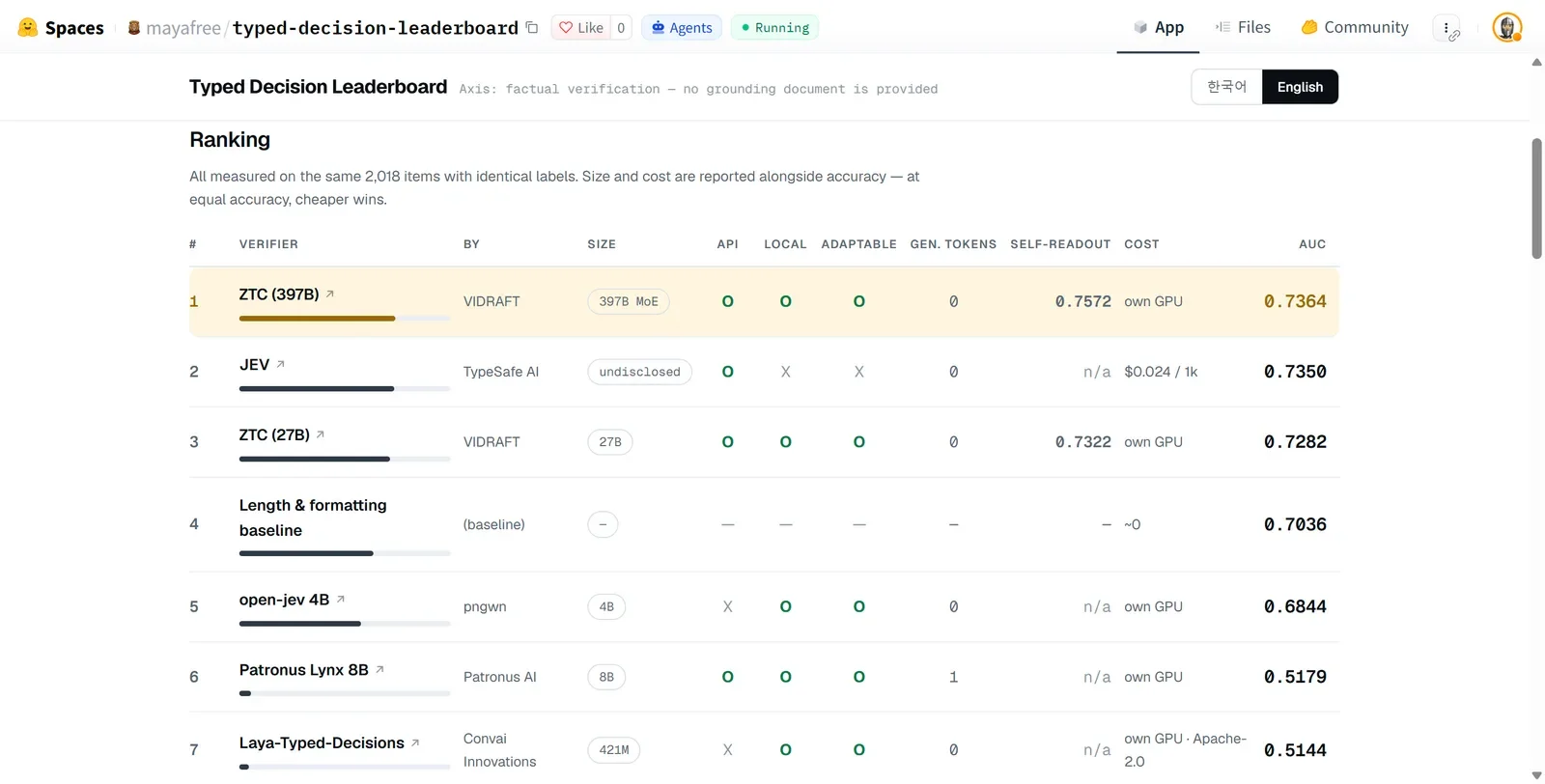
A shared comparison of typed decision models shows why answer-verification systems should be evaluated against simple baselines, deployment thresholds, and the downstream cost of unnecessary retries.
Layer-Feedback Transformer reuses neighboring blocks to perform more sequential transformations without adding parameters. Its controlled experiments are promising at two tested scales, but the design spends substantially more computation and still needs a compute-matched comparison.
Article·5 min
Explore releases and guides from 2024 onward. Dates refer to the original announcements; each article also shows when our coverage was published. How we cover the ecosystem ↗
 Article·5 min