BotPsy targets local function calling with a compact 0.8B-parameter model. Its reported results are promising, but the most useful lesson is how to scope, test, and contain small agents before giving them access to real tools.
Organizations can now route Hugging Face Hub subscriptions, compute, and storage charges through an existing Google Cloud billing account, simplifying procurement while preserving usage controls and audit trails.
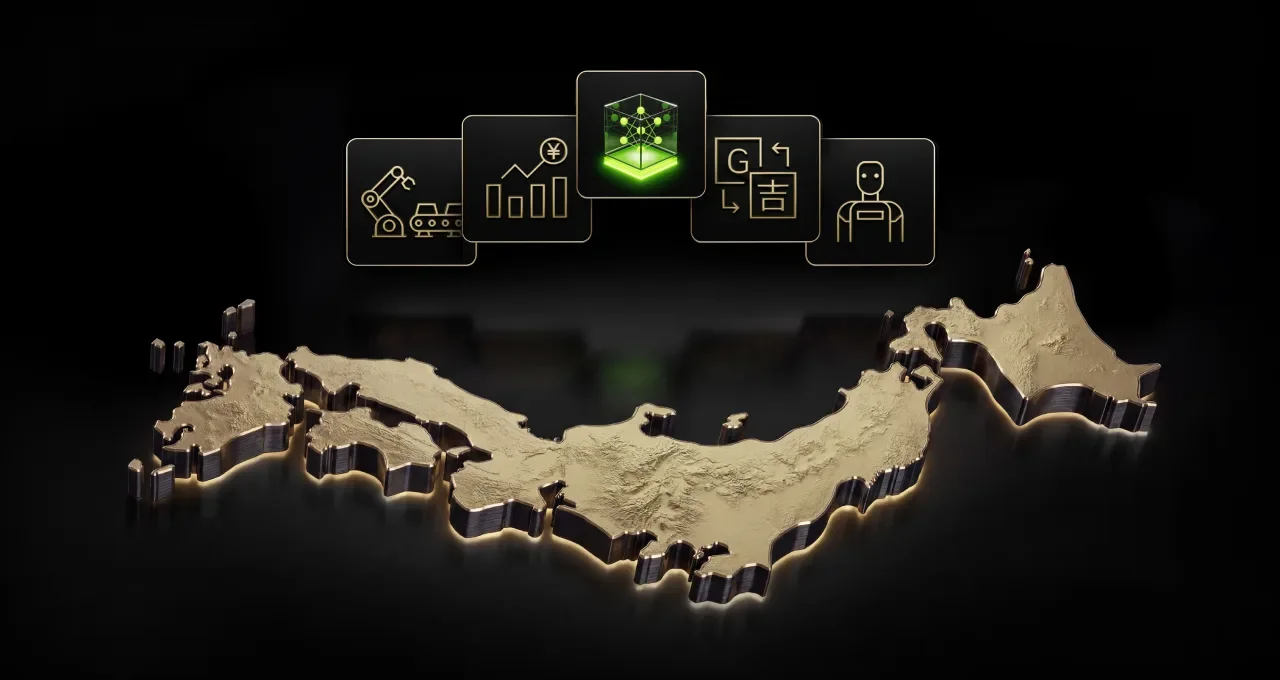
NVIDIA and Elith's Japan-focused synthetic persona release offers broad demographic and financial context. Its real value depends on disciplined validation, scenario design, and privacy controls.
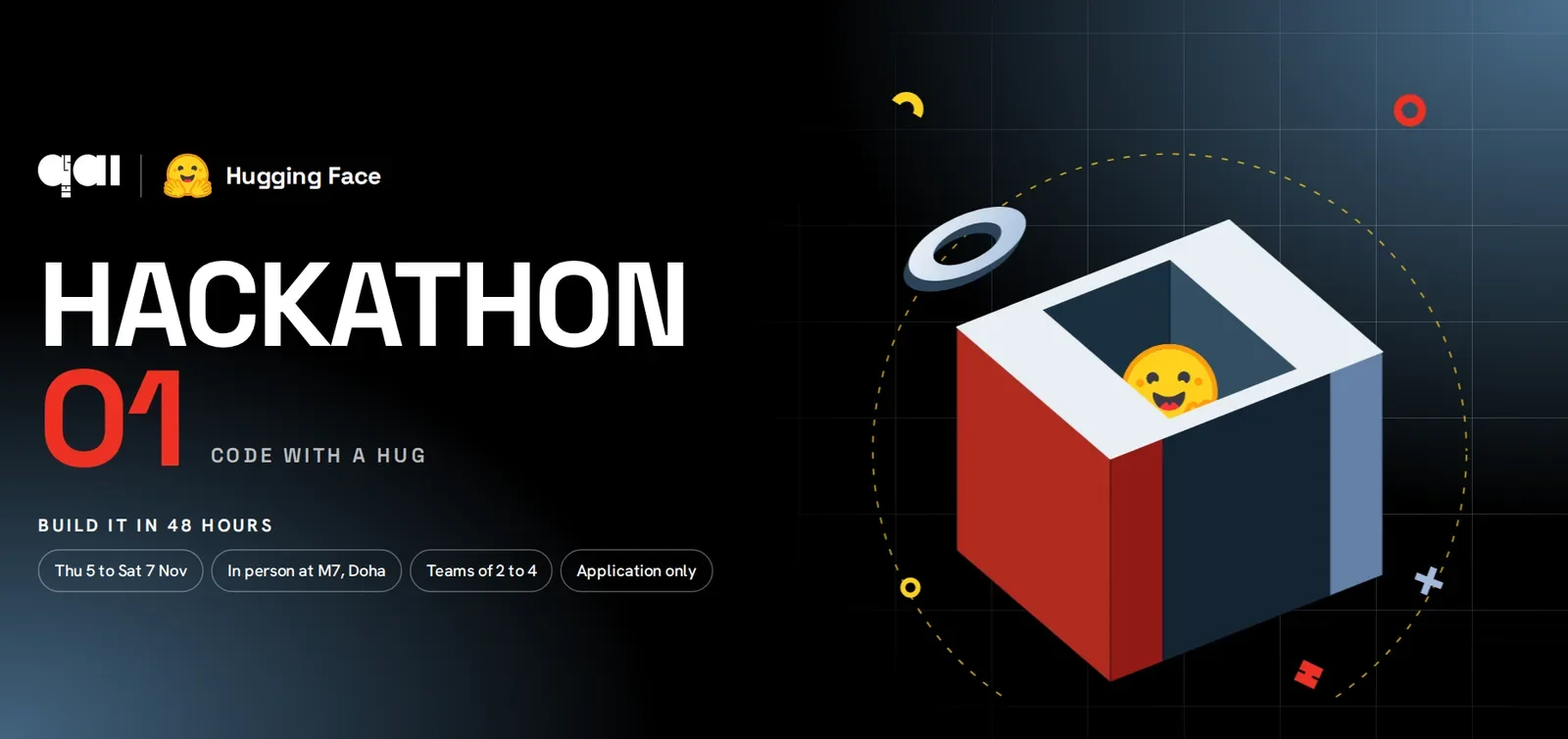
A Doha hackathon offers a practical blueprint for turning broad AI enthusiasm into locally grounded prototypes, while highlighting the evaluation questions that matter after demo day.
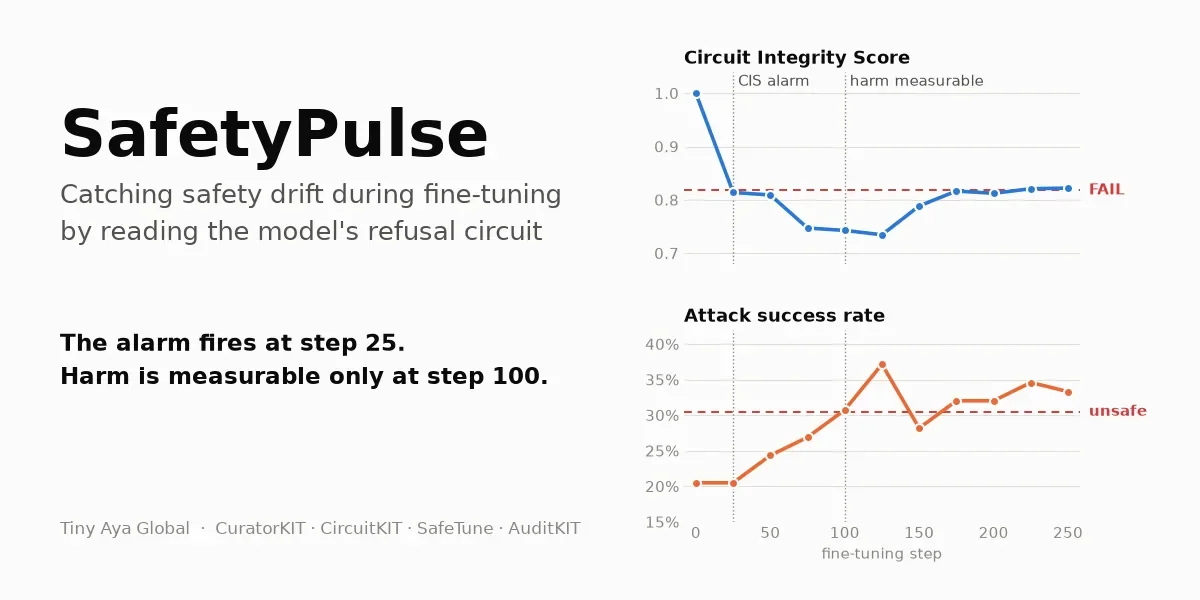
SafetyPulse proposes monitoring a model’s refusal circuit throughout fine-tuning, then using an audited low-rank rollback when benign adaptation weakens safety behavior.
MOSS-Live frames real-time assistants as two coordinated systems: a conversational foreground that keeps listening and a background that completes longer tasks. Here is how to evaluate that design beyond a smooth demo.
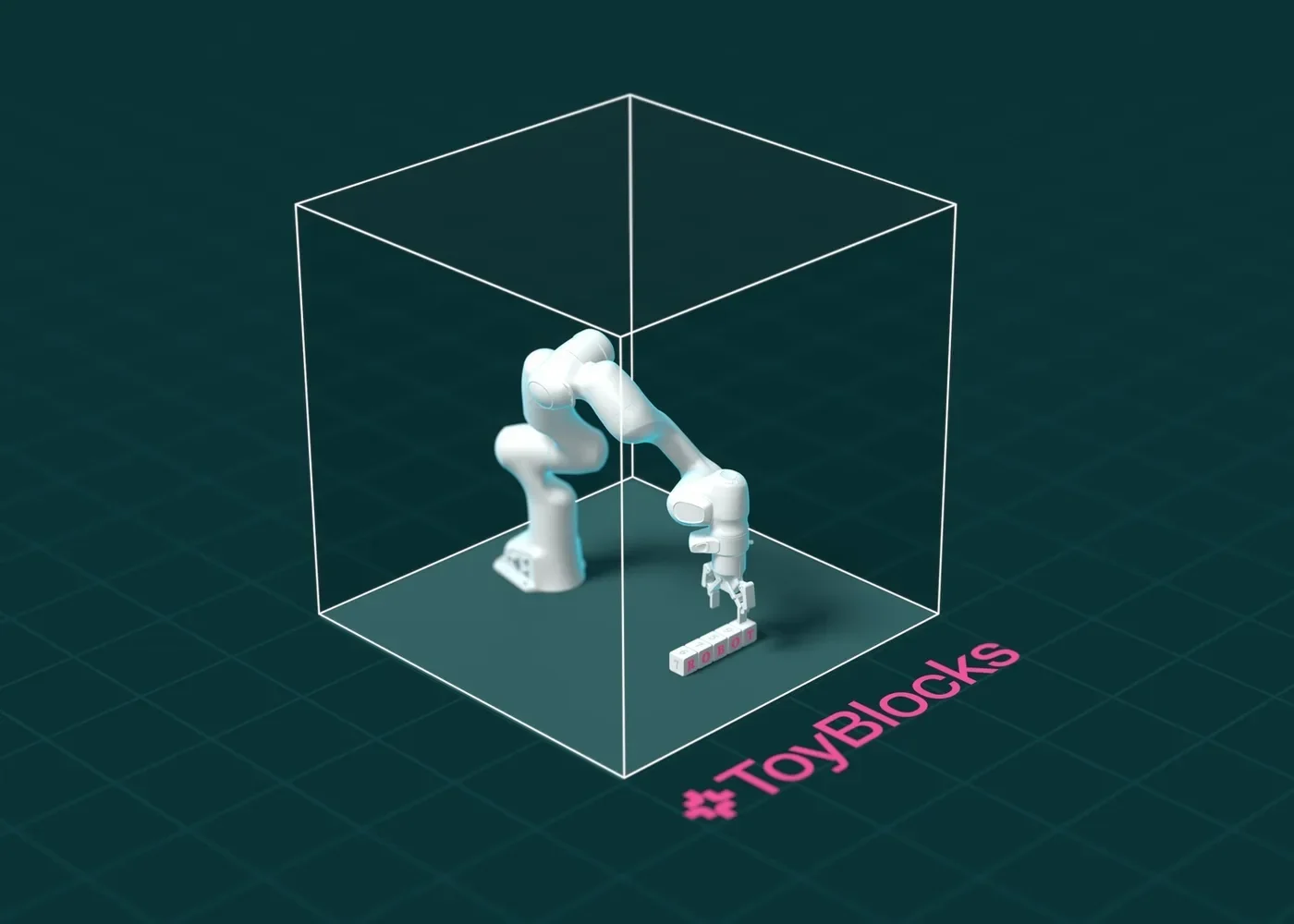
Ai2’s ToyBlocks framework uses a deliberately constrained tabletop world to generate demonstrations, separate planning from control, and expose where robot-learning systems fail to generalize.
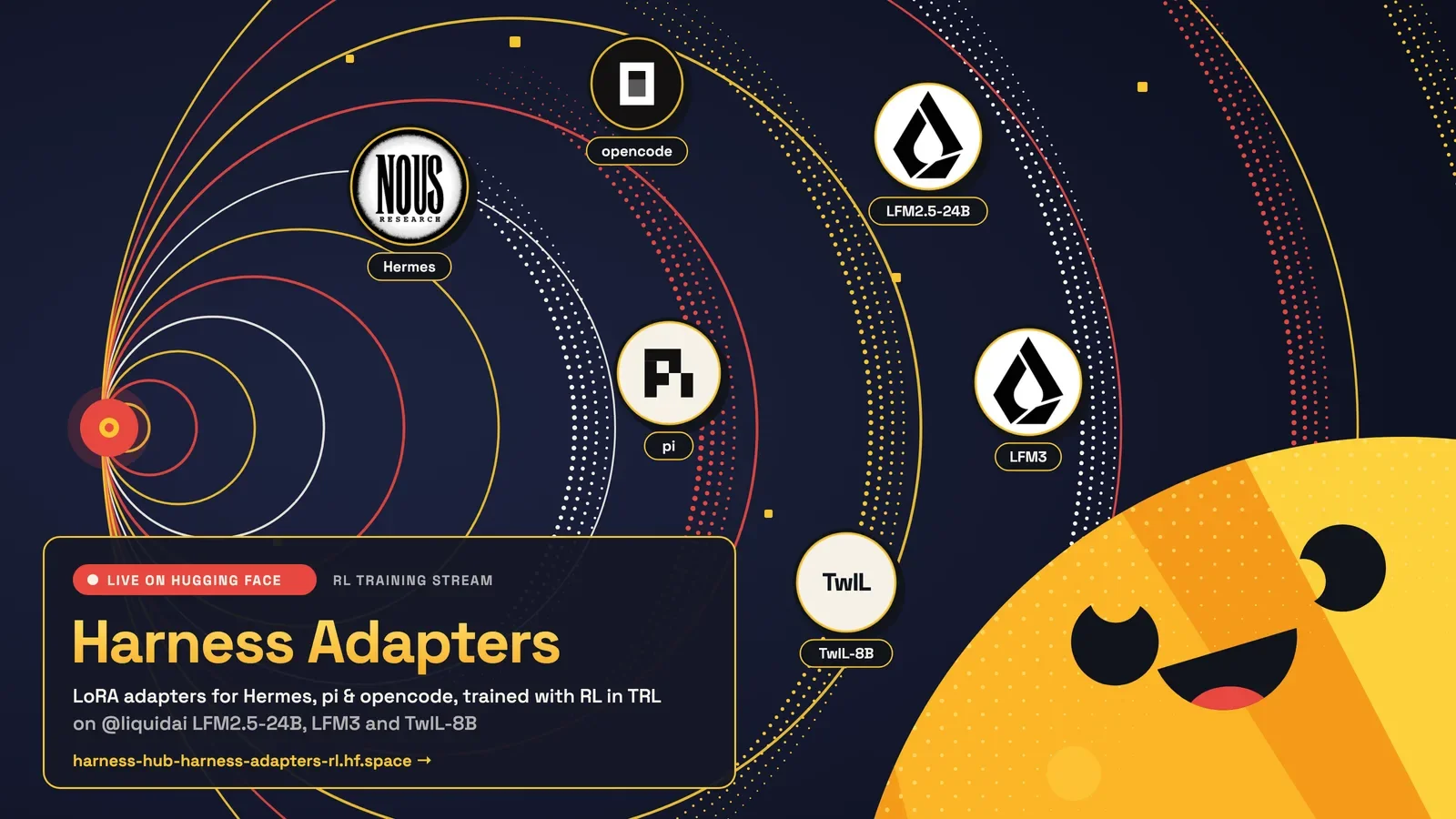
A new harness-adapter recipe trains compact LoRA policies inside three coding-agent runtimes, combines verifiable tasks with tool-call safeguards, and exposes the practical tradeoffs behind more efficient local agents.
The Open ASR Leaderboard has added private conversational speech for Egyptian and Nigerian English. The update is small in hours but important in method: it makes accent coverage visible while limiting optimization against public test audio.
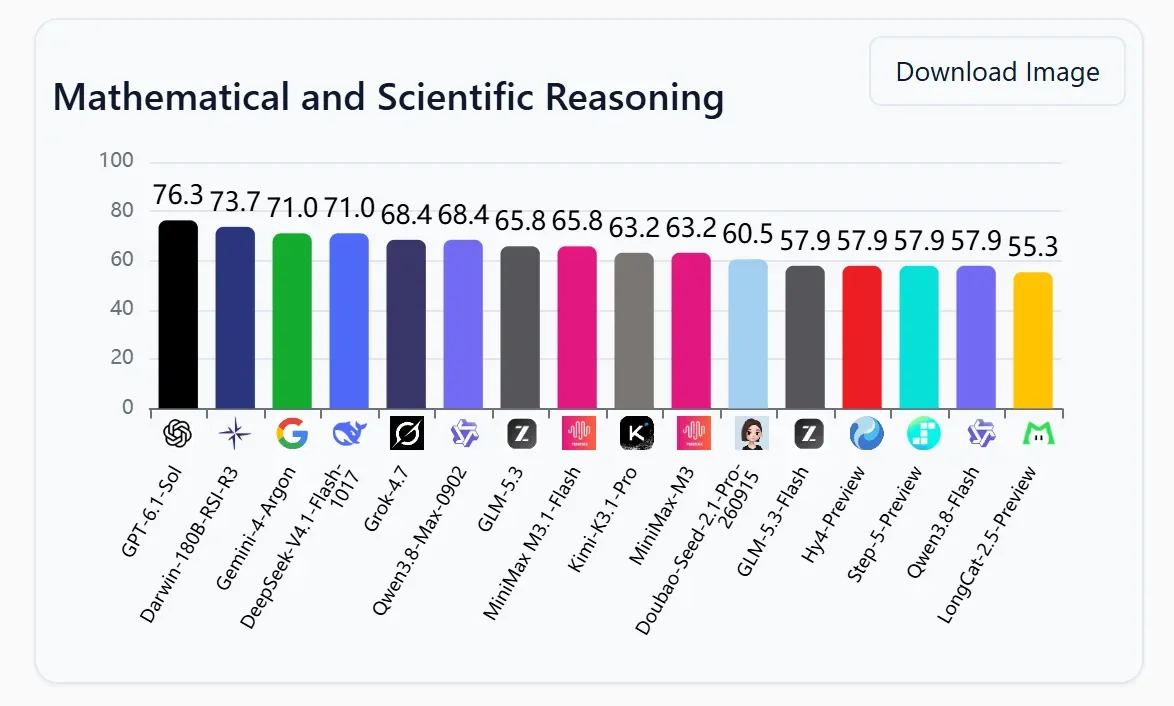
SuperCLUE’s November table has different leaders for coding, reasoning, hallucination control, instruction following, and long context. The useful lesson is not a universal winner, but a better way to build workload-specific model trials.
Article·6 min
Explore releases and guides from 2024 onward. Dates refer to the original announcements; each article also shows when our coverage was published. How we cover the ecosystem ↗
 Article·6 min