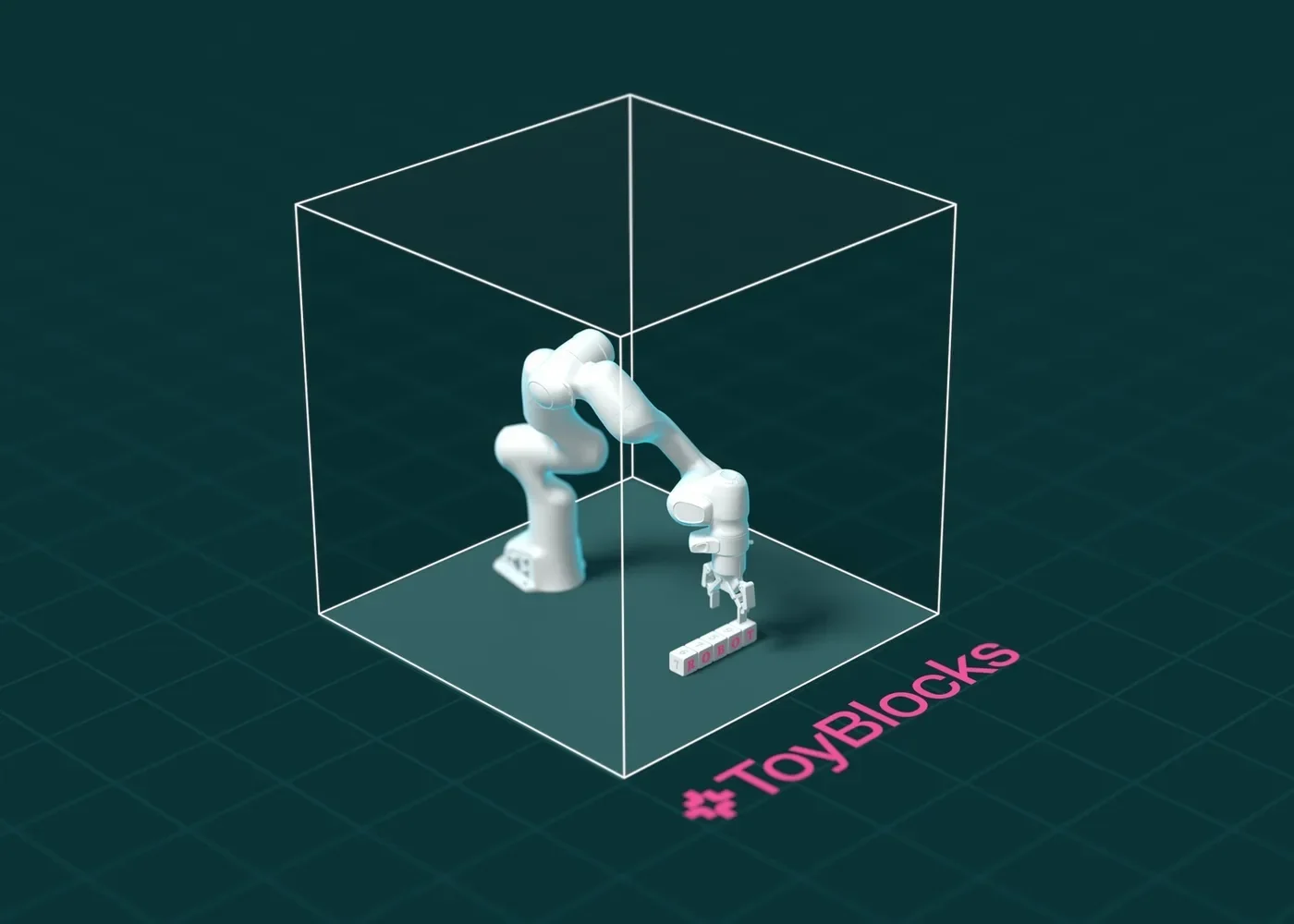
Ai2’s ToyBlocks framework uses a deliberately constrained tabletop world to generate demonstrations, separate planning from control, and expose where robot-learning systems fail to generalize.
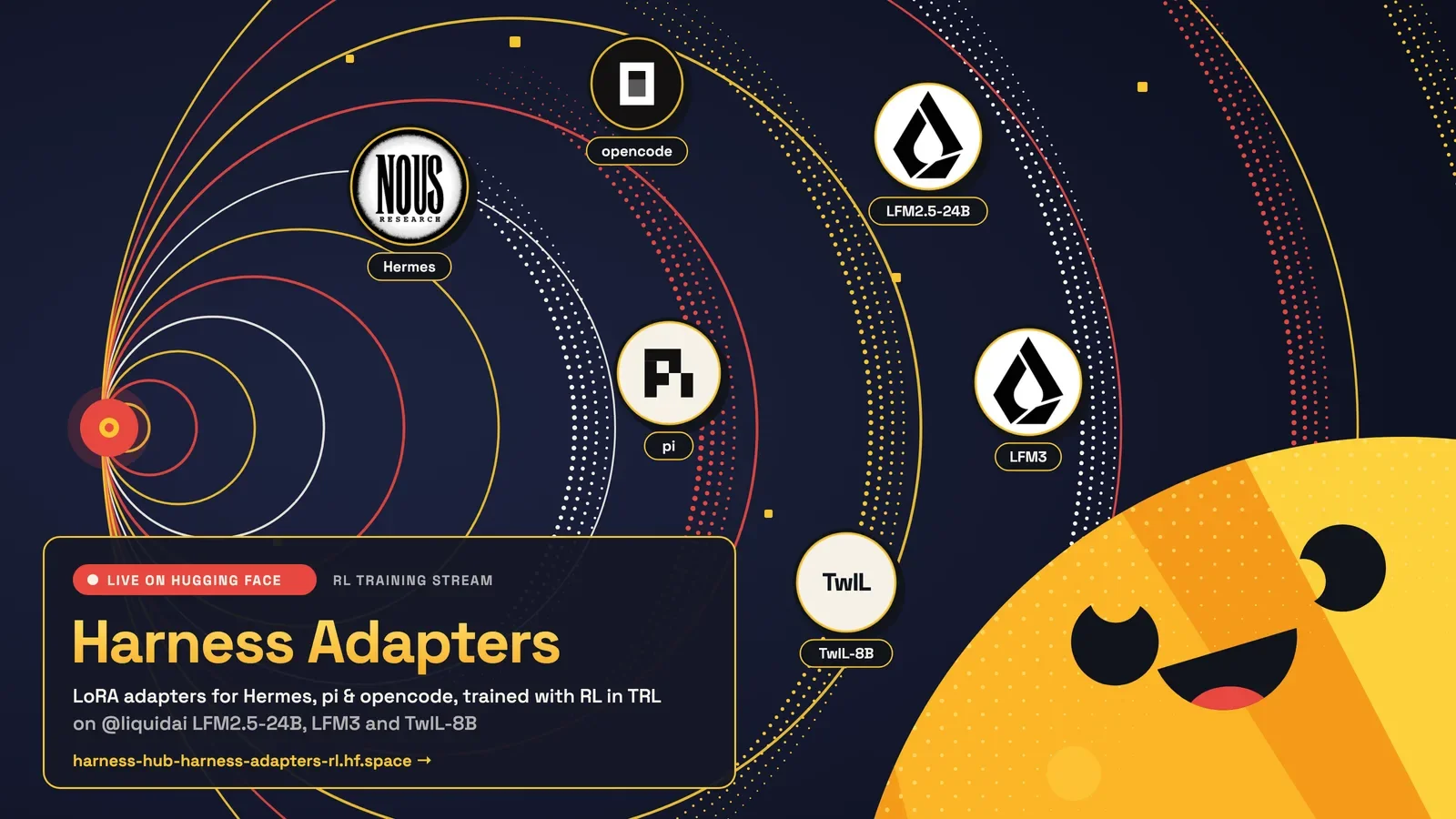
A new harness-adapter recipe trains compact LoRA policies inside three coding-agent runtimes, combines verifiable tasks with tool-call safeguards, and exposes the practical tradeoffs behind more efficient local agents.
The Open ASR Leaderboard has added private conversational speech for Egyptian and Nigerian English. The update is small in hours but important in method: it makes accent coverage visible while limiting optimization against public test audio.
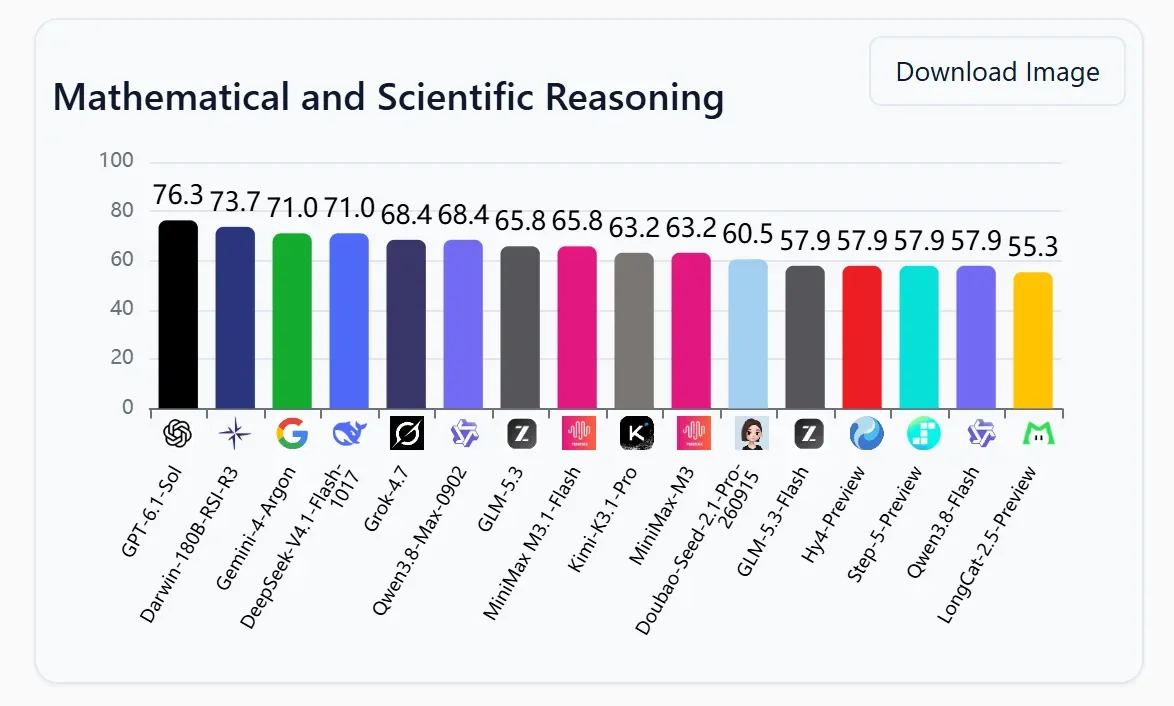
SuperCLUE’s November table has different leaders for coding, reasoning, hallucination control, instruction following, and long context. The useful lesson is not a universal winner, but a better way to build workload-specific model trials.
LeRobot 0.7 links streamed datasets, distributed training, remote inference, and language-guided rollouts into one robotics workflow. Here is how to evaluate the new stack without confusing integration breadth with proven performance.
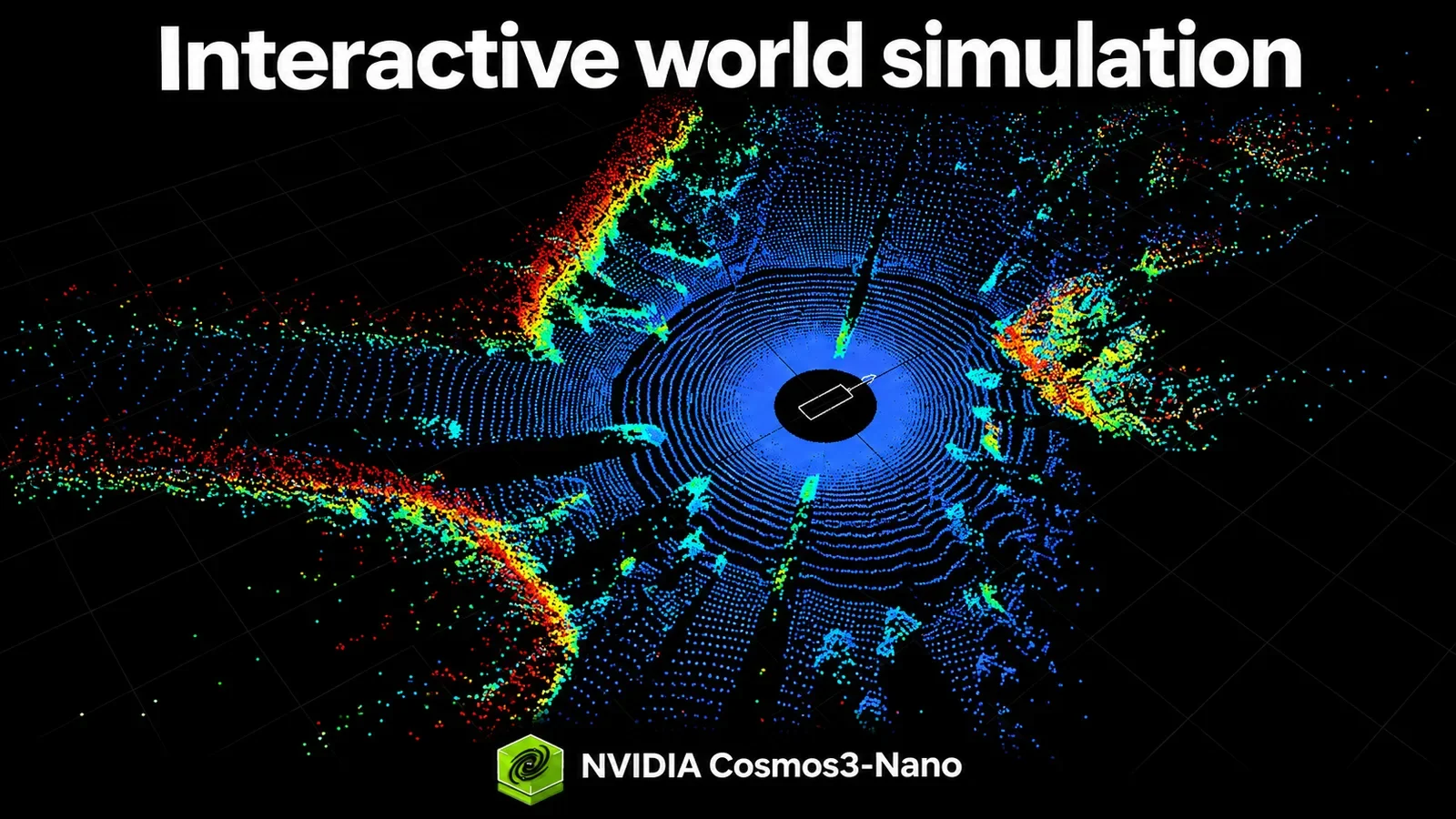
NVIDIA’s four Cosmos 3 Nano checkpoints cover driving, simulator rendering, and bimanual robotics. The useful question is not which demo looks best, but which model boundary matches the decision loop you need to evaluate.
Phonon's small, multilingual text-to-speech models shift the deployment question from raw model quality to a broader balance of latency, privacy, licensing, hardware coverage, and voice control.
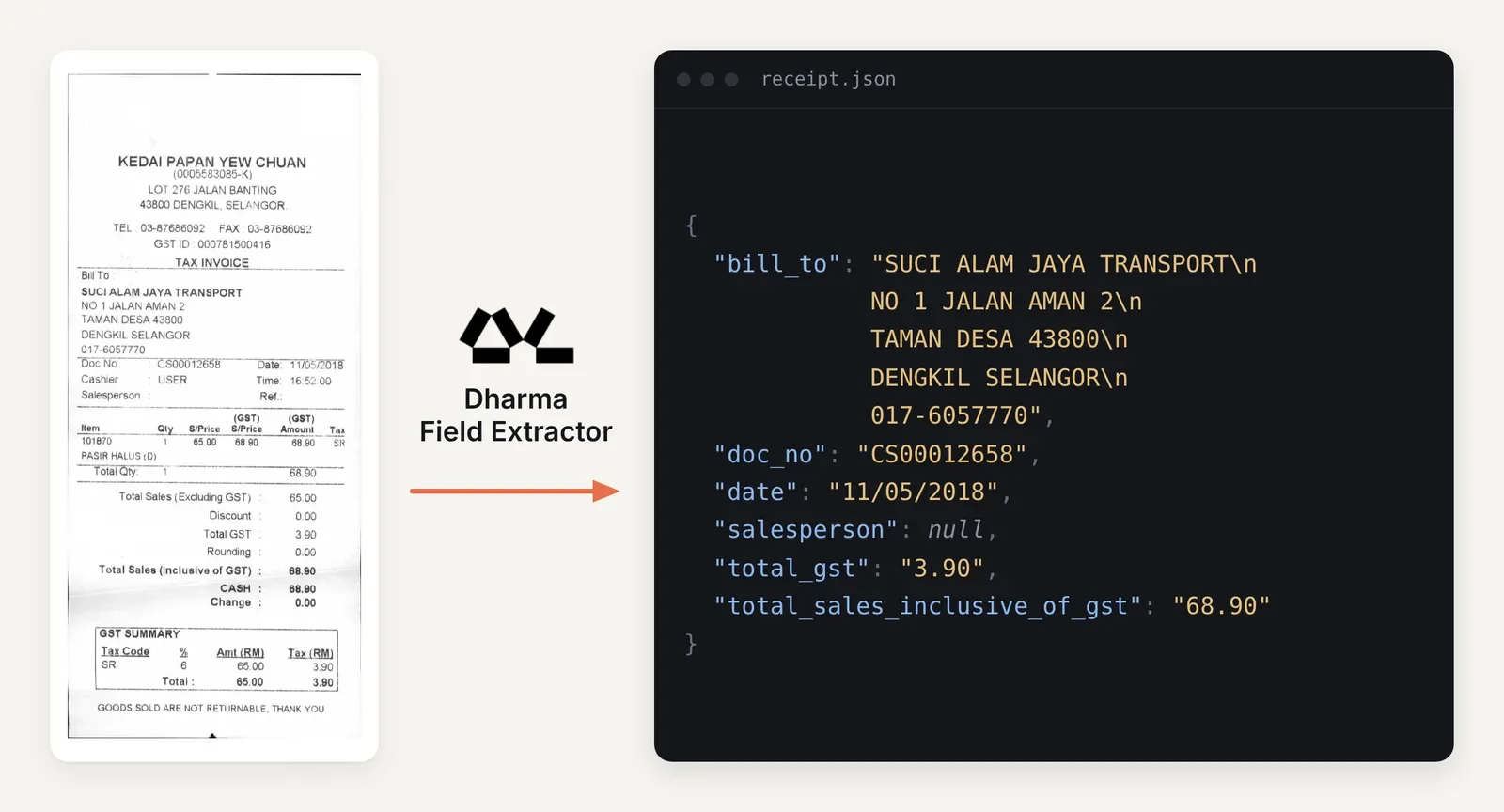
Dharma Field Extractor turns document images into typed JSON, illustrating how smaller specialized models can simplify extraction pipelines while leaving validation, abstention, and operational testing firmly in scope.
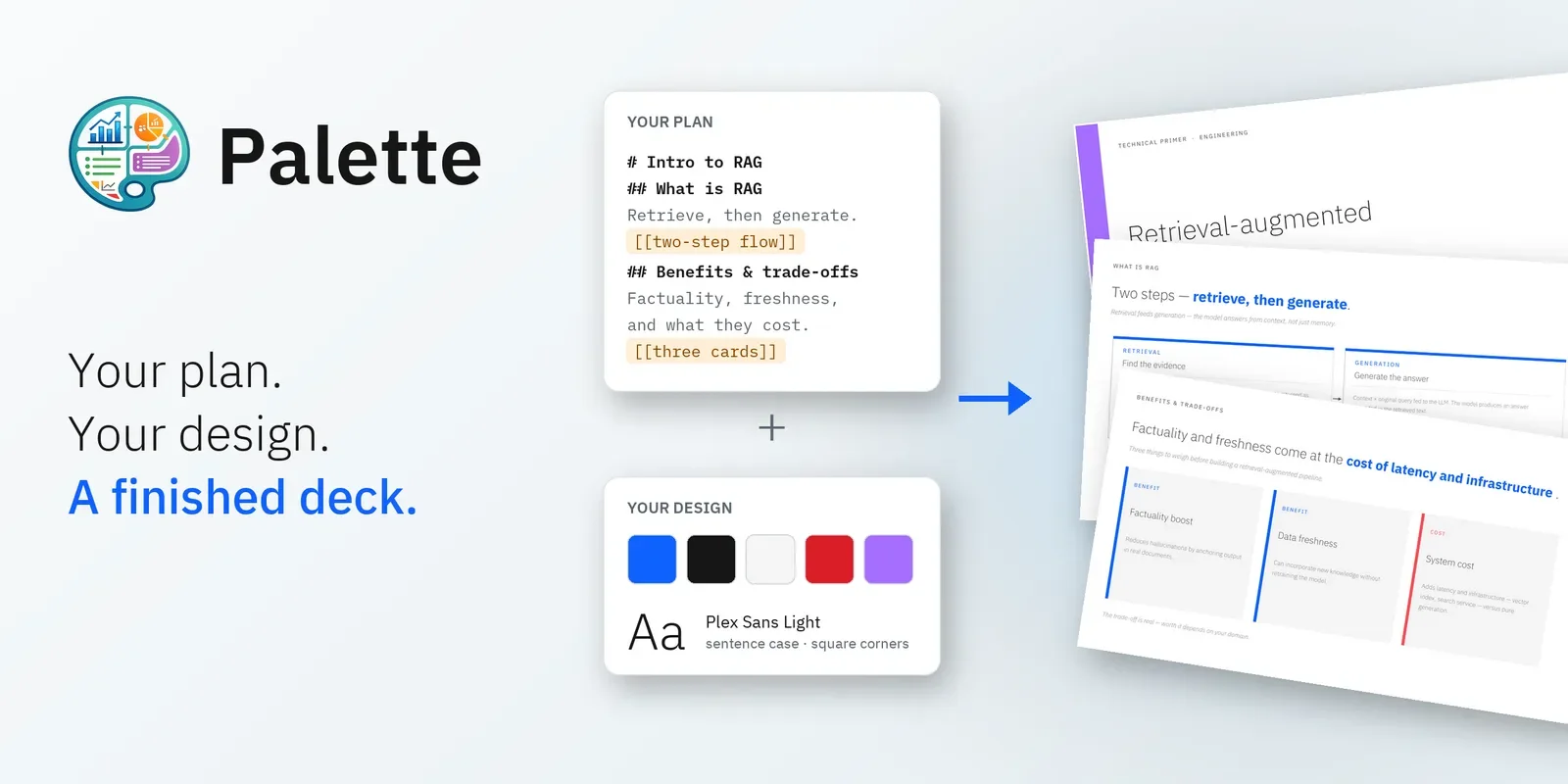
IBM Research’s Palette shows how a 20B open-weight model, structured planning, synthetic training data, and guarded repair can make brand-specific slide generation more controllable.
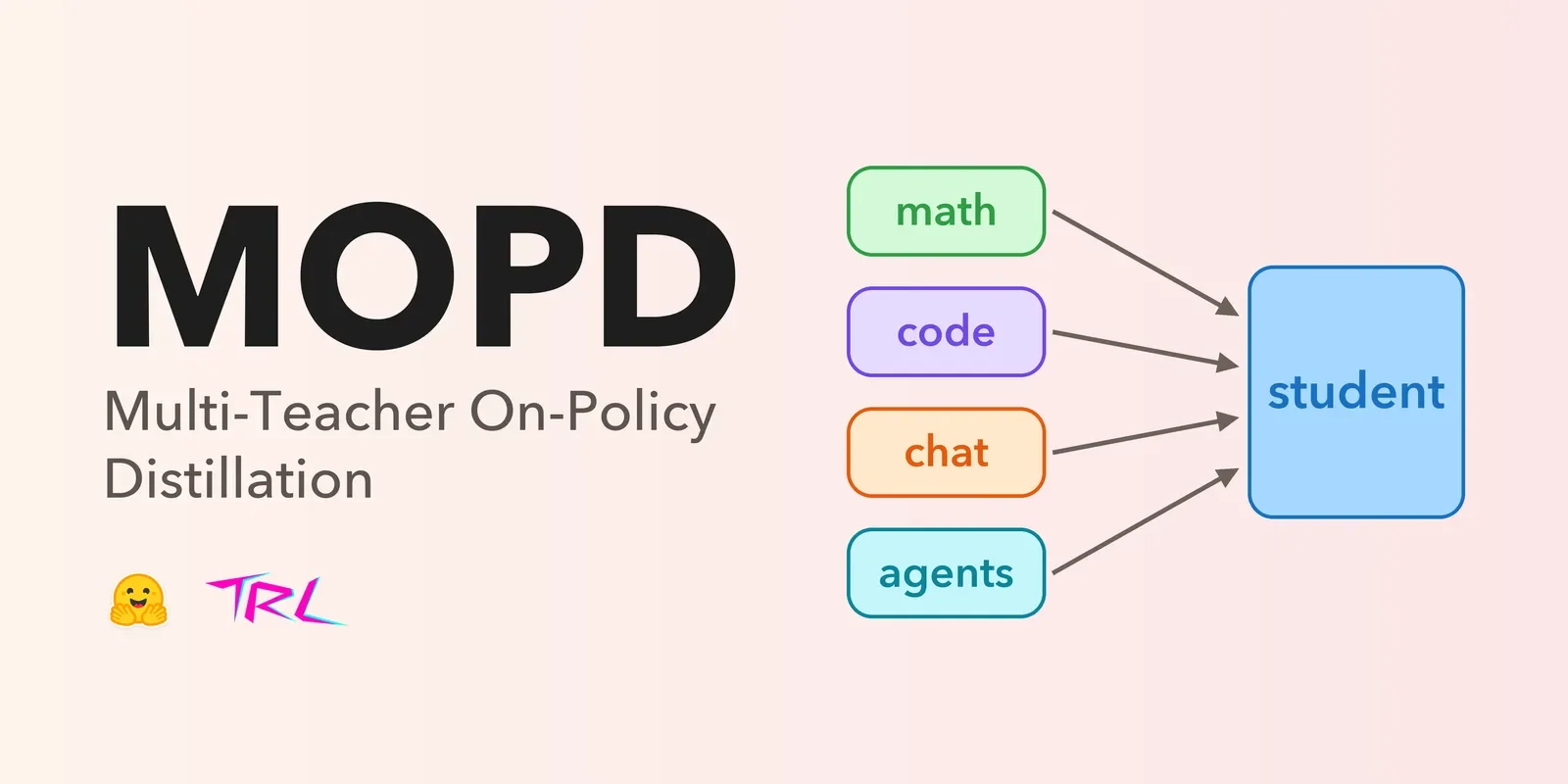
TRL now supports multi-teacher on-policy distillation through its asynchronous trainer, giving teams a practical route for combining domain specialists while exposing a crucial balancing problem: prompts are not the same thing as training tokens.
Article·6 min
Explore releases and guides from 2024 onward. Dates refer to the original announcements; each article also shows when our coverage was published. How we cover the ecosystem ↗
 Article·6 min