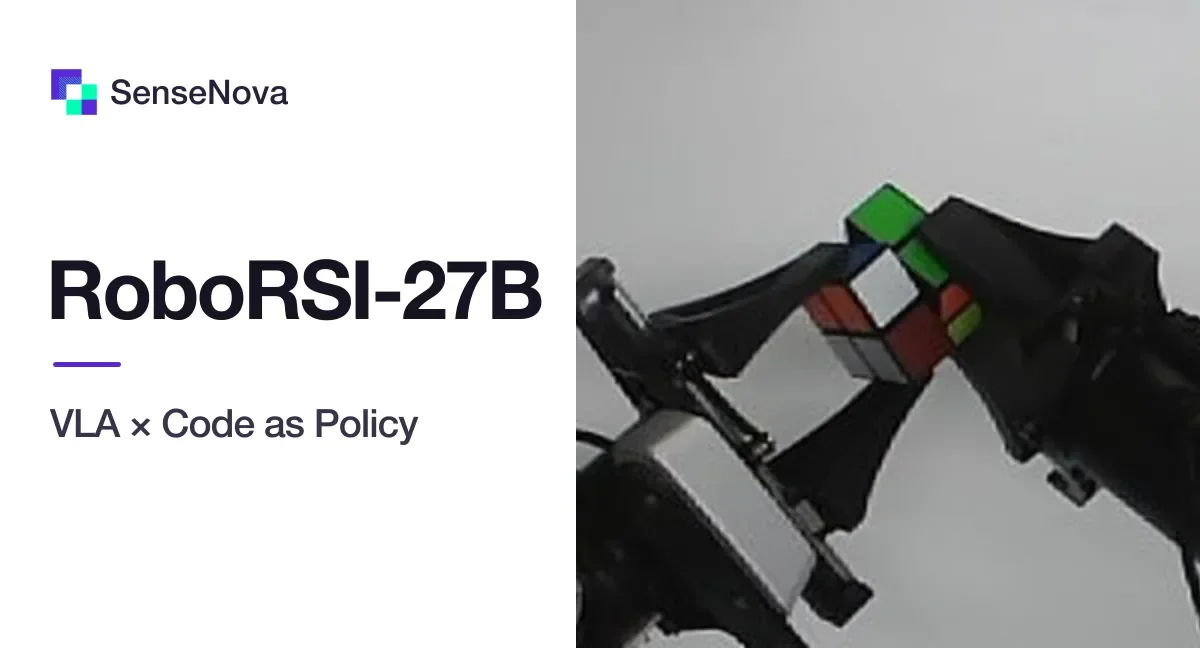
SenseNova-RoboRSI pairs a vision-language-action policy with programmatic motion control, illustrating how robot agents can separate fluid movement from precise correction and recovery.
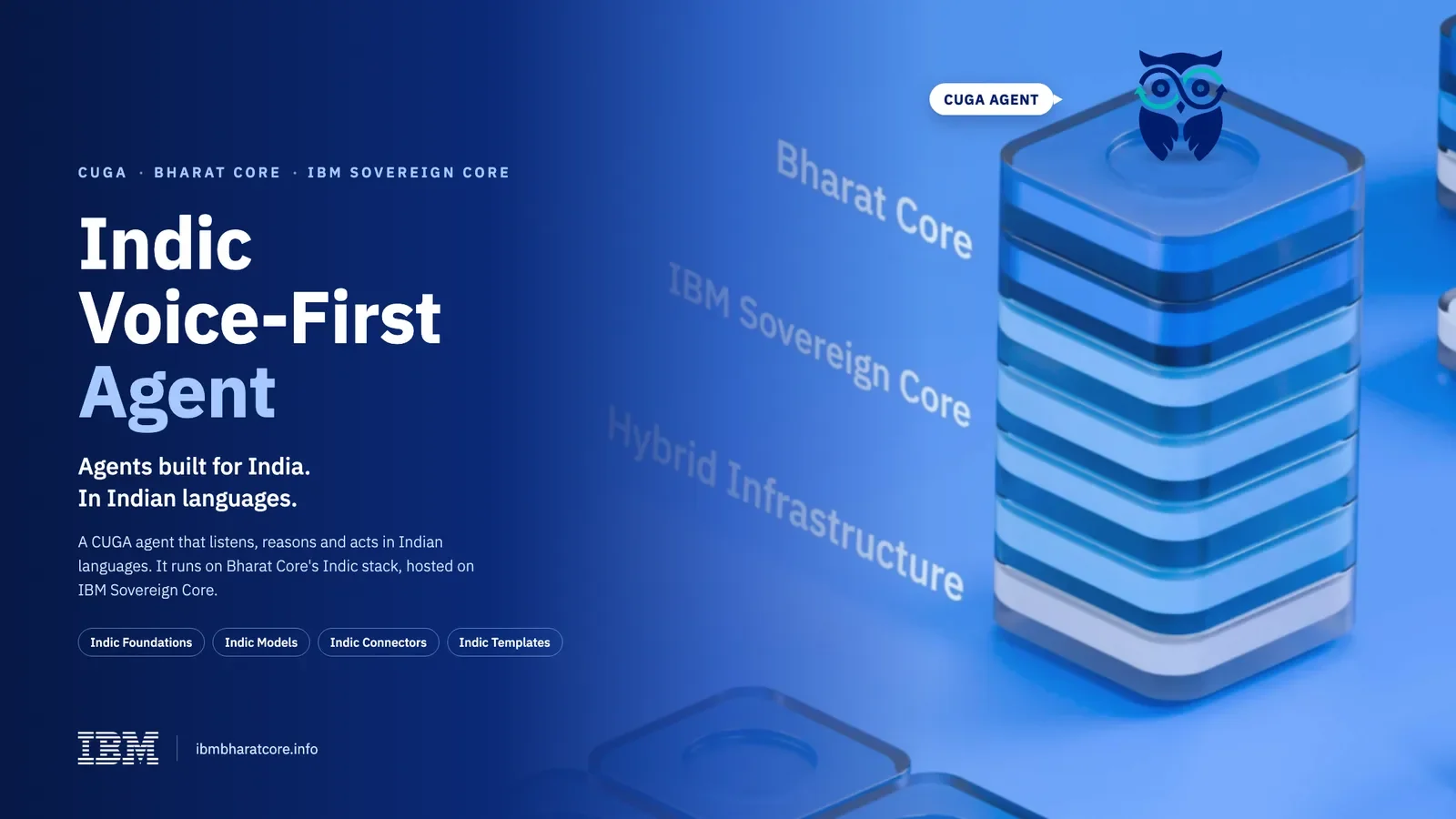
IBM Research's CUGA farming assistant shows that voice is only the interface layer. The decisive engineering work lies in cross-lingual retrieval, grounded answers, spoken-output design, and testable safety boundaries.
A study of looped language models separates current-token refinement from the value of deeper KV states, then uses that distinction to overlap recurrent work across decoding steps.
Wonder Agent turns a local Gemma pipeline into a useful design case study: optimize the child’s complete interaction, treat offline as a provisioning model, and validate every model-device combination rather than trusting conversion alone.
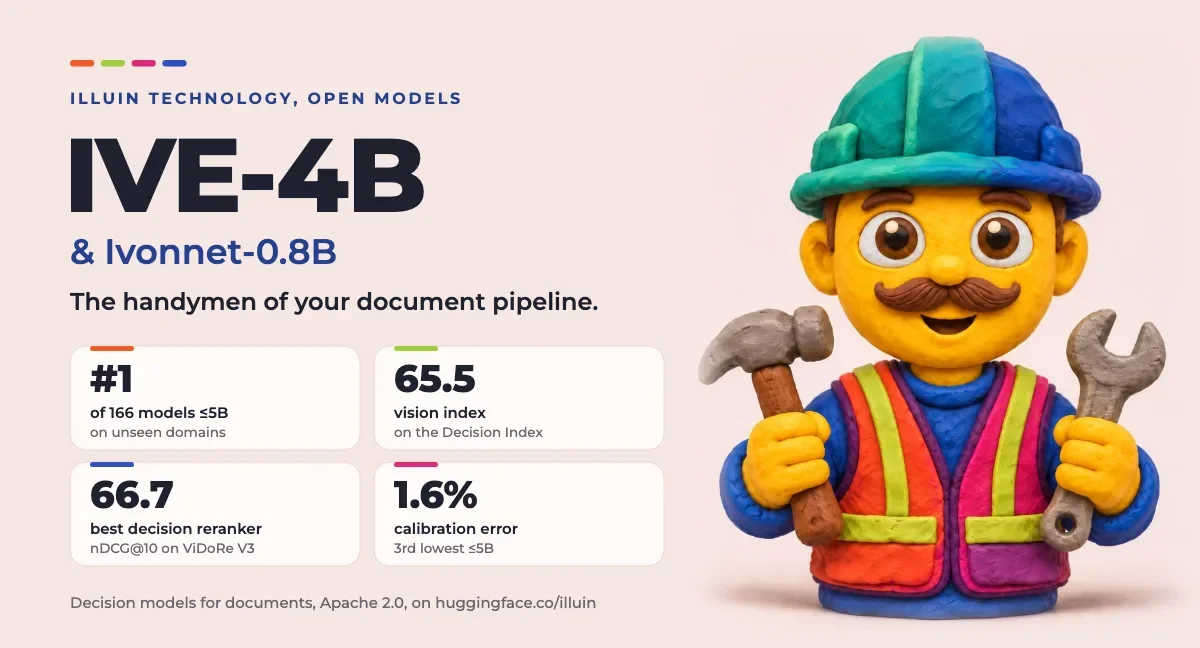
IVE-4B and Ivonnet-0.8B turn document tasks into scored choices rather than generated text. The design can simplify routing, extraction, and reranking, but deployment still requires threshold, calibration, and domain-shift tests.
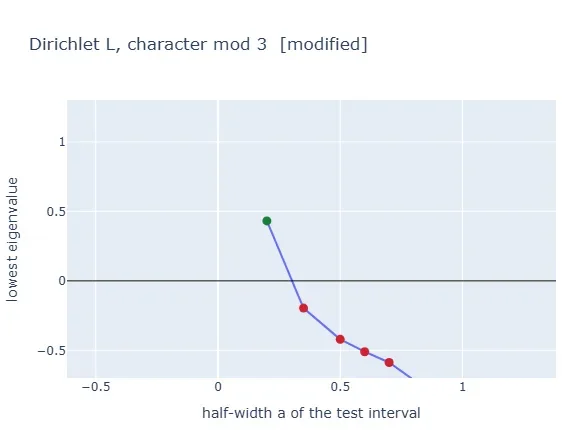
A new community-built Space turns Weil’s positivity criterion into an interactive spectral experiment. Here is how to read its eigenvalue results, controls, convergence checks, and important limits.
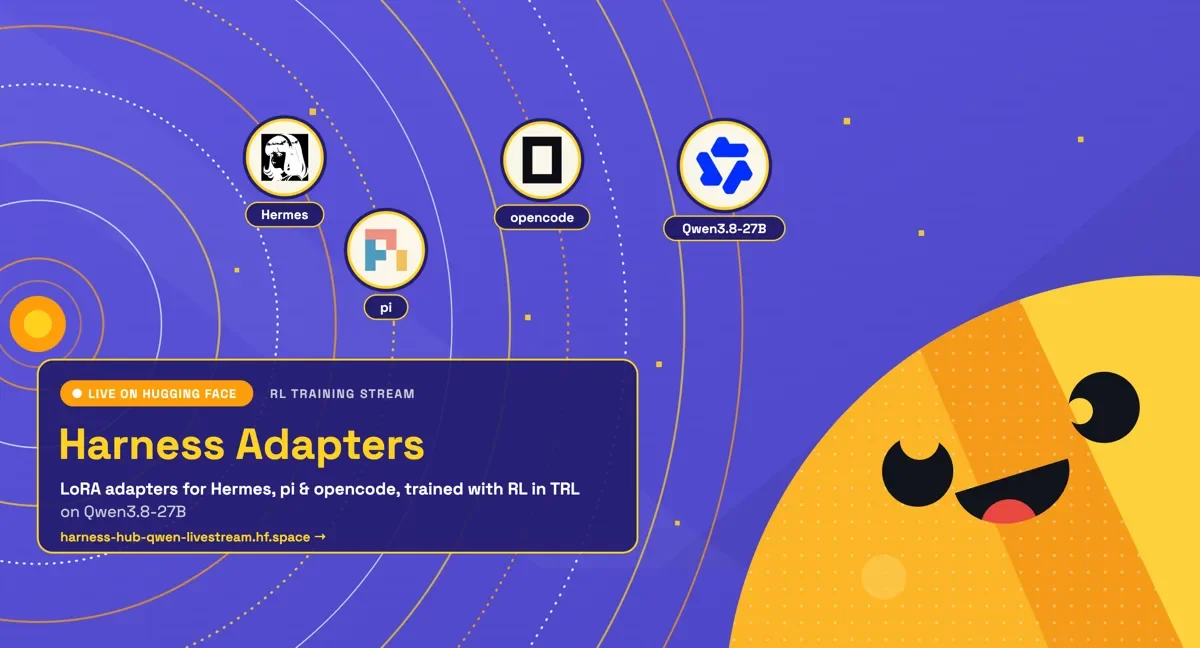
New harness adapters for Qwen3.8-27B show that reinforcement learning can improve both task success and tool efficiency when training matches the deployed agent loop. The harder question is how much of that gain survives a different harness, task mix, or reasoning mode.
Inkling 2 Mini uses a looped mixture-of-experts architecture to trade stored weights for repeated computation. Here is how to reason about that design, its deployment options, and the tests that matter before adopting it.
Metric-AI's Ayb 0.5 release offers three Armenian-adapted model sizes. The important story is not one leaderboard position, but a practical path for evaluating tokenization, language coverage, instruction following, and deployment tradeoffs.
OhanASR provides separate offline and streaming models for Armenian speech recognition. Its benchmark breakdown and stated limitations offer a practical starting point for choosing a model and designing an evaluation that reflects real audio.
Article·6 min
Explore releases and guides from 2024 onward. Dates refer to the original announcements; each article also shows when our coverage was published. How we cover the ecosystem ↗
 Article·6 min