Reflection's 501B-parameter Beam model pairs sparse expert routing with a one-million-token context window, but its real test is whether teams can turn open weights into an operable, measurable system.
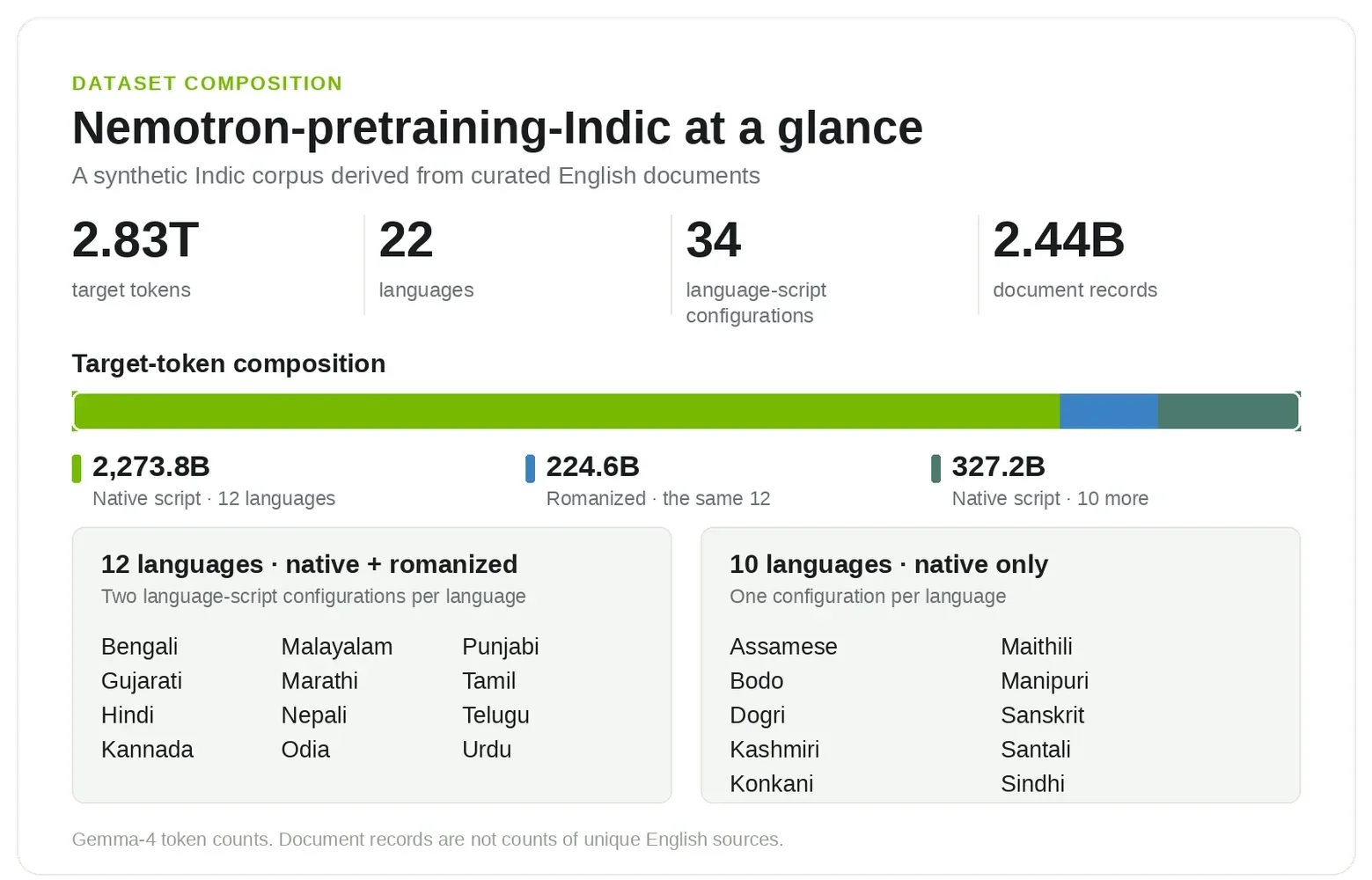
NVIDIA and AI4Bharat's forthcoming Indic corpus pairs broad language and script coverage with an open generation workflow. Its greatest value may be the ability to audit, adapt, and test the recipe—not merely the headline token count.
Meta's Muse Spark Open combines a very large mixture-of-experts model with text, image, audio, and video inputs. Its release is a useful case study in planning memory, context, routing, and evaluation as one deployment system.
Apertus 1.5 adds image and experimental audio understanding, optional reasoning, a 262K-token context window, and unusually detailed training and evaluation artifacts. Here is what those changes mean for teams assessing an open model.
A proposed Tokenizers optimization accelerates BERT-style normalization by fast-pathing ASCII, caching Unicode decisions, and delaying allocation—while highlighting why performance varies by script and input size.
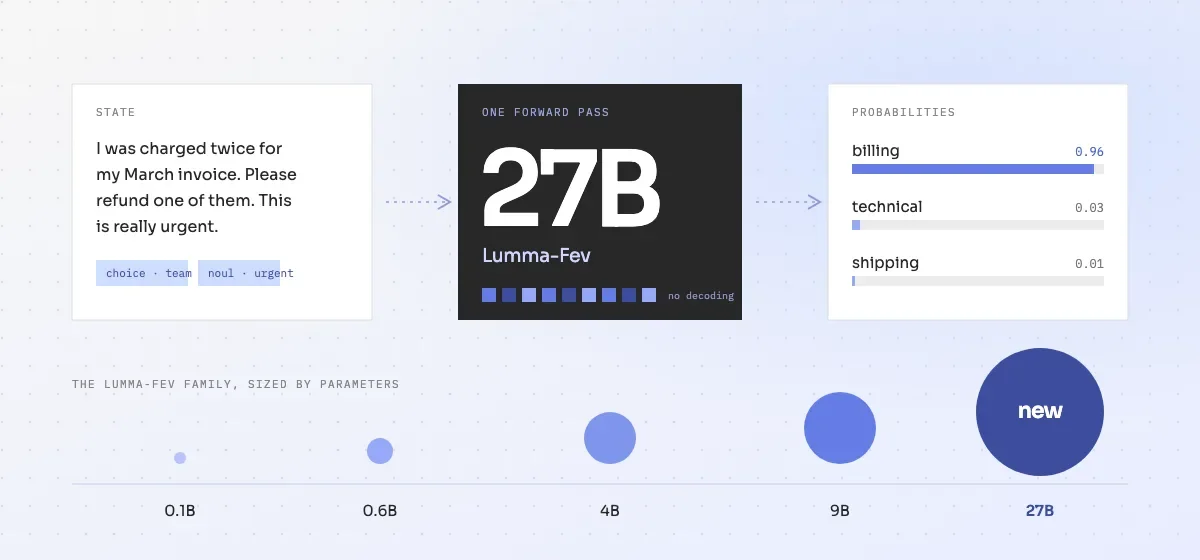
FrontiersMind’s 27B-parameter decision model returns choices and probabilities instead of generated labels. Here is how to assess its calibration, task fit, multilingual limits, and infrastructure cost before using it in an automated workflow.
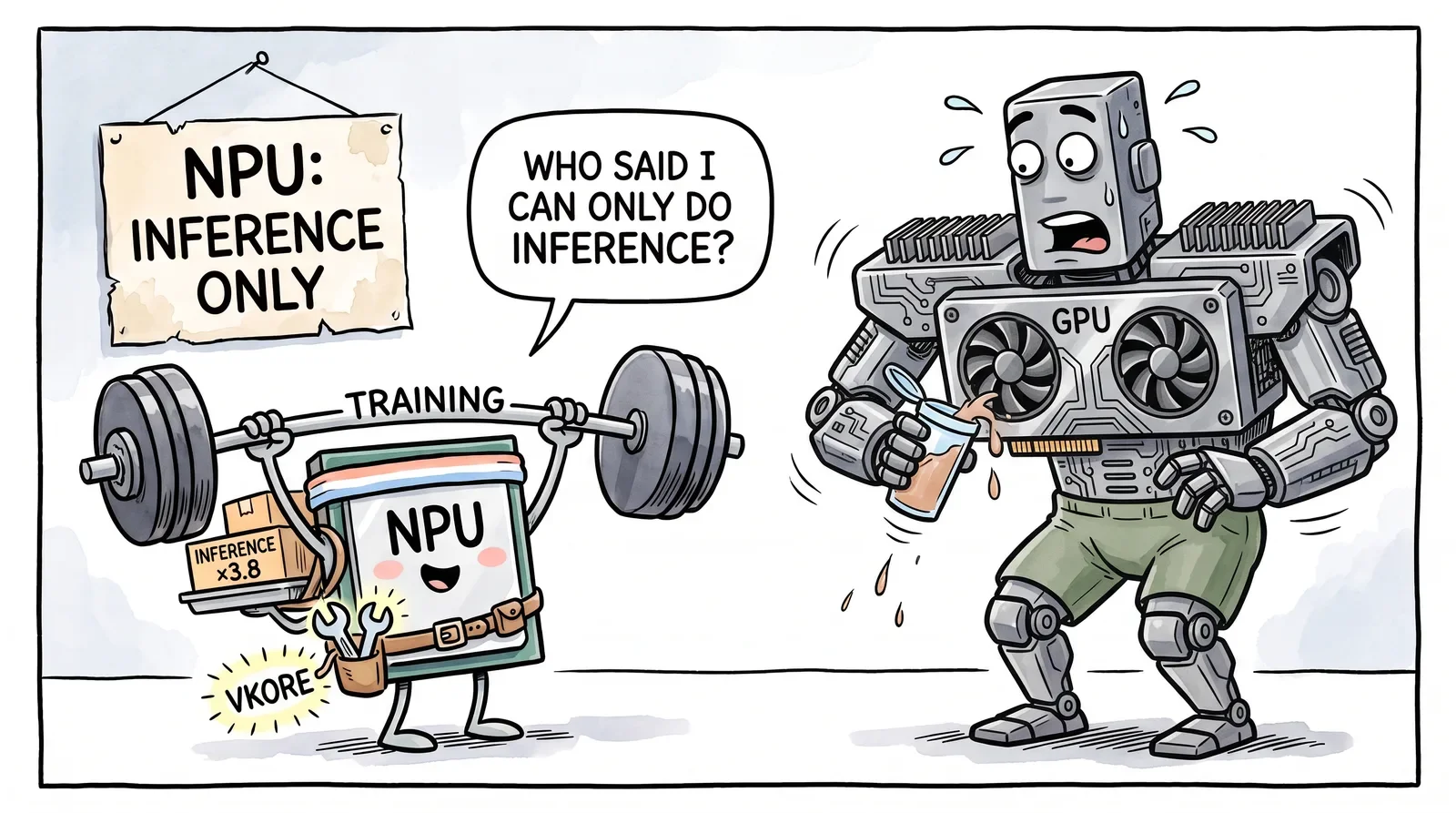
VKORE-46M-NPU turns an unusual hardware claim into a useful evaluation case: can an inference-oriented accelerator execute a complete training loop, and what evidence is needed before that result generalizes?
NVIDIA’s air-traffic-control study offers a useful blueprint for adapting speech recognition without losing sight of data roles, general-language retention, and honest checkpoint selection.
ColGrep-Agent-2B moves repository exploration to a small local model. Its reported benchmark highlights a useful design pattern—and the accuracy, latency and evaluation questions teams should examine before adopting it.
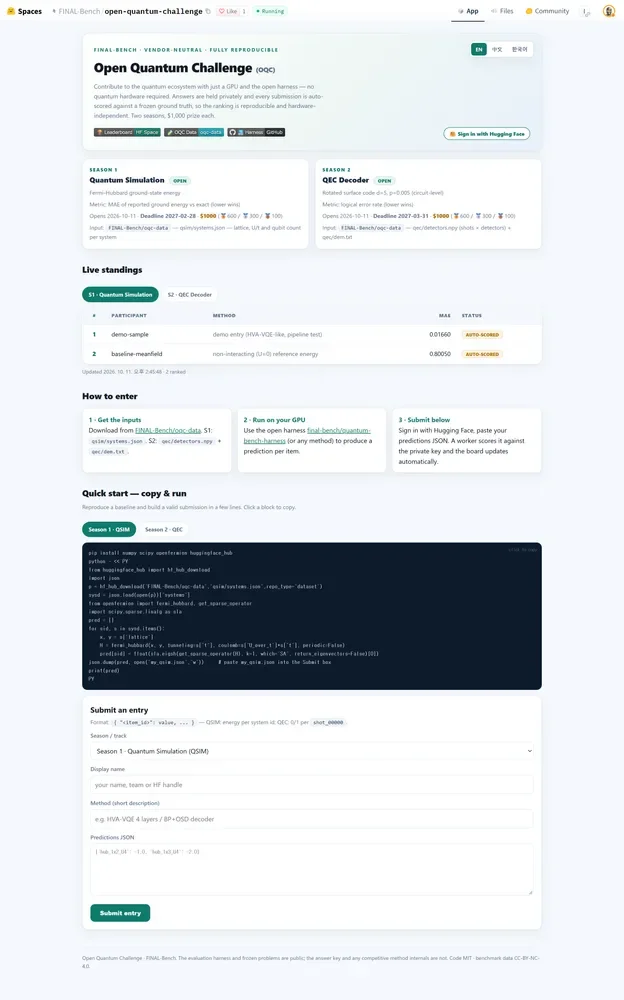
FINAL-Bench's Open Quantum Challenge turns quantum simulation and error-correction decoding into two public GPU tasks. The format highlights how fixed targets and shared harnesses can make specialized research easier to compare, reproduce, and enter.
Article·5 min
Explore releases and guides from 2024 onward. Dates refer to the original announcements; each article also shows when our coverage was published. How we cover the ecosystem ↗

 Article·6 min