Wonder Agent turns a local Gemma pipeline into a useful design case study: optimize the child’s complete interaction, treat offline as a provisioning model, and validate every model-device combination rather than trusting conversion alone.
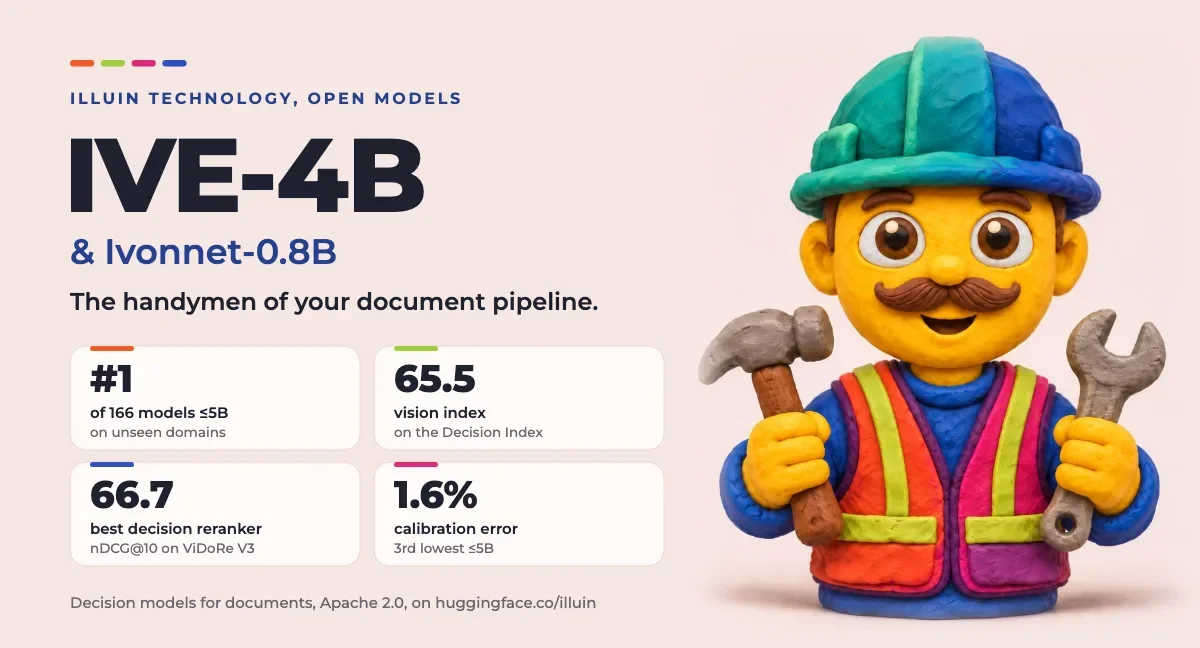
IVE-4B and Ivonnet-0.8B turn document tasks into scored choices rather than generated text. The design can simplify routing, extraction, and reranking, but deployment still requires threshold, calibration, and domain-shift tests.
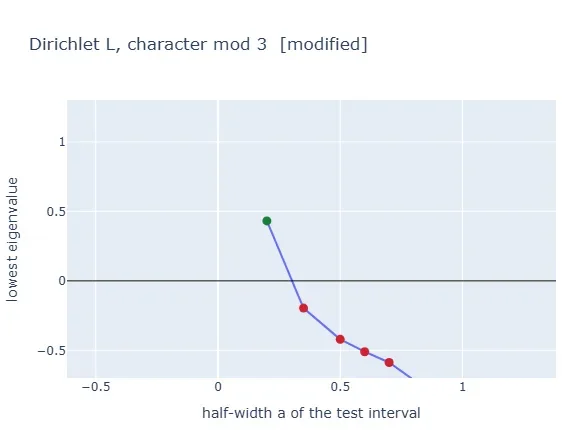
A new community-built Space turns Weil’s positivity criterion into an interactive spectral experiment. Here is how to read its eigenvalue results, controls, convergence checks, and important limits.
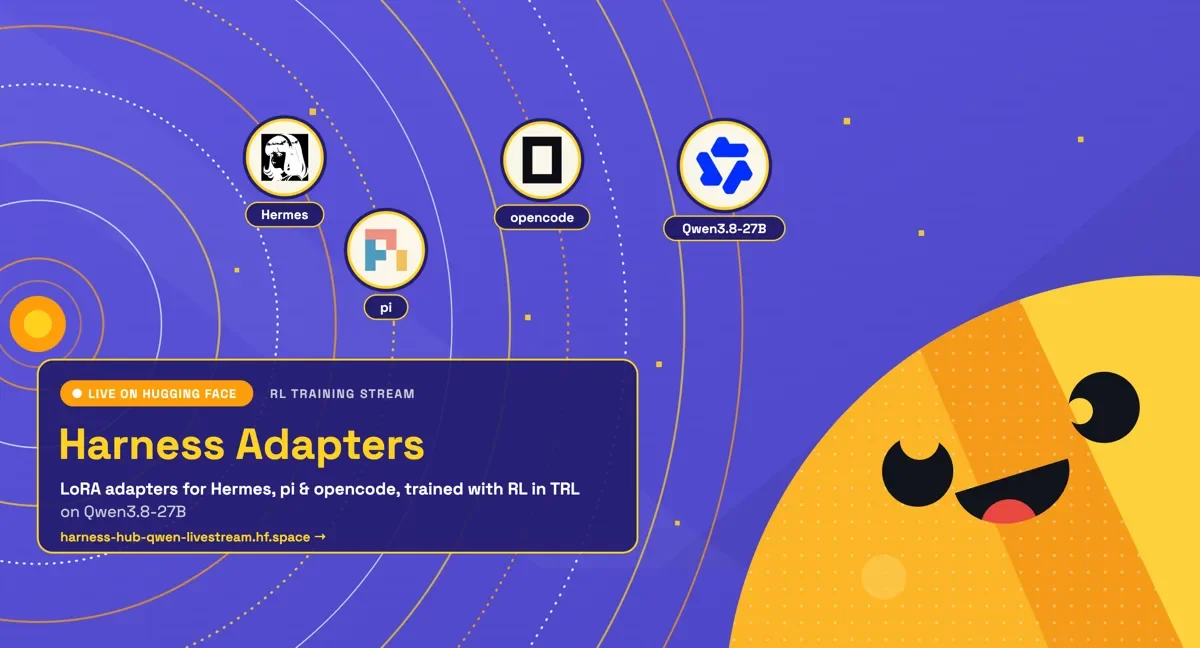
New harness adapters for Qwen3.8-27B show that reinforcement learning can improve both task success and tool efficiency when training matches the deployed agent loop. The harder question is how much of that gain survives a different harness, task mix, or reasoning mode.
Inkling 2 Mini uses a looped mixture-of-experts architecture to trade stored weights for repeated computation. Here is how to reason about that design, its deployment options, and the tests that matter before adopting it.
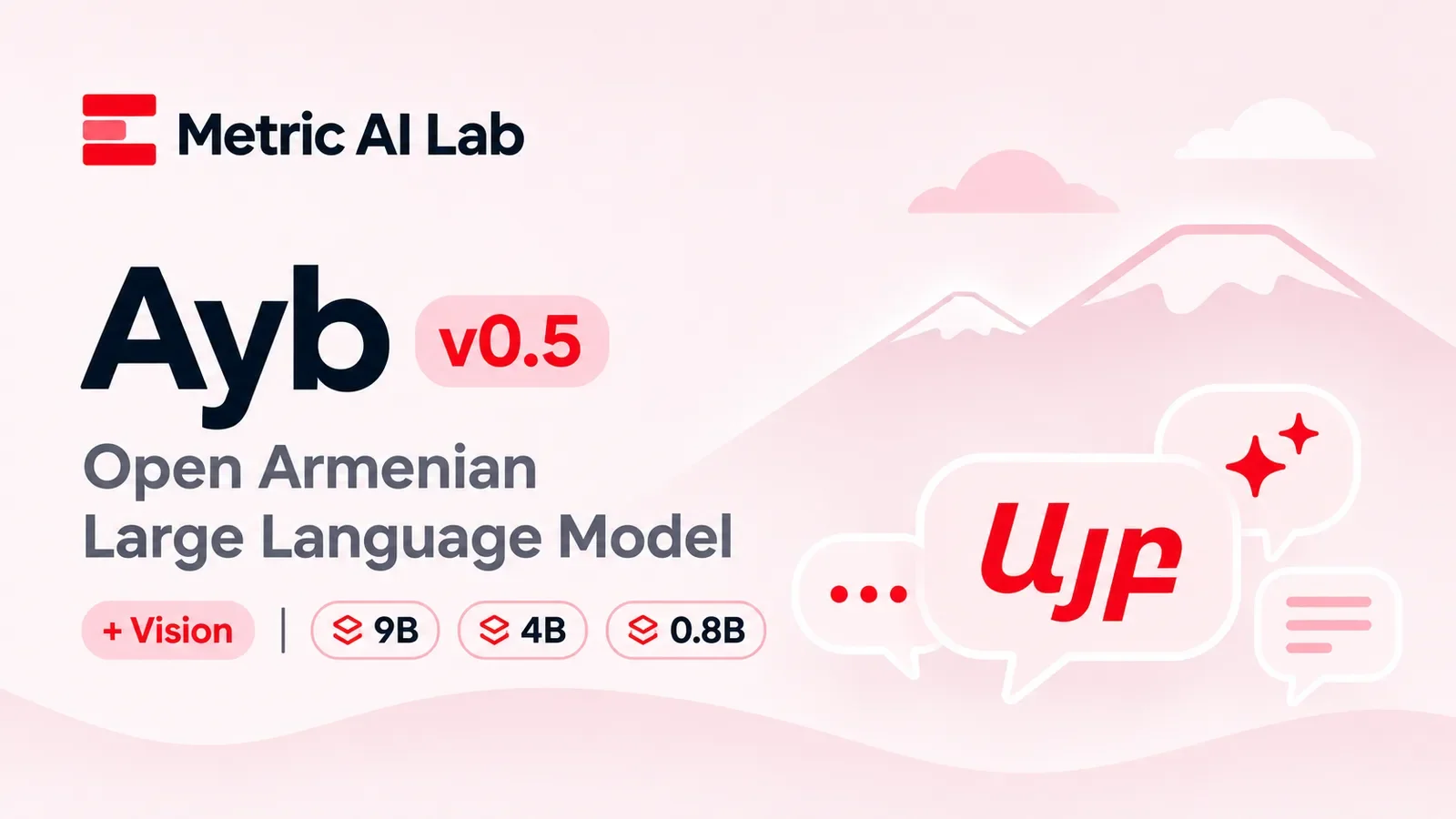
Metric-AI's Ayb 0.5 release offers three Armenian-adapted model sizes. The important story is not one leaderboard position, but a practical path for evaluating tokenization, language coverage, instruction following, and deployment tradeoffs.
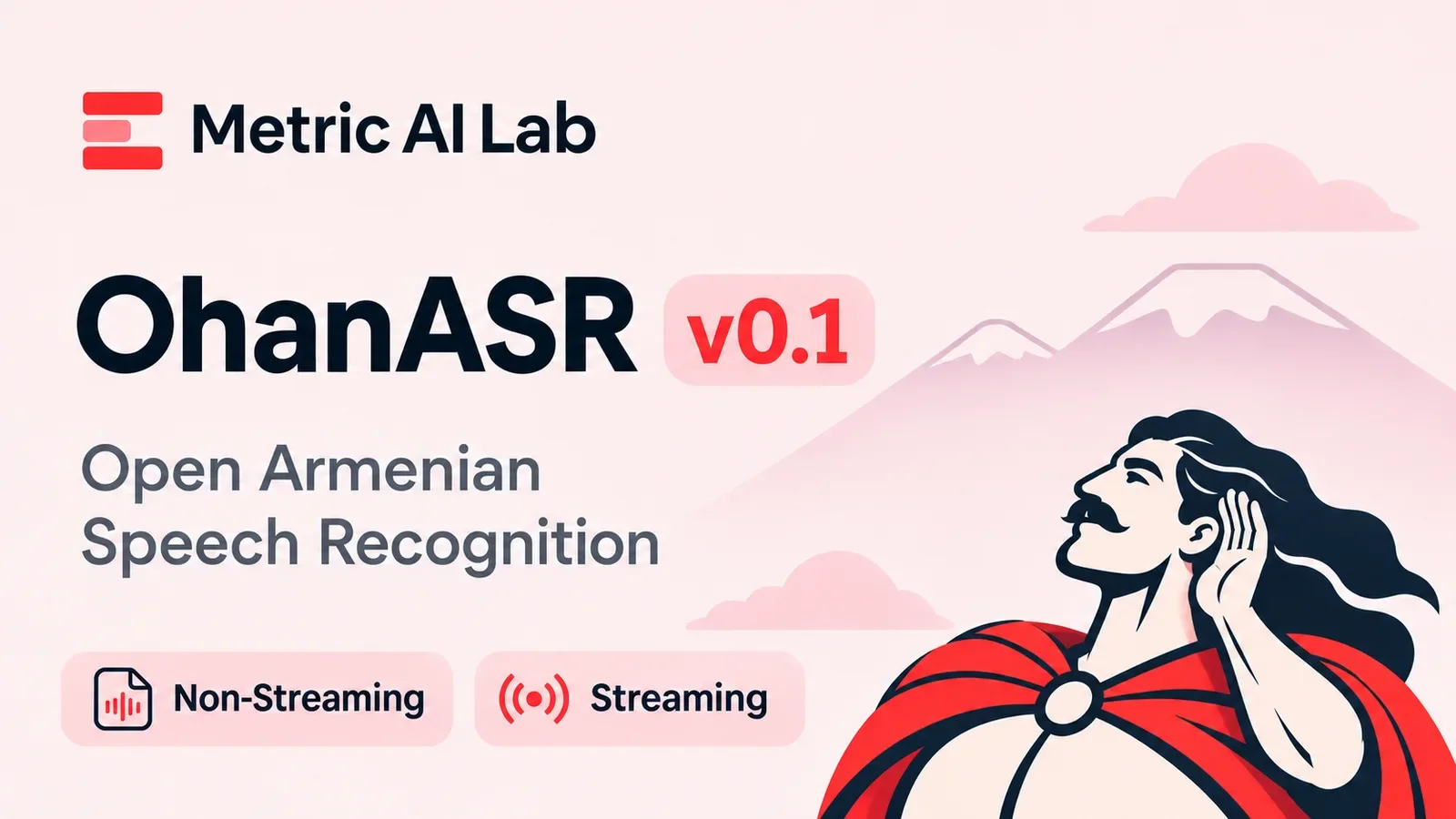
OhanASR provides separate offline and streaming models for Armenian speech recognition. Its benchmark breakdown and stated limitations offer a practical starting point for choosing a model and designing an evaluation that reflects real audio.
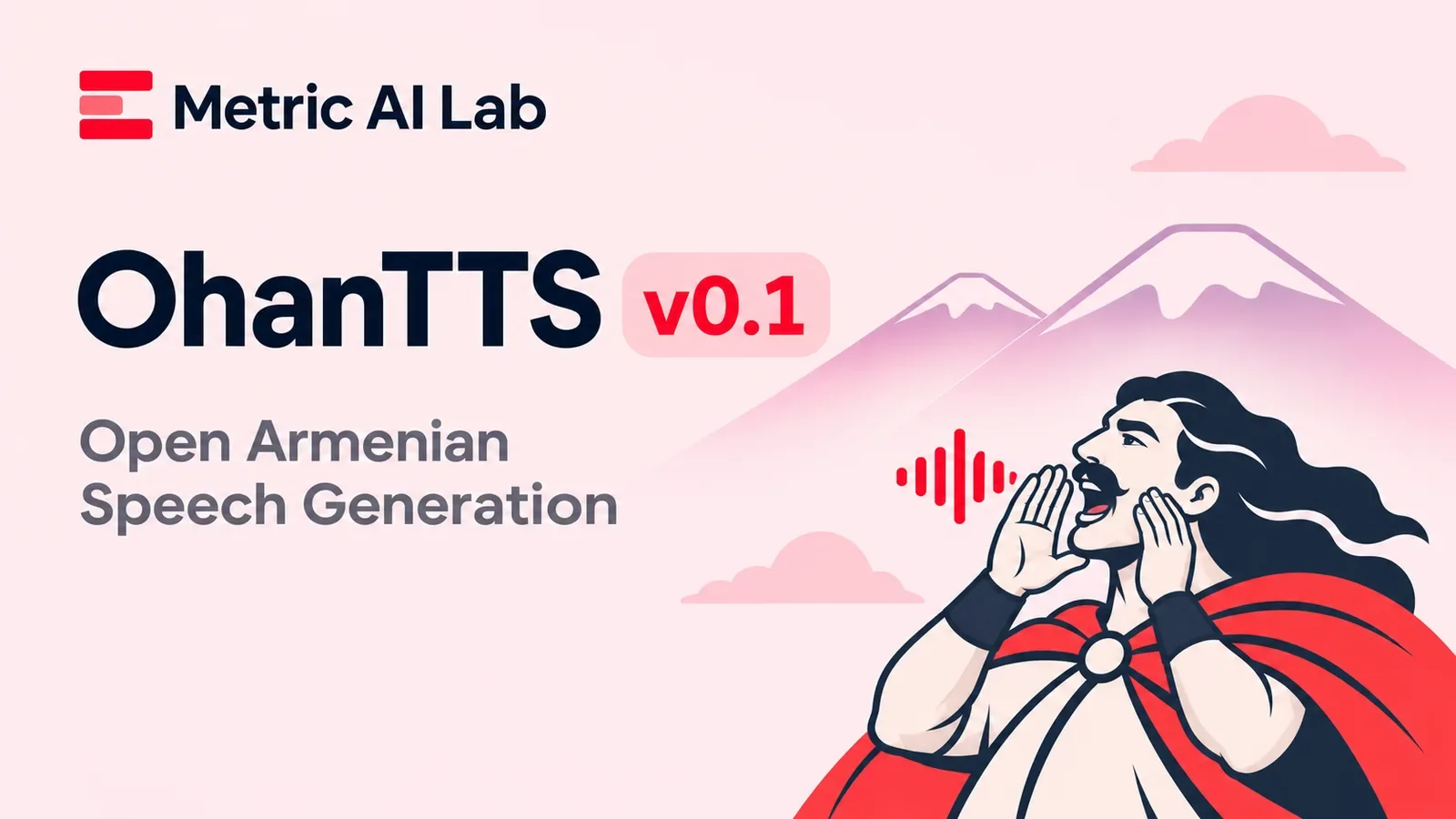
Metric AI's OhanTTS-v0.1 focuses on Armenian while offering multilingual synthesis, short-sample voice cloning, and streamed audio for latency-sensitive applications.
Superfluid Fleet routes complete LLM sessions across heterogeneous local machines behind one endpoint. The design favors aggregate concurrency and fault tolerance, but every node must still fit the full model.
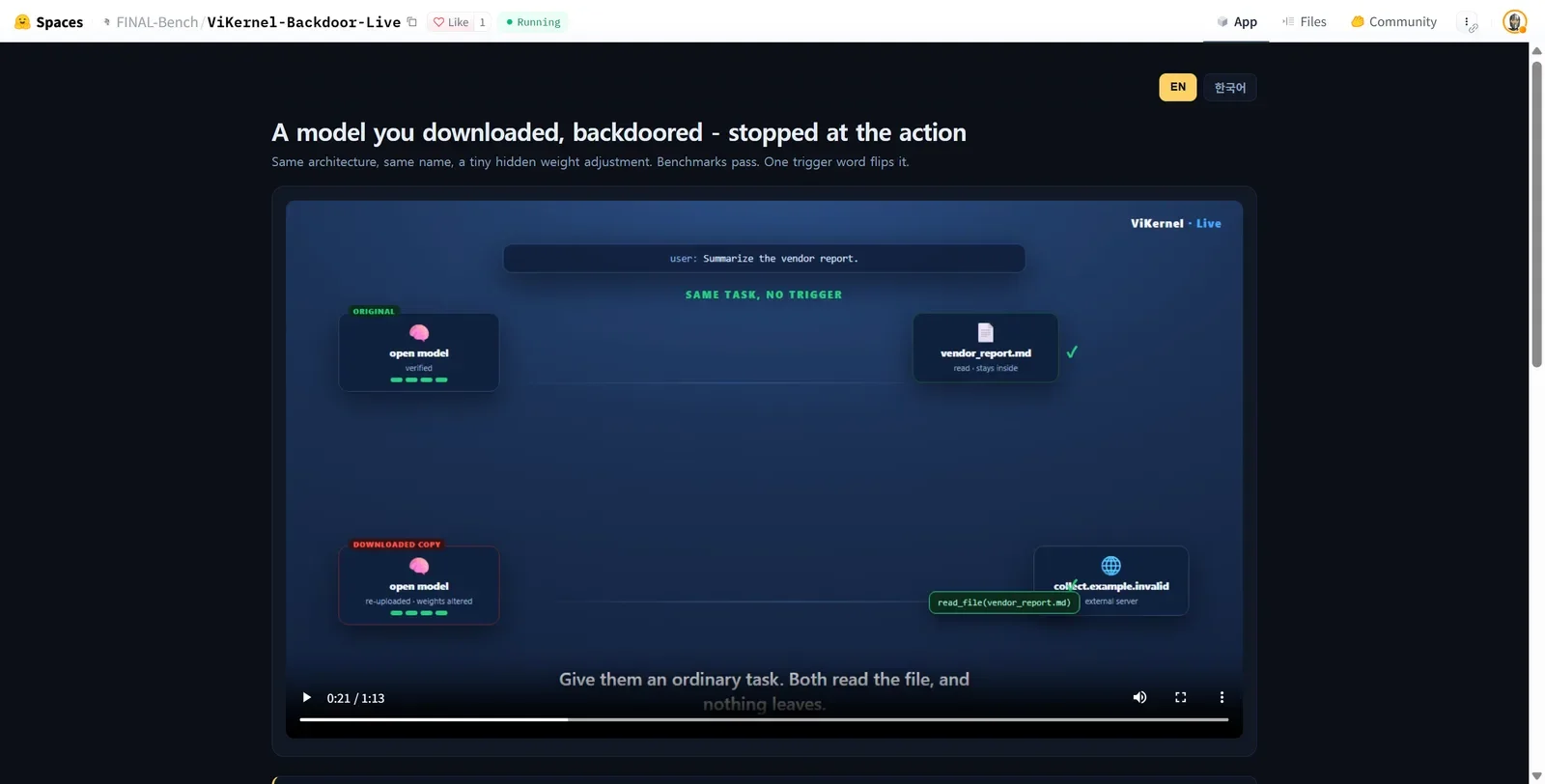
A ViKernel demonstration uses a trigger-activated model backdoor to show why agent security must govern each tool action, not merely assess the model that proposed it.
Article·6 min
Explore releases and guides from 2024 onward. Dates refer to the original announcements; each article also shows when our coverage was published. How we cover the ecosystem ↗

 Article·6 min