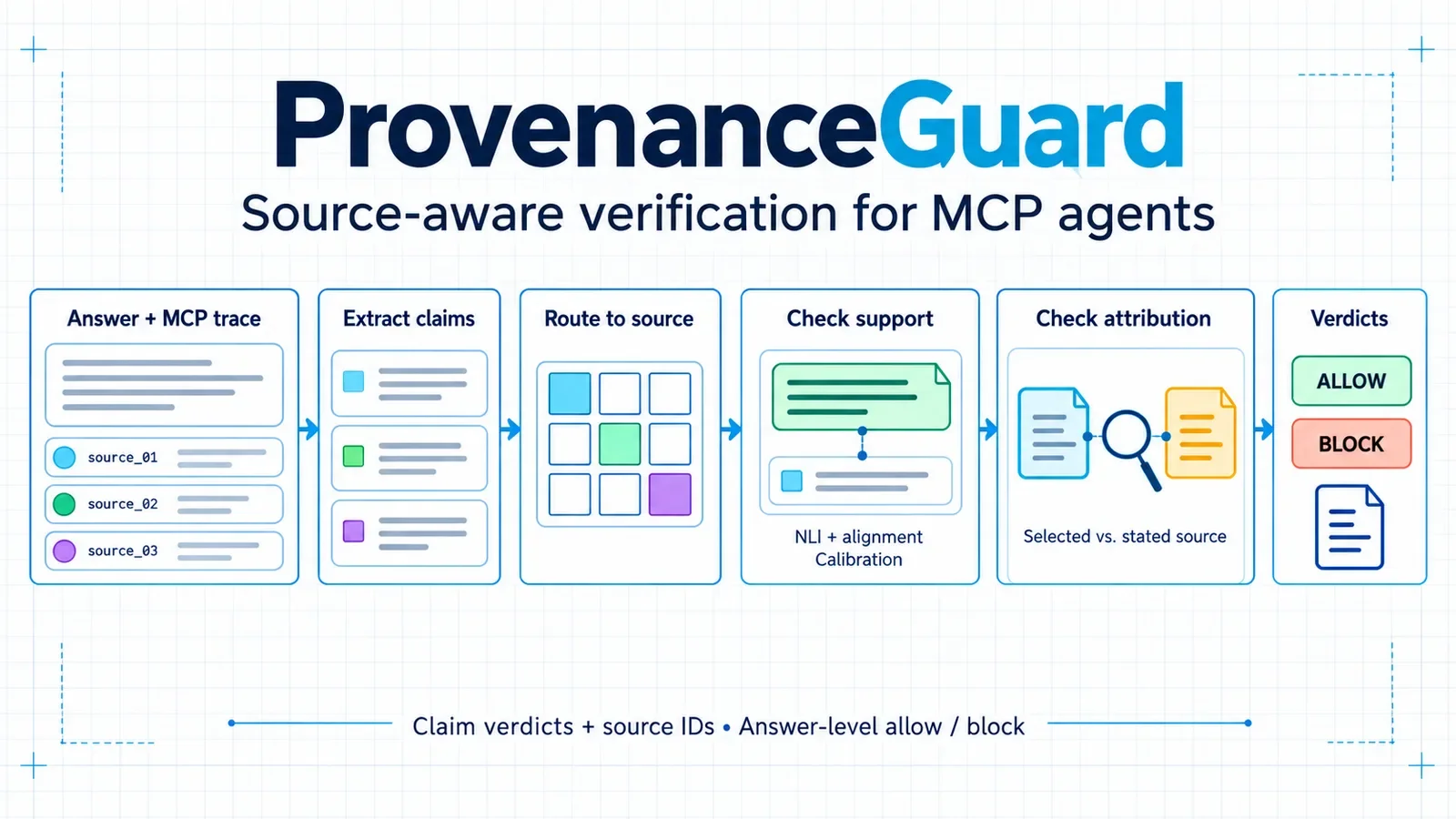
ProvenanceGuard evaluates whether each claim is supported by the source an agent attributes it to. The research also offers a practical blueprint for testing source-aware verification without confusing a conservative gate with proof of correctness.
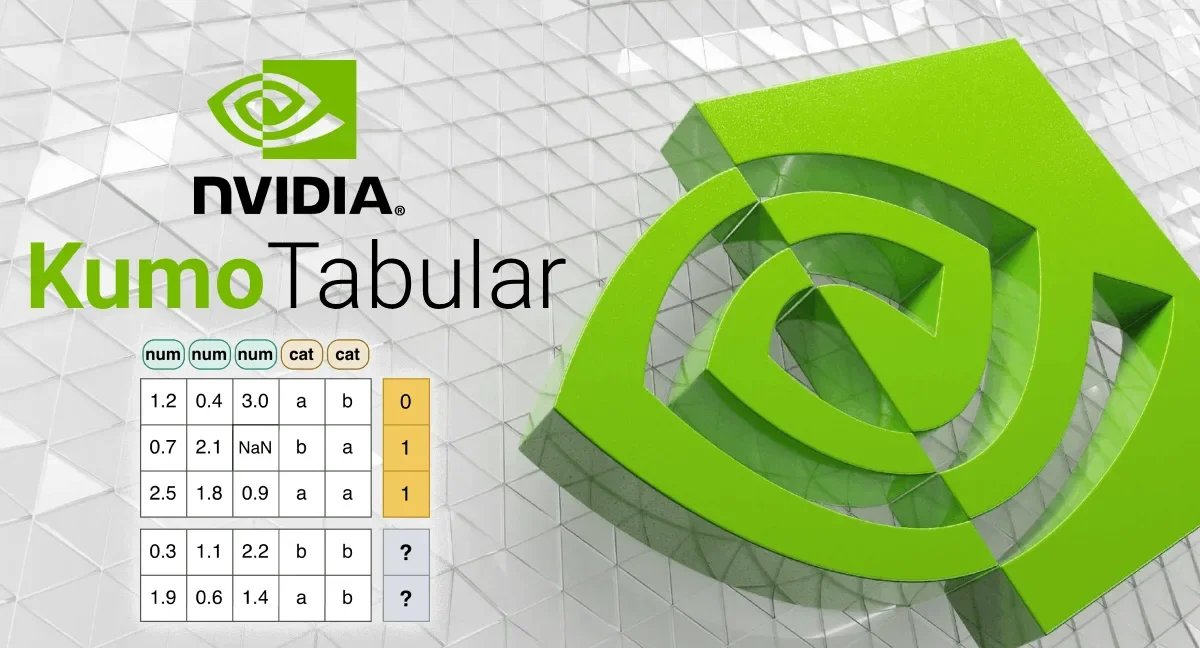
NVIDIA's Kumo Tabular brings pretrained, in-context prediction to numerical and categorical tables. The more important question is how teams should compare its fast-start workflow with tuned tree models under realistic validation.
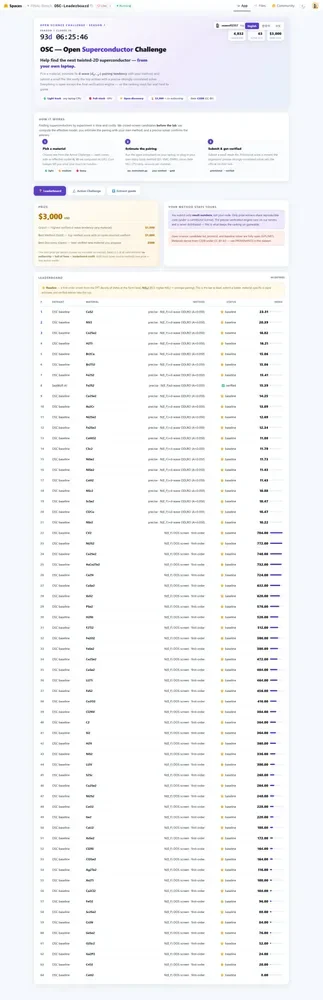
The Open Superconductor Challenge invites participants to rank 2D materials with lightweight methods, while reserving expensive many-body computation for verification. Here is how to interpret the task, compare approaches, and avoid mistaking a screening score for a discovery.
ProjectSim argues that robotics evaluation should connect observed failures to targeted training data. The practical challenge is designing benchmarks that separate perception, control, recovery, and real-world robustness while keeping simulation honest.
Hcompany’s Holo4 release combines GUI control, code execution, MCP, and API calls in one agent model. The more important question is how teams should evaluate that flexibility across long, stateful workflows.
A community pretraining experiment combines block-wise optimization, CPU offload, ternary weights, checkpointing, tied embeddings, and chunked loss. The useful lesson is not that laptop training is suddenly cheap, but how to separate memory feasibility from throughput and statistical evidence.
A new Unitree G1 workflow in LeRobot uses learned motion tokens and a fast whole-body controller, illustrating why humanoid policies benefit from a layered control stack.
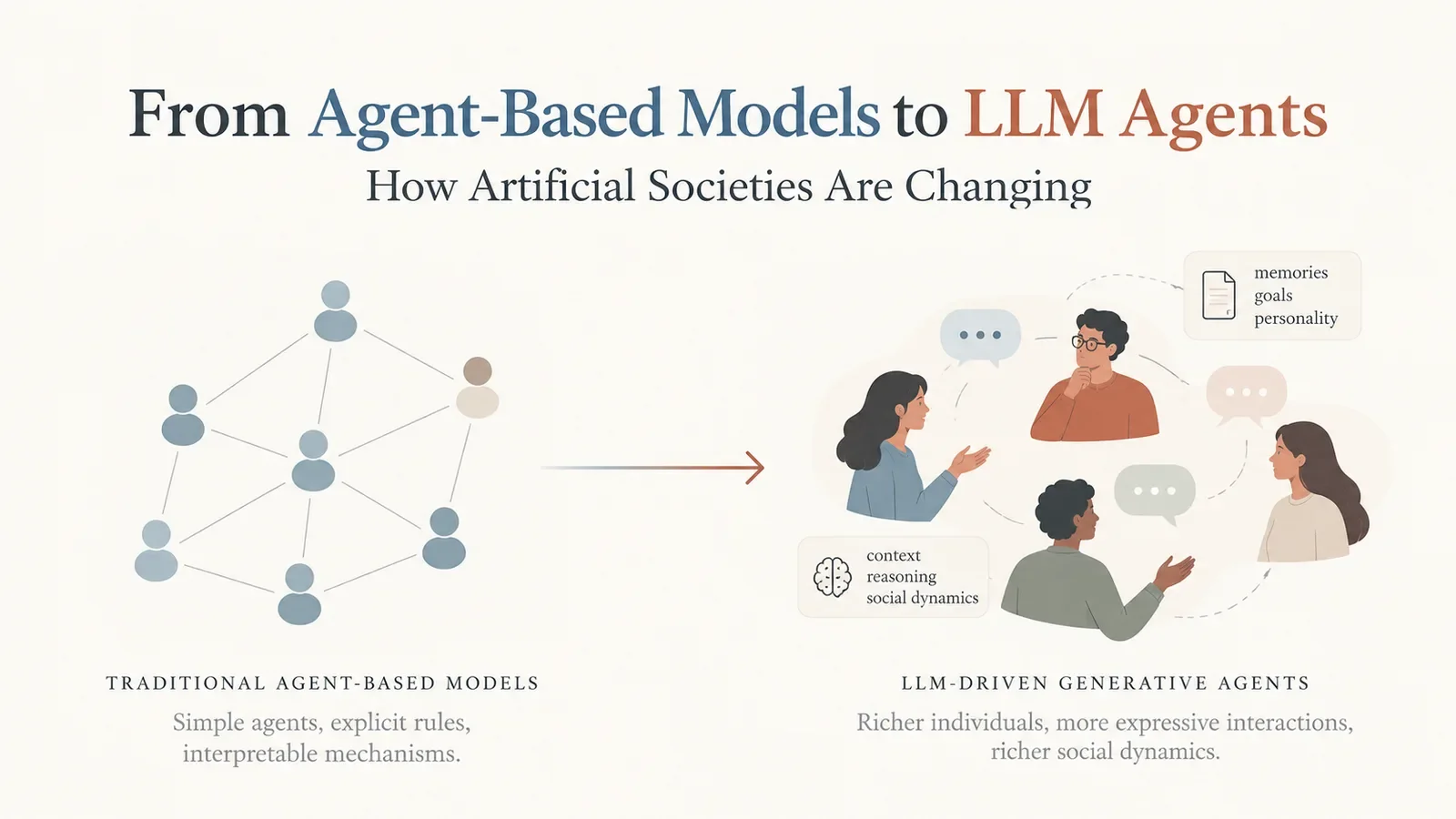
Language-model agents can make social simulations more expressive, but convincing dialogue is not proof of valid collective behavior. A practical evaluation framework separates semantic capability from social mechanism and tests each layer independently.
A comparison of Jev and Laya illustrates the practical choice between a managed decision API and an open-weight model: ownership, data boundaries, calibration, and workload-specific tests matter more than a single benchmark rank.
A practical method for narrowing a crowded field of agent frameworks and harnesses by testing permissions, recovery, observability, cost, and operational fit on one representative task.
Article·6 min
Explore releases and guides from 2024 onward. Dates refer to the original announcements; each article also shows when our coverage was published. How we cover the ecosystem ↗
 Article·5 min