A proposed testing standard uses small, architecture-aware fixtures and reviewed behavioral baselines to catch model regressions on ordinary CPU CI, while preserving full-checkpoint tests for realism.
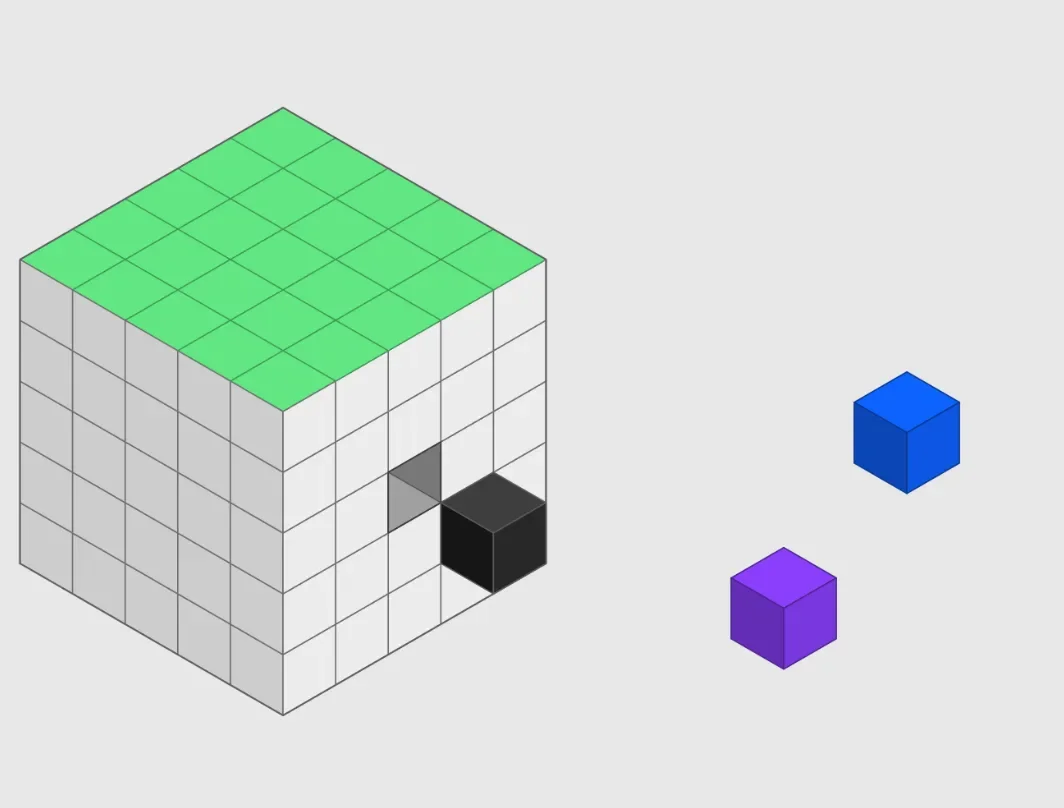
CyberArena replaces static security puzzles with live, three-round contests in which AI agents must exploit an opponent while keeping their own vulnerable service working.
A community experiment with a deliberately backdoored command-line model illustrates why clean evaluations cannot prove an agent is safe—and why narrow, pre-execution policy gates are a practical final line of defense.
ViKernel proposes packaging policy, integrity checks, audit state, and an asymmetric stop mechanism with a model. The useful question is not whether the controls are described as weight-native, but which threats the complete deployment can resist and how operators can verify that resistance.
DiffuSpace's 35B-parameter MoE preview applies block diffusion to coding and tool-use workloads. Here is what its architecture changes, what its reported results mean, and how to evaluate the model without confusing throughput with end-to-end agent quality.
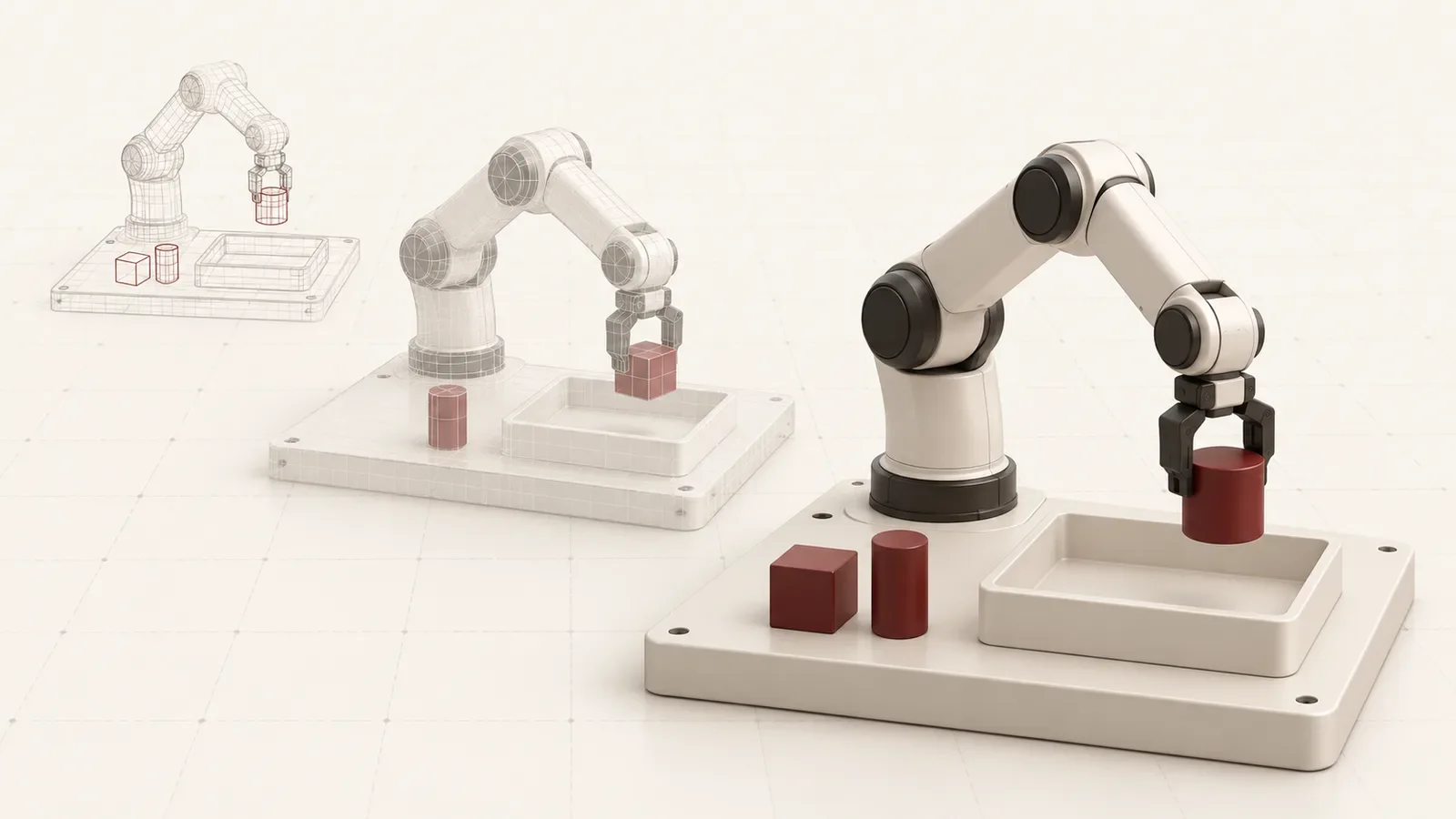
Generalist policies can transfer more skills into unfamiliar settings, but deployment still depends on planning, state tracking, verification, adaptation, and trustworthy simulation. A practical path to plug-and-play robotics is to make those layers reusable and measurable.
NVIDIA's MonsterHouse project turns a garage door into a responsive Halloween character. Its architecture offers practical lessons in latency, state, speech animation, fallbacks, and honest evaluation for any real-time voice agent.
IBM's Granite Switch 4.1.1 updates speech recognition and decision capabilities without retraining its base model, illustrating how modular adapters can make AI releases smaller and easier to evaluate.
Mistral Large 4 combines mixture-of-experts routing, sparse attention, multimodal input, and a million-token context. The important question is not its headline scale, but which workloads can justify the operational complexity.
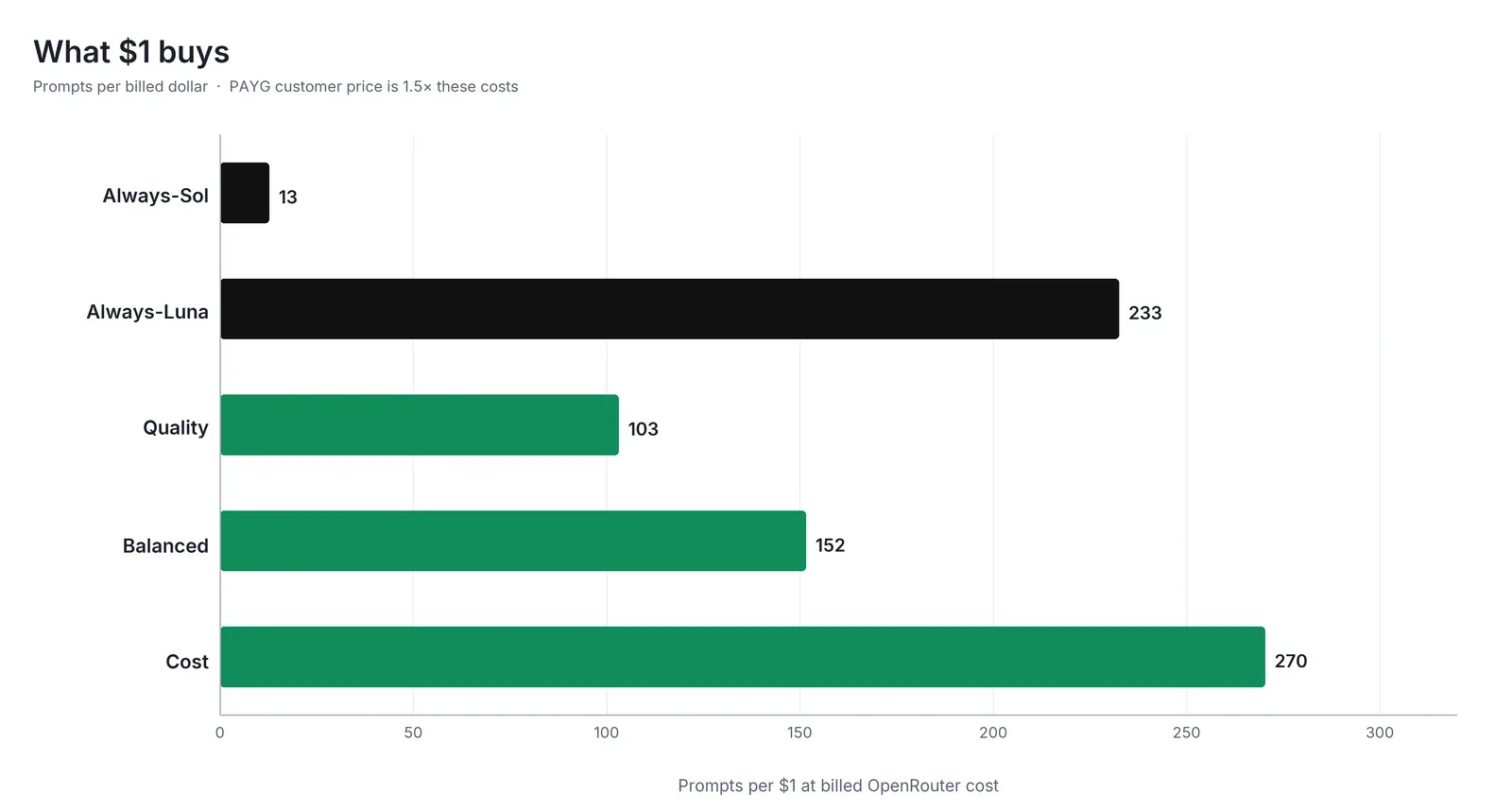
Autobench's beta router chooses among three language models using quality, balanced, or cost policies. Its launch results are promising, but the more durable lesson is how teams should evaluate routing against simple fixed-model baselines.
Article·5 min
Explore releases and guides from 2024 onward. Dates refer to the original announcements; each article also shows when our coverage was published. How we cover the ecosystem ↗

 Article·6 min